












Today, food and travel go hand in hand—and some of the world’s most visually stunning cities also host kitchens that shape global cuisine. This three-part series covers ten destinations in all, summing up not just stunning landscapes and rich cultural heritage, but also restaurants that have achieved the pinnacle of culinary recognition.
We begin our journey in three cities where ancient traditions and contemporary innovation meet at the table.
Tokyo
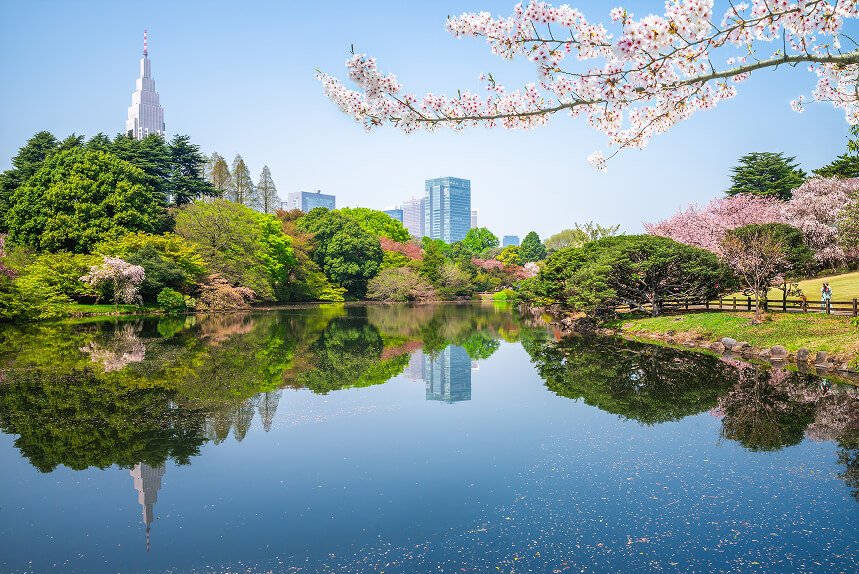
Tokyo’s neon-lit districts, such as Shibuya and Shinjuku, stand as vibrant beacons beneath the shadow of Mount Fuji, while ancient temples offer stillness and reflection. Tokyo has long balanced a culinary tradition with cutting-edge experimentation.
Expect ingredients at their peak freshness and presentations that reflect the current season. Even in everyday dining, residents of Tokyo maintain this seasonal awareness. Spring brings sakura-flavored sweets and bamboo shoots, while summer features cooling dishes like cold soba and kakigōri (shaved ice). Autumn celebrates matsutake mushrooms and persimmons, and winter’s warming foods, such as nabe (hot pot), become central.
Kanda
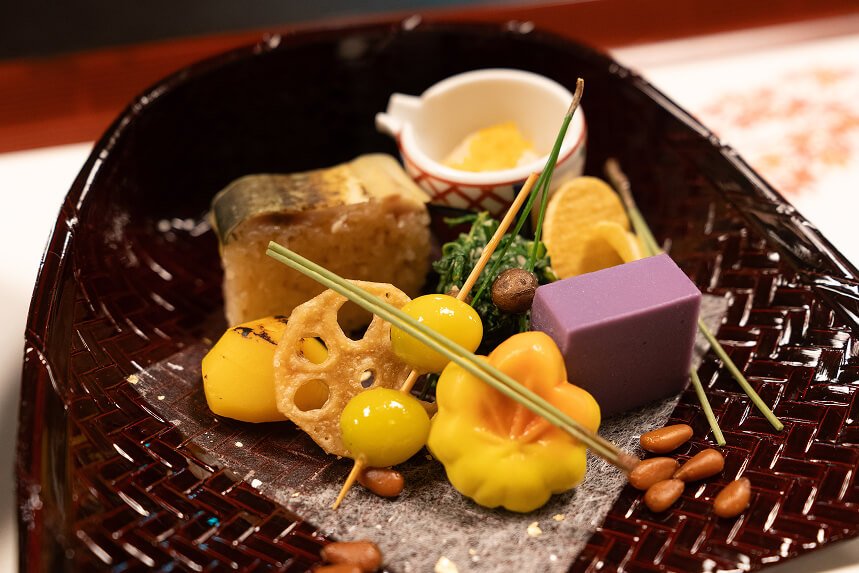
Kanda, with its three Michelin stars, offers the quintessential kaiseki experience in Toranomon Hills. Fish from Naruto in the Tokushima prefecture is a standout at Kanda. The prized sea bream (madai) is considered the king of fish, known for its delicate flavor and firm texture. Kanda also serves up exceptional Awa beef, and many dishes include rice. But this is not ordinary rice. Its delicate sweetness, fluffy texture, and snow white appearance might tempt a second helping. Part of the secret? The rice is cooked in an earthenware pot.
Other dishes include crispy fried abalone, which offers oceanic sweetness with a hint of briny, mineral-rich depth. The golden, crunchy coating adds nutty, toasted notes, and also serves to trap the abalone’s natural juices, creating bursts of intense flavor.
The chef’s motto? “Subtle flavor is true flavor.” The restaurant features a minimalist counter with eight seats as well as private rooms.
Nihonryori RyuGin
Chef Seiji Yamamoto’s restaurant has earned three Michelin stars for its revolutionary approach to kaiseki dining. It showcases a blend of traditional techniques with contemporary presentation. The restaurant highlights the natural flavors of seasonal ingredients through precise technique and artistic presentation. Each dish tells a story of Japanese culinary heritage while pushing boundaries with modern interpretations.
Hamo eel soup is Chef Yamamoto’s signature dish, featuring daggertooth pike conger. The chef has used CT scans and X-rays to map the bone structure of the fish, resulting in optimal cuts that release superb flavor.
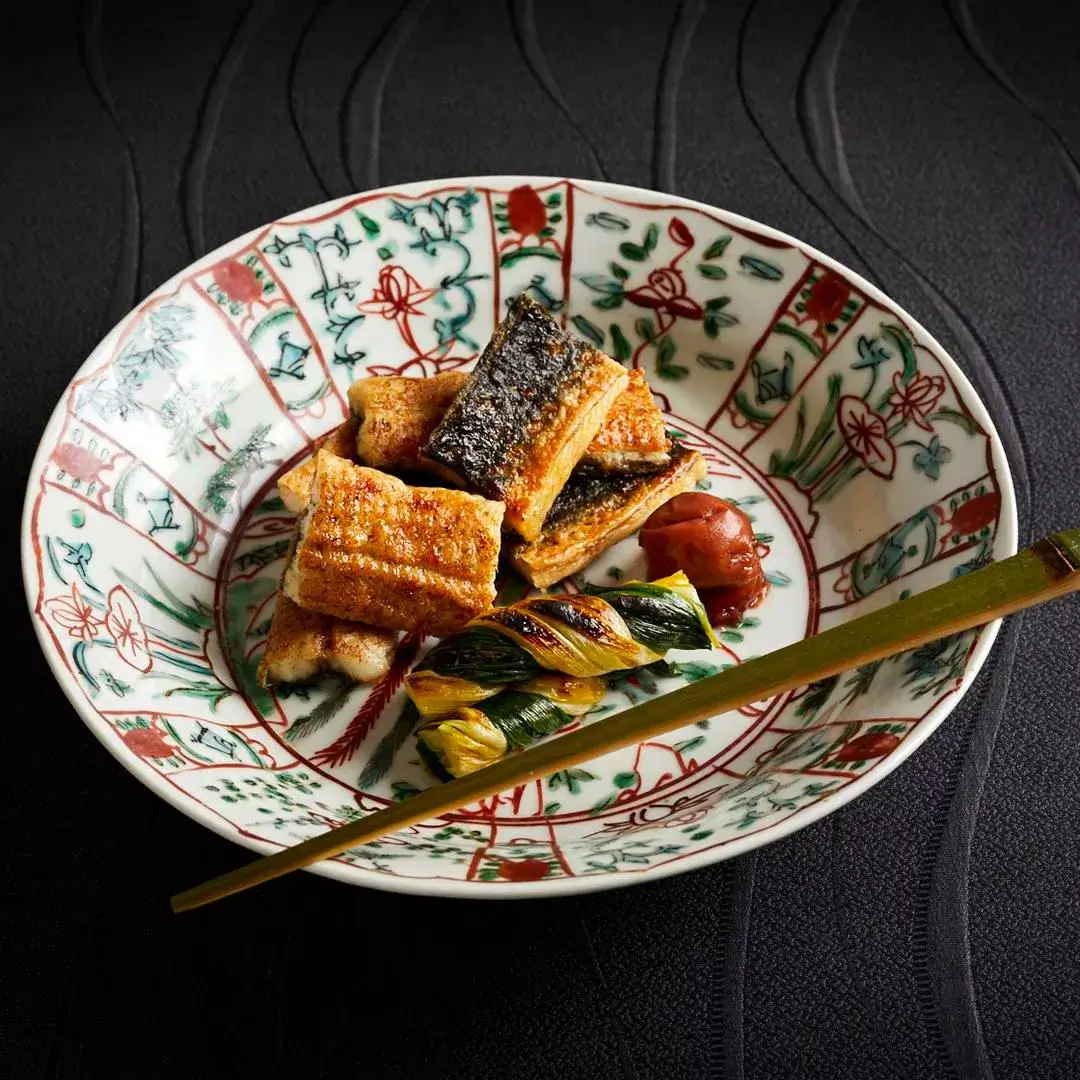
Yamamoto employs a knife technique called honegiri, which takes years to master. “From the moment a chef picks up his knife, he is mindful of the life he has taken,” Yamamoto has said. “Cooking is an act of resurrection.”
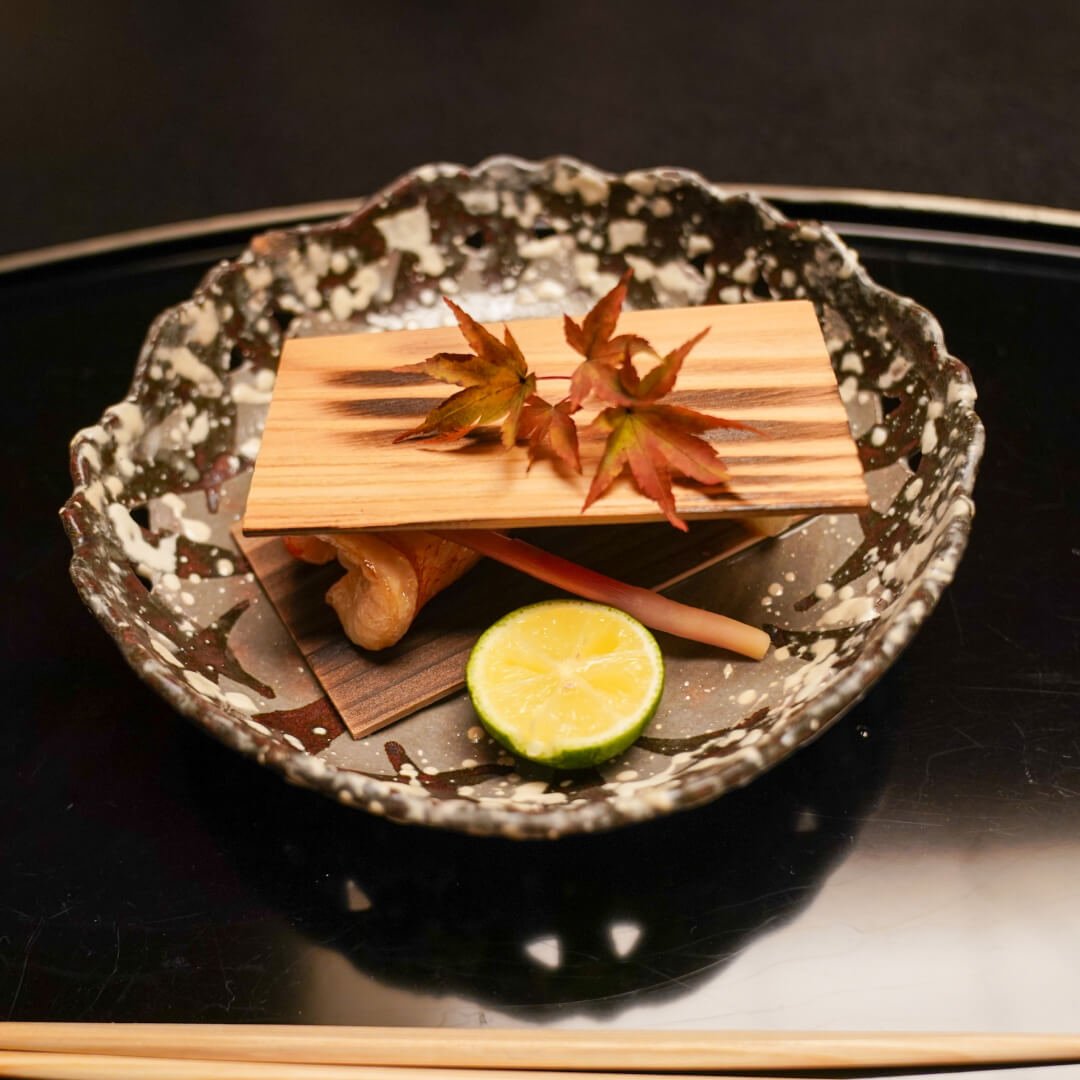
Narisawa
Chef Yoshihiro Narisawa’s eponymous restaurant has revolutionized the concept of “innovative satoyama cuisine,” earning two Michelin stars and consistent recognition as one of Asia’s finest establishments. The restaurant incorporates foraged ingredients and novel cooking techniques. Narisawa’s philosophy? Dishes that reflect the changing seasons and Japan’s natural environment.
The restaurant is located on the ground floor of a generic office building. Inside, rich leather and woods add comforting notes and a sense of tranquility.
The experience begins theatrically with welcome drinks served in traditional urushi lacquer cups atop handmade paper—a visual homage to the Japanese flag. You might choose between an exceptionally fine Kyoto green tea or an intensely concentrated sake from Ishikawa prefecture, both setting the stage for what’s to come.
The meal’s centerpiece is Narisawa’s famous “Satoyama Scenery”—an edible landscape that transforms your plate into a forest floor. Layers of ingredients build the illusion: fermented soy yogurt forms the foundation, while okara and green tea powder create the textured surface, producing tastes that range from woodsy and plant-like to refreshingly bitter.
Paris
In Paris, even a casual stroll can lead you past centuries-old cafés, where the clink of cutlery and savory dishes tell the city’s culinary history better than any tour guide. Paris’ architectural grandeur, from the Eiffel Tower to the Louvre, provides a fitting backdrop for a dining scene that continues to set global standards for fine cuisine and hospitality.
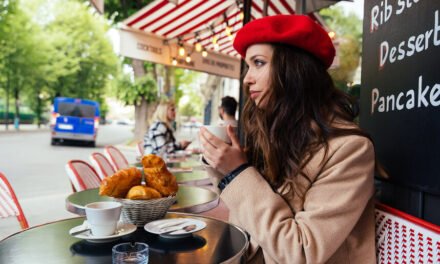
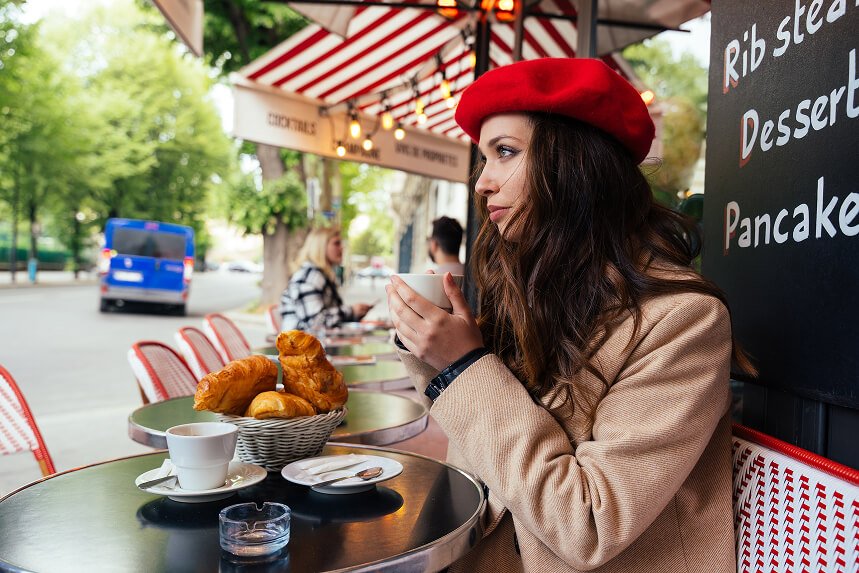
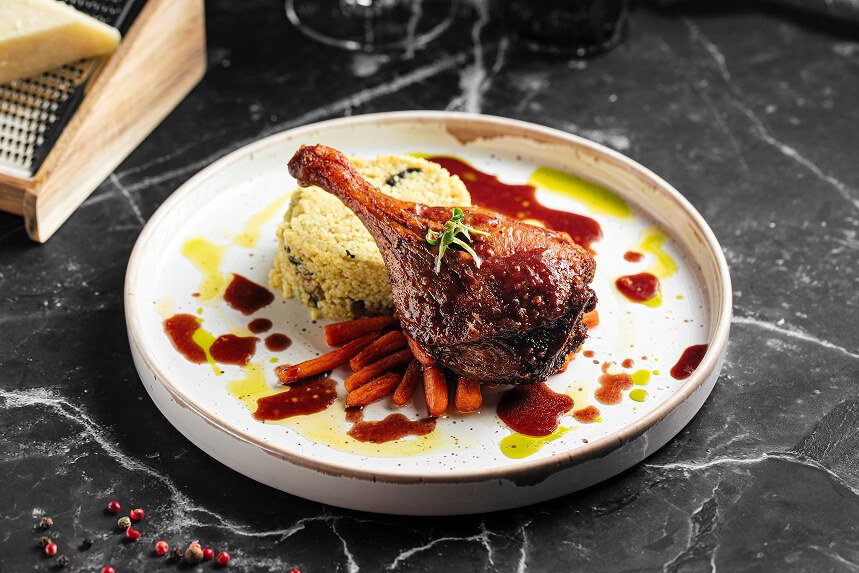
Grand brasseries with their polished zinc bars, mirrored walls, and burgundy banquettes echo the city’s Belle Époque extravagance. These establishments serve classics like coq au vin and duck confit with the same reliability that the Louvre anchors the Right Bank. And cafe culture with wicker chairs facing outward for people-watching? It’s nothing short of urban theater.
Le Cinq
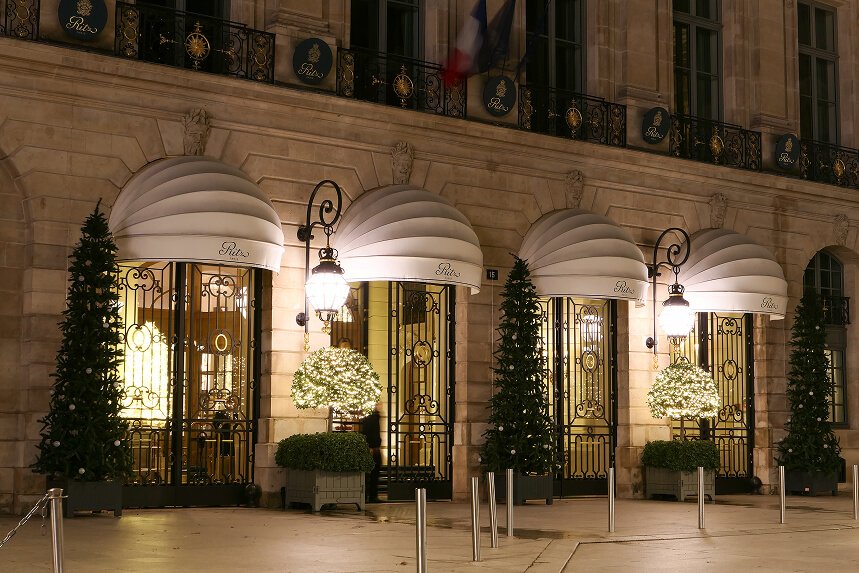
Le Cinq, with its three Michelin stars, is located within the Four Seasons Hotel George V. Chef Christian Le Squer creates sophisticated French cuisine that honors traditional techniques while embracing modern takes. The Michelin Guide terms his cuisine as “timeless,” and lauds “his virtuoso technique and phenomenal delicacy, illustrated by a foaming vin jaune-flavored butter sauce served with lobster or the delicate cream of cauliflower that flanks sea urchin roe.”
The seafood selection includes the chef’s signature line-caught sea bass with buttermilk, which lends a tangy acidity. The dish is served with caviar, providing bursts of briny intensity––the interplay creates layers of ocean flavors, all balanced by the buttermilk’s creamy tartness. Blue lobster medallions are available with grilled asparagus and condiments, while meunière-style turbot is paired with watercress and Japanese pear.
The meat selection spans from comfort to luxury. Spaghetti gratin with ham, mushrooms, and black truffles elevates familiar flavors, while Wagyu beef from Japan comes with vegetable broth and mushroom tart.
The restaurant’s opulent décor, featuring crystal chandeliers and ornate cream paneling, provides an atmosphere of refined luxury.
Jean Imbert au Plaza Athénée
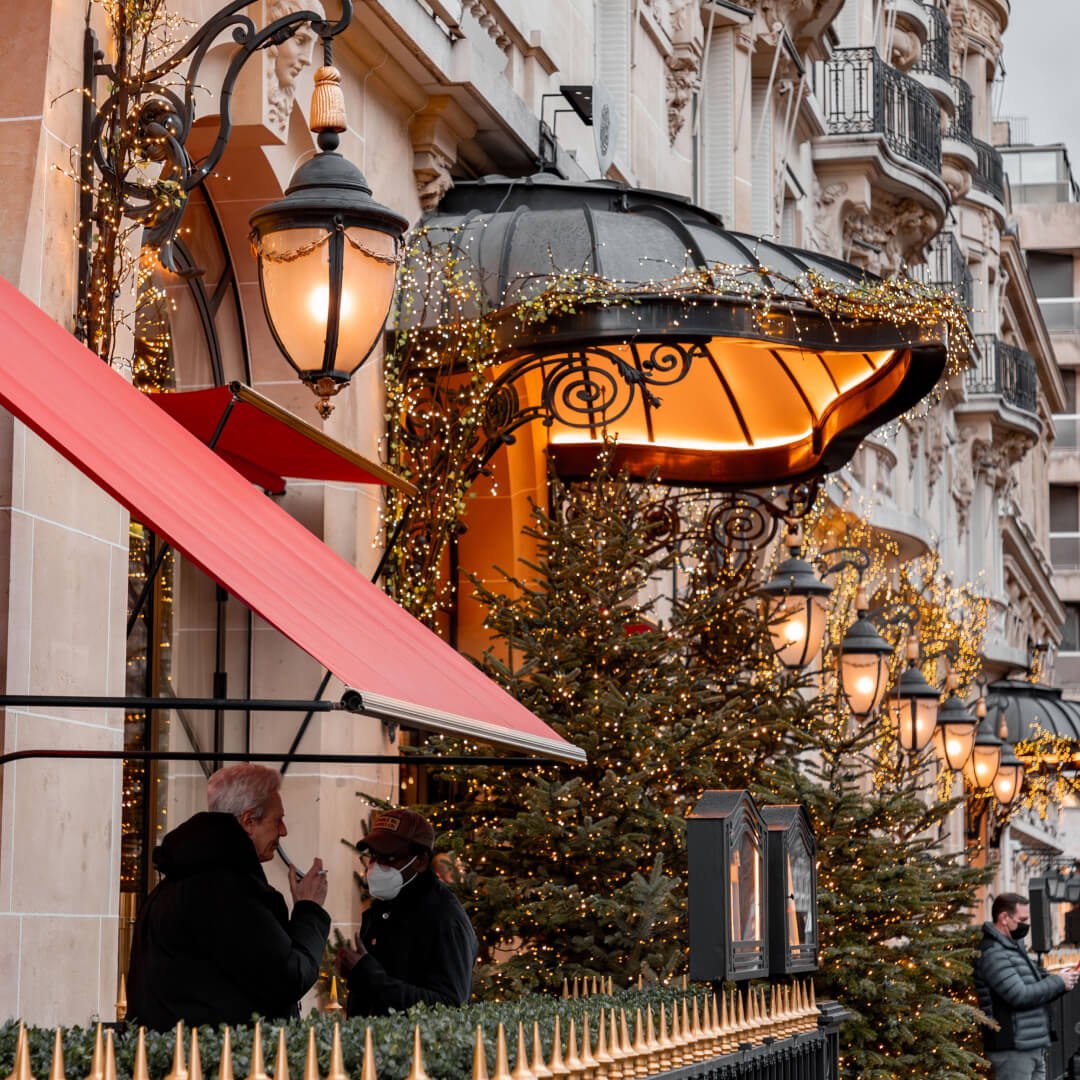
Located in the prestigious Plaza Athénée Hotel, this restaurant features Chef Jean Imbert’s modern interpretation of French cuisine. The establishment combines classical French culinary techniques with contemporary presentation. The chef “gleefully, almost mischievously, (throws) a new light on France’s culinary heritage,” writes the Michelin Guide.
First course options include La Tarte Tomate et Livèche, Sorbet Pistache. This tomato tart with lovage and pistachio sorbet represents the chef’s playful approach to seasonal ingredients. The tart features ripe tomatoes in a delicate pastry, with lovage (a celery-like herb) adding aromatic complexity. The pistachio sorbet provides an unexpected cool, nutty counterpoint that cleanses the palate while adding textural contrast.
Sea bass paired with green beans in a Chambertin wine sauce demonstrates classic French technique. The fish is delicate and flaky, while the green beans provide a crisp texture. The Chambertin sauce, made from the renowned Burgundy wine, adds depth and richness, with earthy, complex wine notes complementing the fish’s subtle flavor.
L’Ambroisie
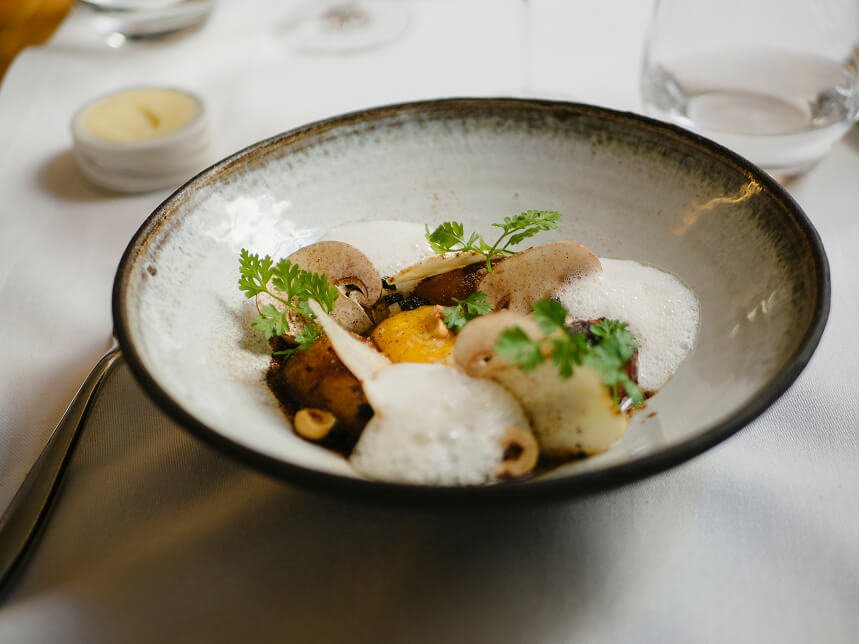
L’Ambroisie, with its three Michelin stars, is situated on the prestigious Place des Vosges.
Appetizers include a crispy pastry shell filled with langoustines and sesame seeds, a mastery of texture contrasts. The sweet, delicate langoustines are enhanced by the nutty crunch of sesame, while the curry sauce adds exotic warmth and spice.
Among chef Bernard Pacaud’s favorites is a lobster navarin with spring vegetables, transforming a rustic lamb stew into a seafood standout. The sweet, firm lobster is enhanced by tender spring vegetables done in a light, aromatic broth. A roasted turbot prepared grenobloise-style (with brown butter, capers, and lemon) is served alongside green asparagus. The turbot’s firm, meaty texture is enhanced by the nutty brown butter and briny capers, creating classic French flavors.
L’Ambroisie’s opulent decor features wall tapestries, classic black and white marble floors, and gilded mirrors and paneling.
Istanbul
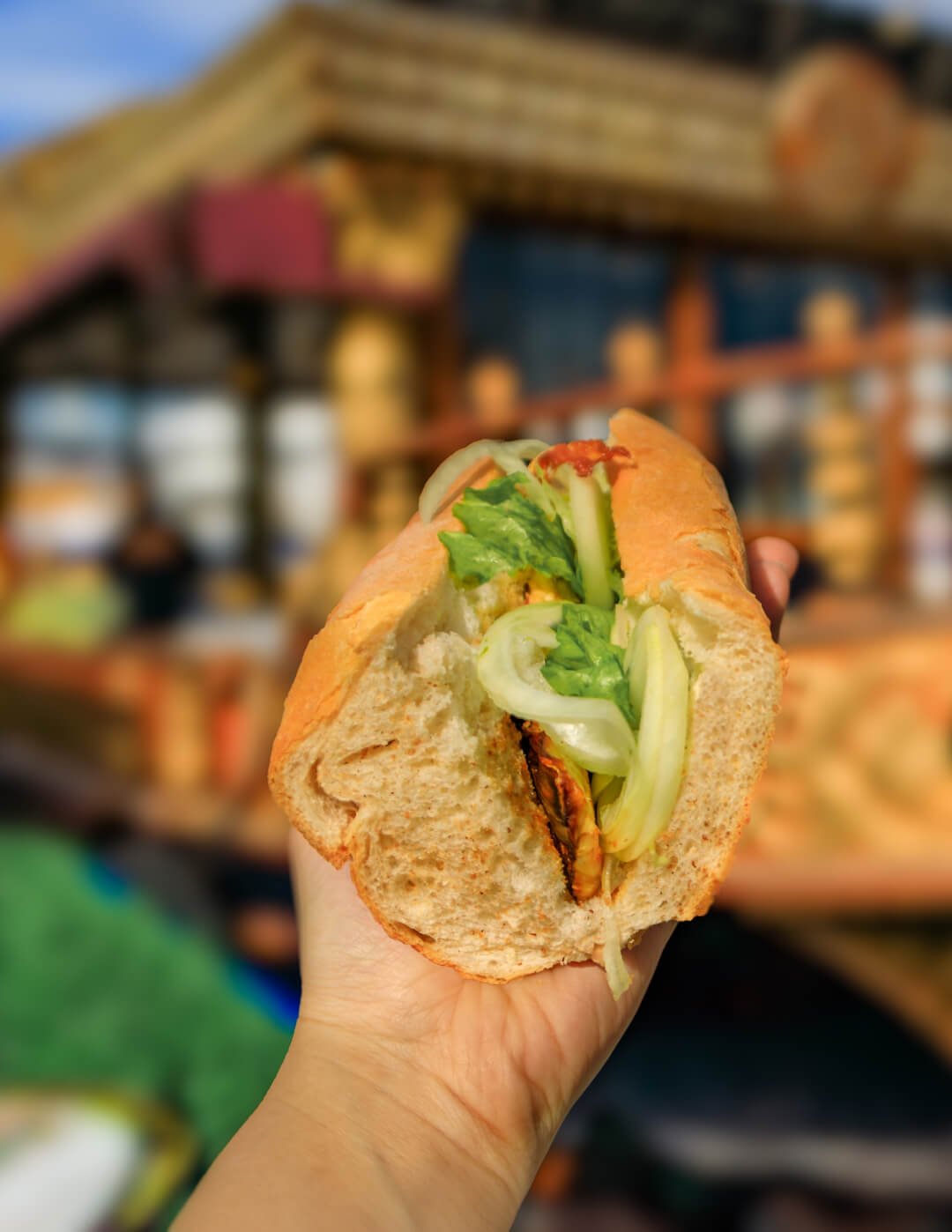
Straddling two continents, Istanbul captivates visitors with its unique blend of Byzantine and Ottoman architecture, bustling bazaars, and the always busy Bosphorus waterway. In Istanbul, centuries-old recipes are reimagined by a new generation of chefs—blending Ottoman techniques with a modern, local twist.
The city’s European side embraces Mediterranean influences—olive oil, fresh seafood from the Sea of Marmara, and wine culture from Thrace. Cross to the Asian side, and you encounter the spice routes’ legacy: cinnamon, cardamom, and sumac that traveled from Central Asia and the Levant. This physical division creates a cuisine that literally bridges continents.
Turk
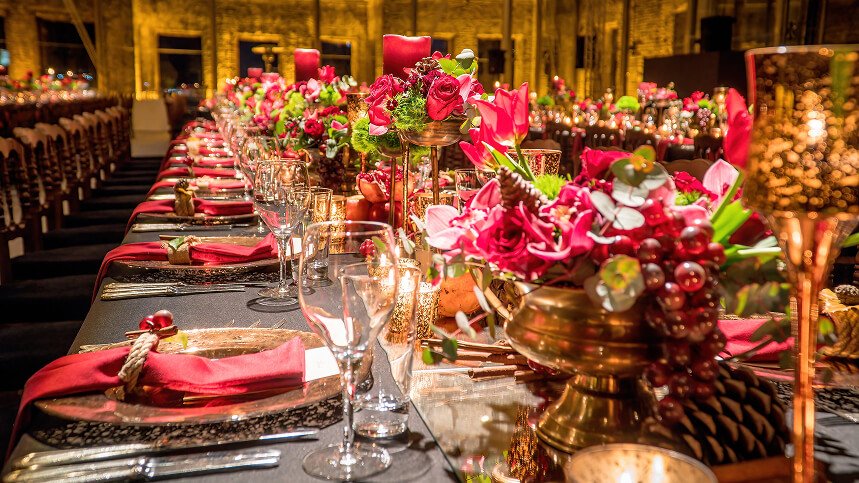
TURK serves a tasting menu featuring theatrical presentations such as dry-aged tomato tartare with Oscietra caviar, sided with fermented tomato, and creamy cheese. The fig jus completes the dish. Diners start in the lounge, where hors d’oeuvres are served along with sprawling city views. The journey concludes in the open kitchen where guests watch chefs as they assemble their creations.
Located in Istanbul’s fashionable Bomonti neighborhood in the upscale Şişli district, this is Turkey’s only restaurant to earn two Michelin stars. The ten-course tasting menu includes such elevated street food as mussels and beer, mussel dorma. Ingredients include mussel shell, beer mayonnaise, and anchovy. Vine leaves encase the rice, which bookends the mussel shells. The taste? First, there’s the beautiful contrast of textures–the tender, slightly chewy mussel meat against the fluffy, fragrant rice stuffing. The flavor is oceanic and fresh from the mussel itself, but rounded out by the complex spicing of the rice.
Nicole
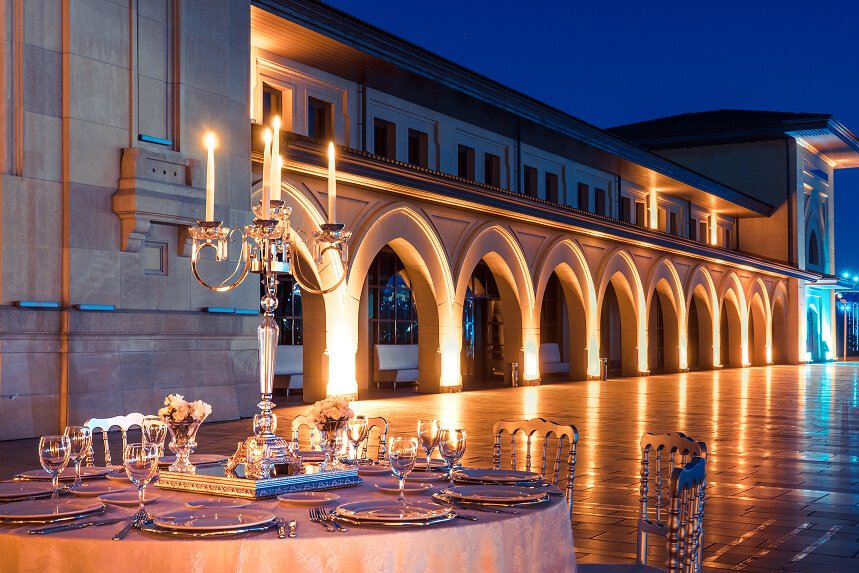
Named after a former owner, a Franciscan nun named Agnés Marthe Nicole, Nicole is populated by modern art with views of the ancient city. “Shoulder of lamb sourced in Balikesir is cooked until butter soft in a keskek stew, with a patiently reduced jus that is simply irresistible,” according to the Michelin Guide. “A vibrant blend of herbs and yoghurt, along with subtly spiced cooked grains, gives the dish a lively twist.”
The restaurant recently reopened after a late 2025 renovation. What to expect? The menu changes every six weeks (but no doubt that the shoulder of lamb will be back). Past selections include “a tomato with pistachio and nectarines paired with a Muscat, a 2014 white wine,” according to one reviewer. Also: “Black Sea Carp with Firik Boulgour and Green Lentils paired with an Allure Chardonnay 2014 from the region of Kayra.”
Neolokal
Chef Aşkar employs authentic recipes, adding intriguing twists: “Succulent dumpling with minced beef and bulgur, pine nuts and nuts seasoned with mild spices” is how the Michelin Guide sums up the cuisine. “A creamy emulsion of yoghurt with paprika and a parsley oil round off this light, original dish beautifully.”
The tasting menu includes marinated bonito, done in lion’s milk sauce, and served with pistachio tarator, apple sauce, and aromatic oils; poached bluefish served in “winter vegetable cream,” and topped with fresh herbs and a mussel sauce, and slow-cooked lamb paired with dried fruits, freekeh pilaf, and a lamb broth.
Located in the Salt Galata, the one-star Michelin restaurant features large windows and a comfortable terrace overlooking the city’s rooftops.