









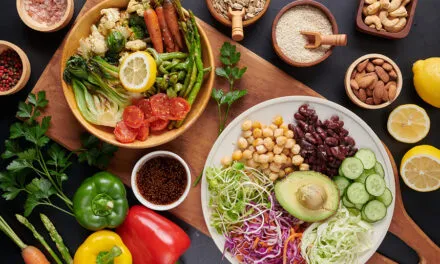







Food has never been just about fuel. Long before nutrition labels existed, before calories were counted or macros tracked, humans gathered around the table as an act of belonging. A shared meal is a story told — about where you come from, who raised you, and the traditions you carry forward.
Think of the turkey at the center of a Thanksgiving table, the sweets exchanged at Eid, or the elaborate feasts that stretch Christmas celebrations well past midnight. Across every culture and calendar, food marks time, honors memory, and holds communities together. Recipes pass through generations like heirlooms. The scent of slow-cooked lamb or freshly baked bread can collapse decades in an instant, transporting you back to a grandmother's kitchen or a celebration that lasts until dawn.
Now, a new class of medications is quietly reshaping the way millions of people experience food — and with it, some of the most intimate rituals of daily life.
GLP-1 receptor agonists, including widely recognized treatments such as semaglutide and tirzepatide, were originally developed to manage type 2 diabetes. Today, they have become one of the most talked-about tools in weight management, with clinical studies showing average body weight reductions of 10 to 18%. The results can be significant — but as their use grows, so does a more layered conversation: what happens to our relationship with food, and with each other, when appetite is no longer the same? In a world that often prizes thinness above all, what do we risk losing when the cultural and emotional weight of eating is overlooked in pursuit of a smaller body?
"What do we risk losing when the cultural and emotional weight of eating is overlooked in pursuit of a smaller body?"
When the Table Feels Different
For cultures where food is ceremony, the shift can be disorienting. Eating less at a family gathering, declining a dish prepared with care, or simply not feeling the same pull toward a meal that once brought joy — these moments do not go unnoticed. They can easily be misread as rejection, distance, or ingratitude.
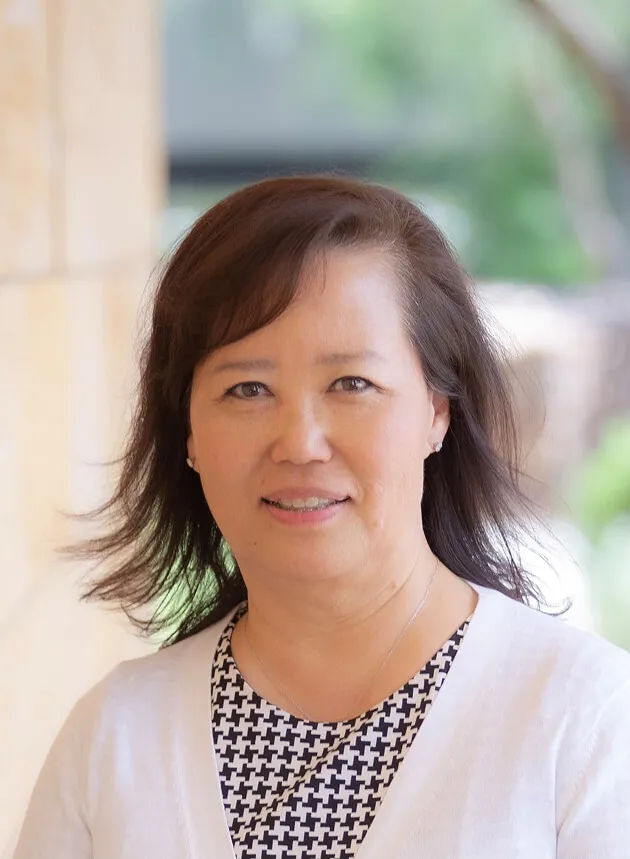
Sun Jones, DNP, RN, FNP-BC, FAANP — University of Phoenix College of Nursing
Sun Jones, DNP, RN, FNP-BC, FAANP, a family nurse practitioner with over two decades of experience and associate faculty at the University of Phoenix College of Nursing, understands this tension personally. "In my culture, food is present at nearly every event, gathering, or celebration," she says. "With the increasing use of GLP-1 medications, people may notice that individuals are eating less and that food no longer plays the same role it once did. This shift can sometimes be misunderstood."
Dr. Jones has seen patients navigate these moments with humor, openness, and creativity — staying present at the table even as their appetite changes. In her experience, honest communication tends to disarm tension more than anything else. "Once someone openly shared that they were taking a GLP-1 medication, had lost weight, and felt healthier, reactions were often positive. Instead of pressure, people became curious, asking questions, showing support."
The invitation is not to step away from the table, but to reconsider what the table has always been for. Connection, not consumption, has always been the true point.
Nourishment Still Matters — Perhaps More Than Ever
Embracing a new relationship with eating does not mean abandoning the responsibility to nourish the body. A reduced appetite actually raises the stakes for intentional nutrition. When overall intake drops significantly, the body can fall short of the protein, vitamins, and minerals it needs to function — and to preserve muscle mass during weight loss.
"The excitement surrounding rapid weight loss can sometimes overshadow the importance of monitoring muscle preservation and nutrient intake," Dr. Jones notes. Warning signs that the body may not be getting enough include persistent fatigue, hair thinning, muscle weakness, and difficulty concentrating — all reasons to check in with a healthcare provider.
The good news is that eating well on a GLP-1 medication is possible, even when hunger feels distant. It just requires a shift in approach: thinking about food quality rather than quantity, and planning ahead so that meals do not get skipped altogether. Smaller portions spread across the day, nutrient-dense snacks, and a little preparation can make a meaningful difference.
Dr. Jones also shared practical tips to incorporate into your routine:
- Lead with protein: Fish, eggs, Greek yogurt, cottage cheese, lean poultry, beans, and nuts are all strong options. Eating protein first at meals ensures it does not get pushed aside when appetite is limited. Aim for 80 to 120 grams daily, depending on body size and activity level.
- Build meals around whole foods: Leafy greens, whole grains, avocados, berries, and olive oil deliver essential nutrients without requiring large volumes of food.
- Stay hydrated: Two to three liters of water daily, with electrolytes if needed, supports digestion and overall energy — especially when early fullness limits fluid intake.
- Avoid highly processed foods: These can worsen common side effects like bloating, constipation, and nausea.
- Move with purpose: Resistance and strength training are especially important during weight loss to protect muscle and bone density — benefits that GLP-1 medications alone cannot provide.
- Monitor regularly: Routine check-ins with a healthcare provider should include tracking weight, muscle mass, and key lab values such as vitamin B12, vitamin D, folate, iron, and protein levels. Supplements may be needed, and that is not a setback — it is part of a complete approach.
She also pushes back against the cultural obsession with rapid transformation. "The most successful and sustainable weight loss I have seen is often in those who use lower medication doses and lose weight more slowly. Slower, steadier progress is more likely to last and is associated with better preservation of muscle and bone health."
On supplements, Dr. Jones discourages guesswork. Rather than defaulting to a general multivitamin, she encourages working with a healthcare provider to identify specific gaps through diet assessment and lab work — with particular attention to vitamin B12, vitamin D, iron, and folate, all of which can become depleted as food intake decreases.
"Slower, steadier progress is more likely to last — and is associated with better preservation of muscle and bone health."
Balance as a Philosophy
These medications ask something deeper than a change in appetite — they invite a reckoning with why food has always mattered. That meaning does not shrink with hunger. If anything, it becomes more visible and more worth protecting.
Thinness has long been marketed as the ultimate measure of discipline, but wellness has never lived on a scale. Every dish we grew up with carries a history that speaks to who we are — and honoring that is not just nostalgia, it is wisdom. Hospitality has never been about how much anyone eats. It lives in presence, in warmth, and in the care behind the preparation.
For many of us, the hardest part of any health journey lies in the permission it requires: the permission to slow down, to stop wearing exhaustion like a badge, and to notice when the body signals something — lingering fatigue, restless sleep, or stress that never quite loosens its grip.
Movement does not need to be ambitious to count. A short walk, a few minutes of intentional breathing, a moment of stillness carved out of a full day — practiced consistently, these small habits build what no prescription can provide on its own.
Cultures that have always known food to be about more than eating carry a lesson worth holding onto: that nourishment runs deeper than nutrition, and that balance — between body and spirit, between personal goals and shared joy — is a daily practice. It lives in the quiet choice, made again and again, to treat yourself as someone worth caring for.
The table endures. What we bring to it, always, is ourselves.
"The table endures. What we bring to it, always, is ourselves."
Medical disclaimer: This content is for general informational purposes only and is not a substitute for professional medical advice, diagnosis, or treatment. Always consult a qualified healthcare provider before starting or changing any medication, diet, or supplement routine.
Sun Jones, DNP, RN, FNP-BC, FAANP, is associate faculty in the College of Nursing at the University of Phoenix, founder of the Arizona Korean Nurses Association and the Korean American Nurses Foundation, and a Fellow of the American Association of Nurse Practitioners.