










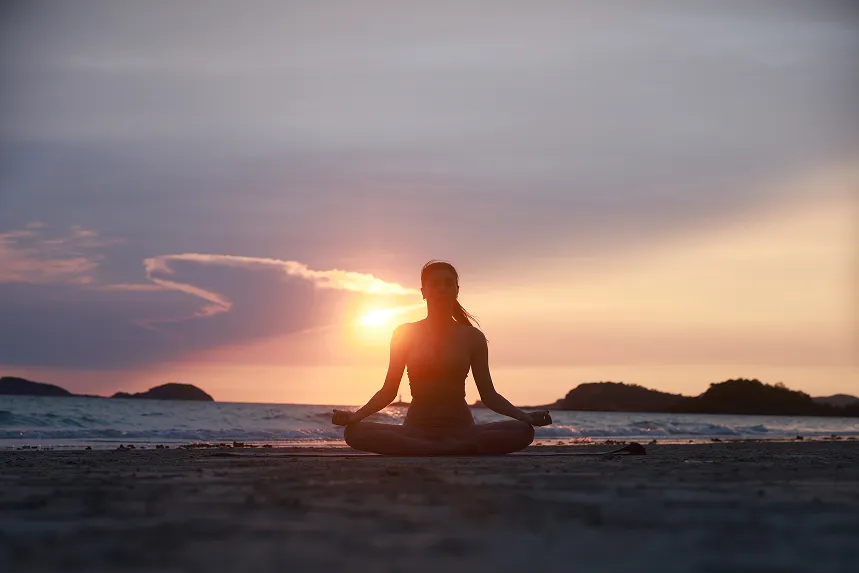
What does the term "wellness" mean to you? Does it involve a healthy diet, regular exercise, and a solid eight hours of sleep at night? Does it involve trying out the latest natural beauty products, cosmetics, and skincare lines? Does it mean indulging in luxurious spa treatments, such as facials, body wraps, or massages? Or perhaps your idea of wellness is simply sitting in your favorite chair by the fireplace, with a good book, a blanket, and a cup of hot tea.

The truth is that the concept of wellness can include all of these things. Wellness has become a broad "catch-all" term that can encompass diet, lifestyle, supplements, services, and much more, and in 2025, the global health and wellness economy is projected to reach a staggering $7.3 trillion.
As exponential growth continues to dominate the wellness industry, Middle Eastern influence has gained traction in all facets of this dynamic sector, from hammams to fragrance to holistic nutritional offerings.
In 2025, the global health and wellness economy is projected to reach a staggering $7.3 trillion — with Middle Eastern influence gaining traction across every facet of the industry.
Middle Eastern Hammams: Ritual and Restoration
The days of popping into a salon for a simple facial are over, as health-minded individuals are demanding more from their health, wellness, and self-care practices. Amid the pressures of balancing family, career, children, and more, we crave a full wellness experience, cloaked in luxury from head to toe, letting our stress melt away in the clouds of healing steam and refreshing, restorative waters.
The perfect place to indulge in a day of self-care, and receive the pampering you deserve? A traditional Middle Eastern-inspired hammam. And now, with authentic hammams trending in metropolitan areas across the US, you don't even need a passport.
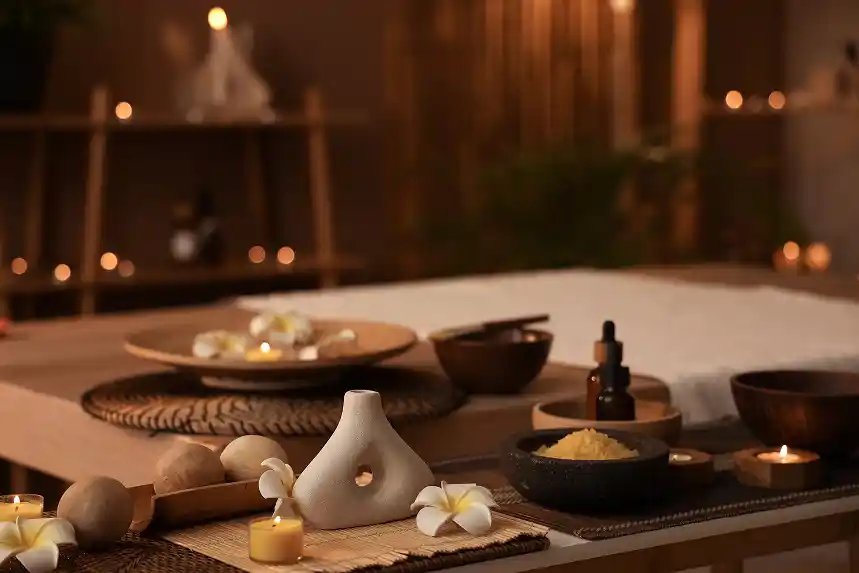
The ancient art of the hammam — ritual, steam, and restoration
A hammam is a Turkish-inspired bathhouse that quickly became a prominent part of Islamic culture, with its popularity peaking in the Middle East during the rule of the Ottoman empire. Although each region put their own unique spin on these bathhouse rituals, it was always a sacred experience with a similar ritualistic progression through the rooms of the bathhouse, typically separated by gender. The bather would begin in the undressing room, then move into the cold room, the warm room, and then finally the hot room, where hot water, heat, and steam were delivered from the room's furnaces.
Although they may now carry a reduced focus on a communal spiritual experience, modern hammams have brought a welcome twist to the ancient bathhouse concept. While the spaces are still inherently calming, tranquil, and opulent, they also offer an extensive menu of wellness options, including massages, aromatherapy services, and skincare services, catering to the diverse preferences of their clientele.
If you are looking for your own unique bathhouse experience, hammams are now popping up in New York City, Los Angeles, and Chicago, as well as other cities across the US. AIRE Ancient Baths has locations in both Chicago and NYC, while Aman New York features a Hammam Spa House where you can indulge in steam baths, body scrubs, cleansing services, and massage. In Miami, you can step into an authentic Turkish hammam experience at Hurrem Hammam Wellness & Spa, a 20,000 square foot spa that is inspired by ancient Middle Eastern bathing culture.
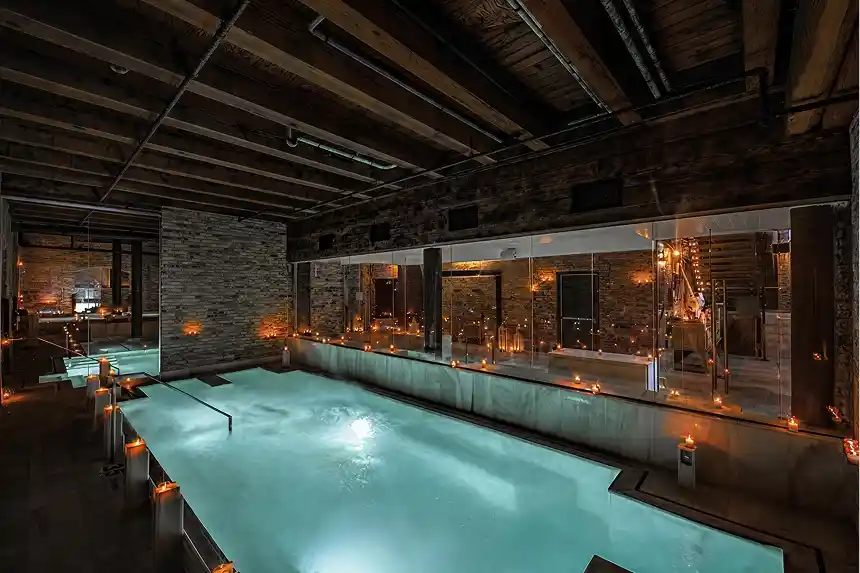
The ultimate bath experience — steam, warmth, and ancient ritual reborn
Whether you need a meditative solo spa day, a couple's retreat, or a luxury outing with your best group of girlfriends, an authentic hammam is an exclusive experience that can be exactly what you need it to be.
"An authentic hammam is an exclusive experience that can be exactly what you need it to be."
Fragrance With A Side Of Fungus? Yes, Please.
Have you ever experienced a fragrance that is complex and mysterious, with underlying layers that are leathery, earthy, smoky, and even a little bit spicy? It may have been the bold and intense scent of oud.
Oud is only produced when the Aquilaria tree, a species native to Southeast Asia, is damaged by weather, insects, fungus, or other external forces, in a process that can take decades to fully complete. The resulting product is "oud", also known as agarwood, which is a resin that carries a distinct aromatic fragrance that has become synonymous with luxury. Oud has been used for centuries in Middle Eastern regions, and signifies an important connection with Islamic culture, as it is often used in religious rituals and spiritual practices.
Trailblazing visionary Tom Ford was one of the first big names who pioneered the use of oud in mainstream designer fragrance, when he released Tom Ford Oud Wood in 2004. And ever since that intriguing release, oud has been a favorite in the world of luxury fragrance. Fans of upscale fragrance can now spritz themselves with a variety of oud-based perfumes, including Hermès Oud Alezan, Dior Oud Ispahan, and Dolce&Gabbana Velvet Desert Oud, all commanding a premium price that is validated by the significance and rarity of natural oud.
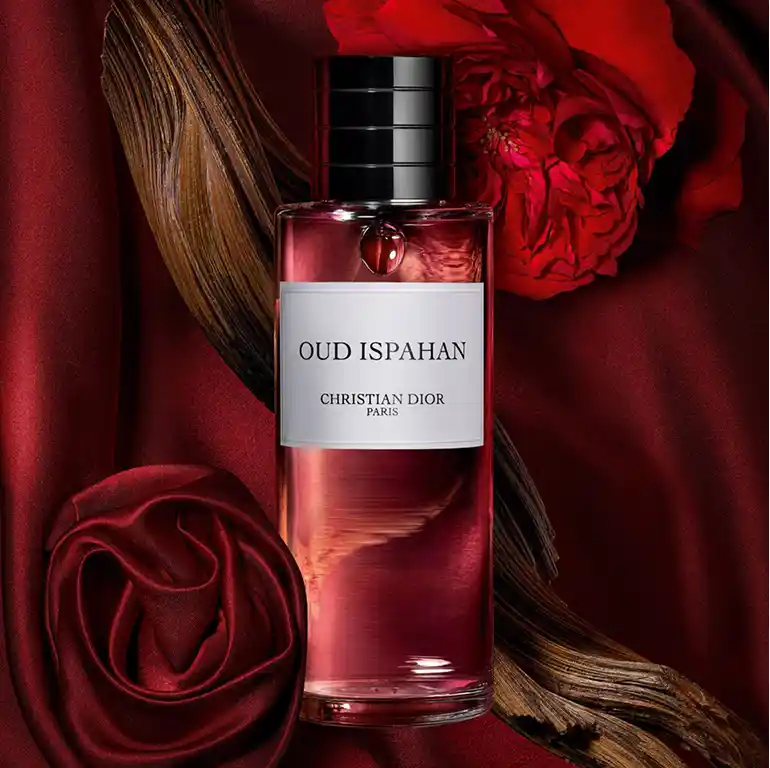
Dior Oud Ispahan
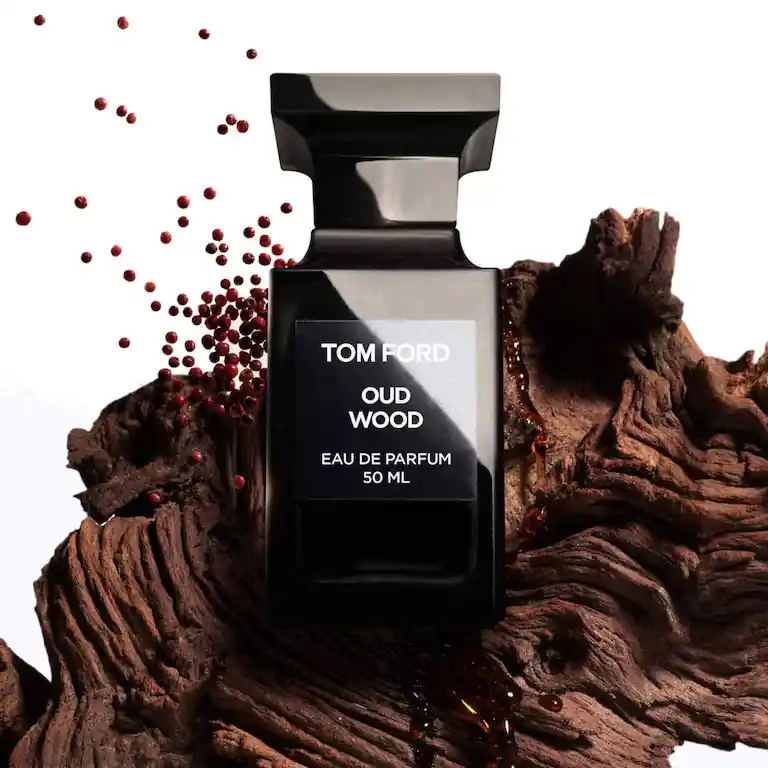
Tom Ford Oud Wood
Each oud-based fragrance is typically combined with complementary notes that add layers of complexity, such as sandalwood, bergamot, rose, amber, vanilla, or musk. Oud perfumes are inherently woodsy, natural, musky, sensuous, and earthy, making them a delightful change of pace from floral or fruity fragrances.
"Oud has been used for centuries in Middle Eastern regions — a resin synonymous with luxury, spirituality, and the passage of time."
The Real Spice of Life
By intentionally ditching toxins and chemicals from our daily lives, we are embarking on a holistic journey encompassing wellness, healing, and self-care. We are looking for more than just a pill to mask our symptoms, yearning to get in touch with our bodies and discovering the root cause of our mental, physical, or emotional ailments.
It's time to take a new look at the ancient concept of "food as medicine," and the best place to start is by shaking up your recipes with Middle Eastern flair.
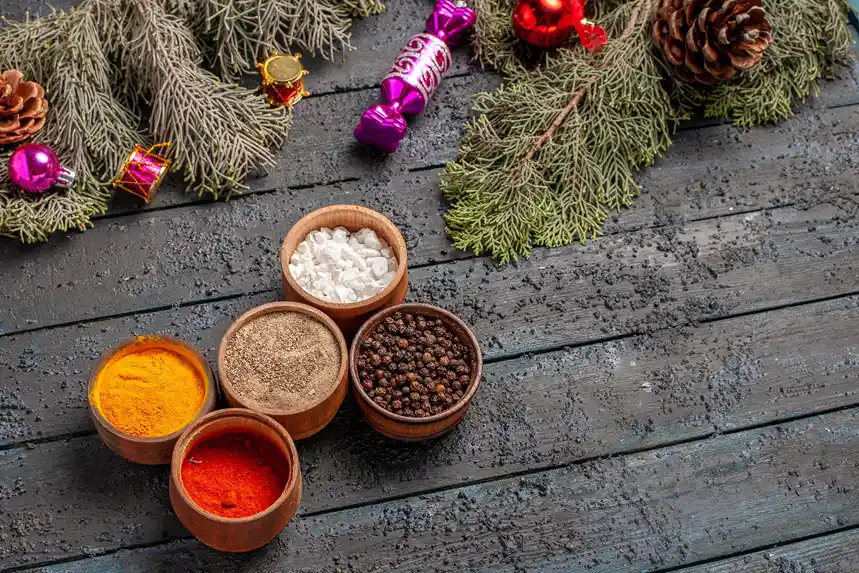
The ancient spice tradition — ginger, turmeric, black seed and beyond
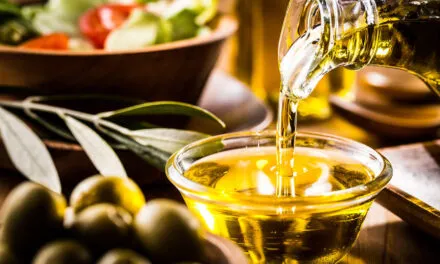
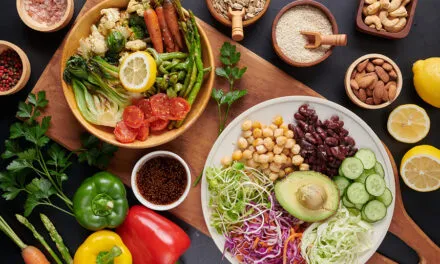
Why not add some spice to your life with traditional Middle Eastern spices, such as ginger, turmeric, and black seed? These healing ingredients not only offer enticing flavor profiles, but also have therapeutic properties that can help reduce inflammation, promote healthy digestion, support bone and joint health, increase immune system functioning, and even help lower glucose levels.
When you're looking for a tasty twist on your next meal, consider adding some ginger to your stir fry, bake a loaf of bread with black seed, or blend up a restorative smoothie with fruits, veggies, and turmeric.
Wellness Isn't Just A Trend, It's A Lifestyle
Regardless of how you define wellness, it is very much an individualized concept that can — and often does — evolve throughout your life.
It could consist of replacing your cosmetics, fragrance, or beauty products with more natural options, such as oud fragrance. It could mean carving time out for yourself with a hammam visit. Or it could be simply adding some Middle Eastern spice to your meals or snacks.
And remember, it's the little changes that eventually add up to big changes.
Whether you are just dipping your toes into the pool of holistic wellness, or consider yourself a bona fide wellness warrior, these Middle Eastern-inspired trends will make the journey that much more enjoyable.
"It's the little changes that eventually add up to big changes."