




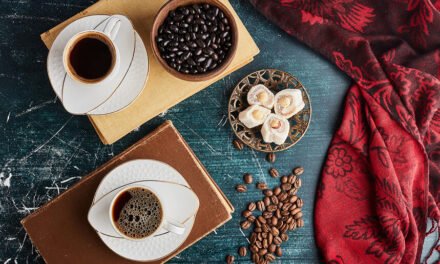







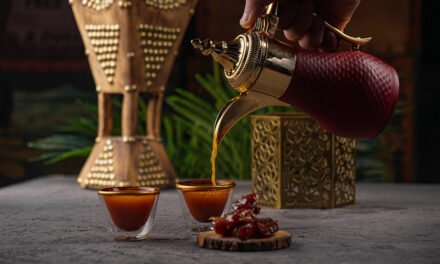

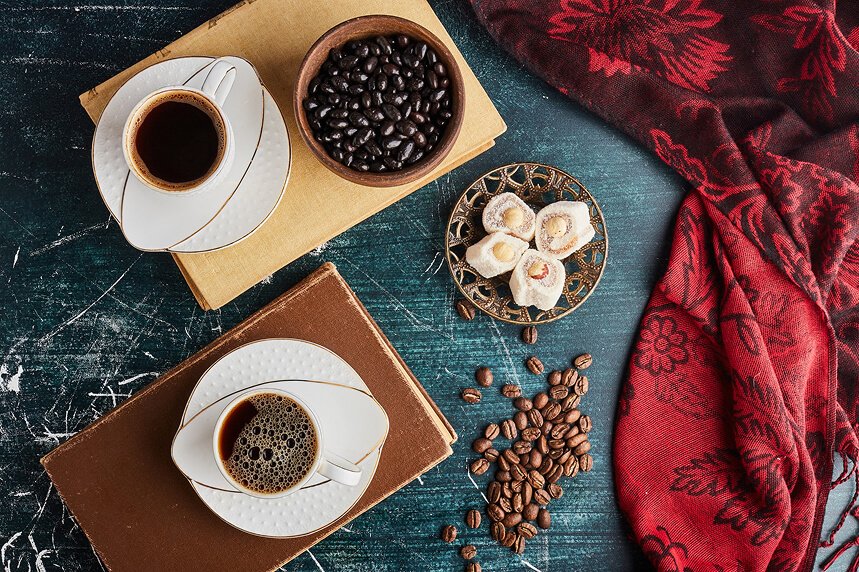
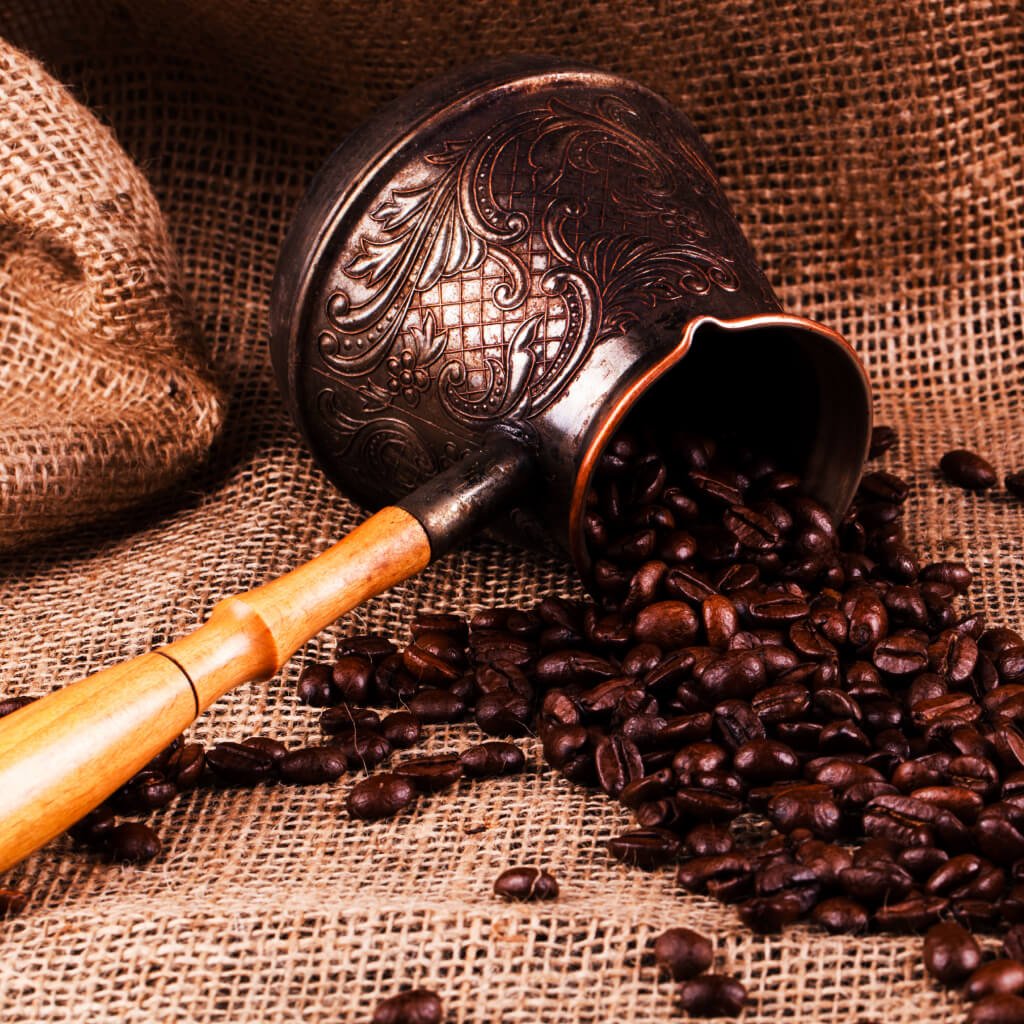
Turkish coffee—prepared with finely ground beans and brewed in a cezve—is less a beverage and more of a cultural experience. It is traditionally served with Turkish Delight (Lokum), a sweet, chewy confection made from a sugar-starch gel. Flavored with rosewater and nuts, or essences of lemon, mint, or citrus, this pairing creates a sensory balance of bitter and sweet.
Specialty cafés across the U.S. are increasingly embracing these traditions, offering customers not just a unique flavor, but a rich ritual. Beyond the traditional preparations, modern innovations of this sweetened drink—served in small, ornate cups—include cardamom-infused cold brews and Turkish delight–flavored lattes. The experience is further elevated with floral or spice notes like rosewater, saffron, cinnamon, and cloves.
“This trend isn’t just about flavor; it’s about storytelling, cultural connection, and a shift toward more intentional coffee experiences,” says Bryan Quoc Le, founder and principal food consultant at Mendocino Food Consulting.
Yemeni Coffeehouses: Cultural Hubs Taking Off

As of early 2025, there are about 30 Yemeni-owned coffeehouse brands across the U.S., with a strong presence in states like Michigan, New York, California, and Texas.
The reason for this remarkable growth is a blend of cultural preservation and modern demand. Driven by immigrants fleeing civil war, these coffee shops become vital cultural anchors. A younger generation’s yearning for a social scene and the global growth of Middle Eastern coffee brands also contribute to a dynamic and thriving specialty coffee scene in the U.S.
From Dearborn to San Diego: Yemeni Coffee Culture Takes Root Nationwide
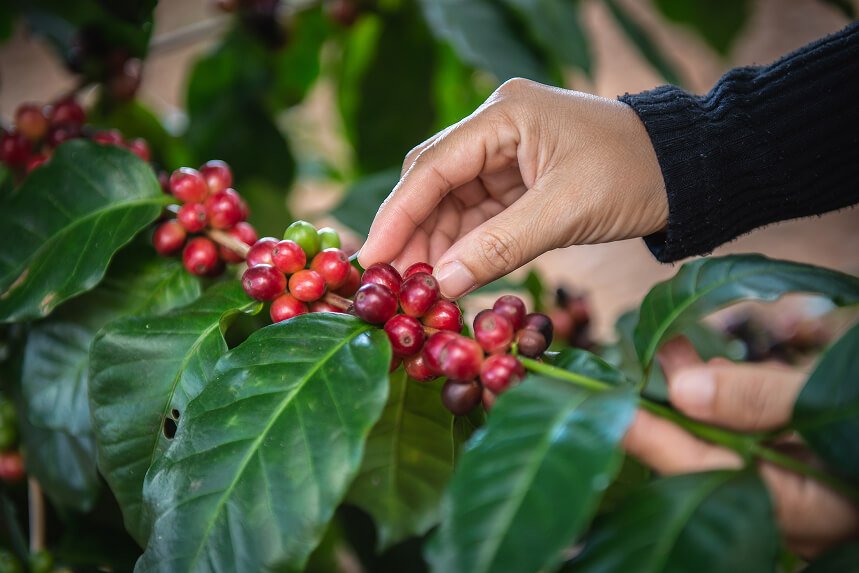
Qamaria Yemeni Coffee Co., based in Dearborn, Michigan, was founded by two Yemeni entrepreneurs, Hatem Al-Eidaroos and Munif Maweri. The pair spent years building a supply chain to source premium, single-origin beans directly from Yemen, particularly the storied Haraz region. With 25 locations nationwide, their shops feature traditional majlis-style sofas, private meeting rooms, and patios, all infused with Yemeni motifs like crescent windows and rich carpet patterns.
Delah Coffee, with locations in Northern California and one in Naperville, Illinois, serves traditional Yemeni brews like Sana’ani, a house black coffee with cardamom, and Jubani, a lighter roast with cardamom, ginger, and cinnamon. Their Yemeni latte is a fan favorite, celebrated by reviewers for its strength and rich blend of spices.
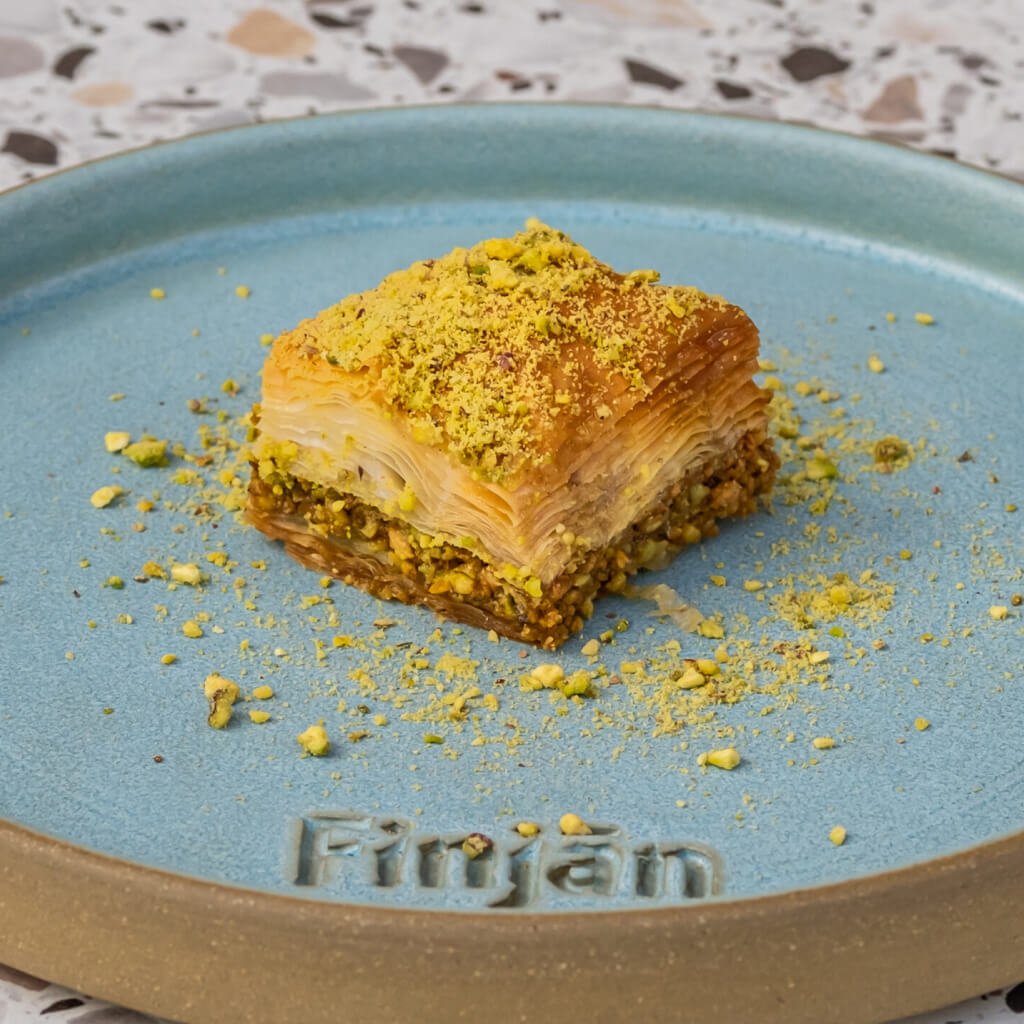
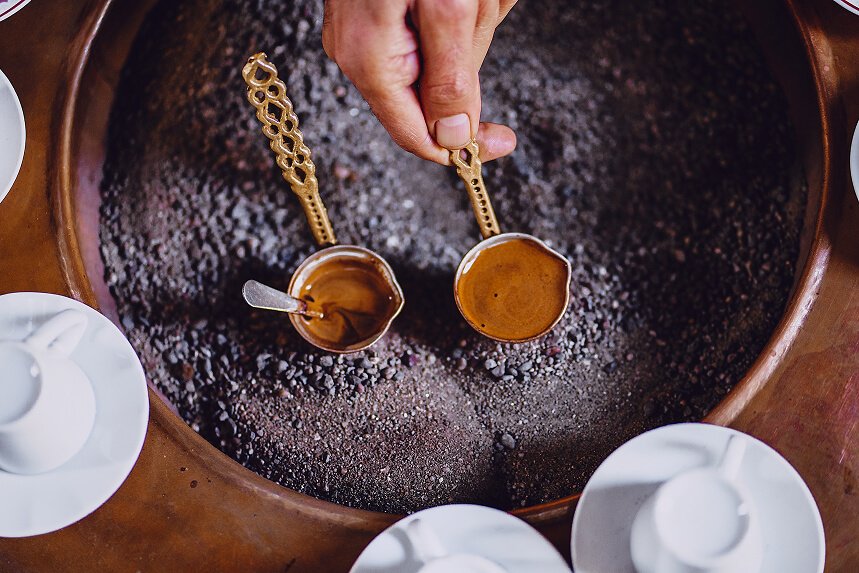
Meanwhile, San Diego-based Finjan Coffee Co. (Arabic for “coffee cup”) uses locally roasted beans and brews Turkish-style coffee using a hot sand pit method. The drinks are perfectly paired with in-house sweets like knafeh, a traditional Arab dessert of pastry layered with cheese and soaked in sweet syrup. They also serve baklava and other desserts featuring phyllo dough, cream, and nuts.
Other cafes like Qahwah House, with over twenty locations, and Haraz Coffee House, with thirty shops, offer similar Yemeni brews, inviting late-night gatherings in cozy, culturally resonant spaces.
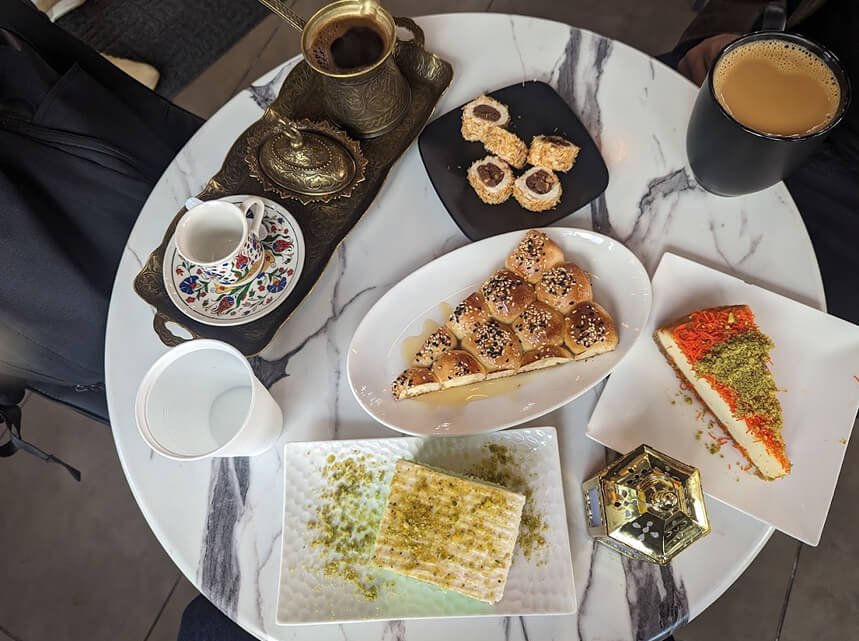
Another delicious trend among the shops is the rise of tahini lattes—a creative Middle Eastern twist on the latte. Made with creamy sesame tahini, sometimes with honeycomb or salted variations, these drinks offer a nutty, subtly savory complexity that’s especially popular among vegan and health-conscious consumers.
A desire for authenticity is at the heart of the trend. “Coffee lovers today crave more than just caffeine—they want heritage, craftsmanship, and a story behind their cup,” Le says. “Middle Eastern coffee has deep roots, especially in places like Yemen, where coffee has been grown for centuries.”
Le adds that these cafés are not only serving coffee; they are preserving identity, building community, and expanding the social landscape of café culture.
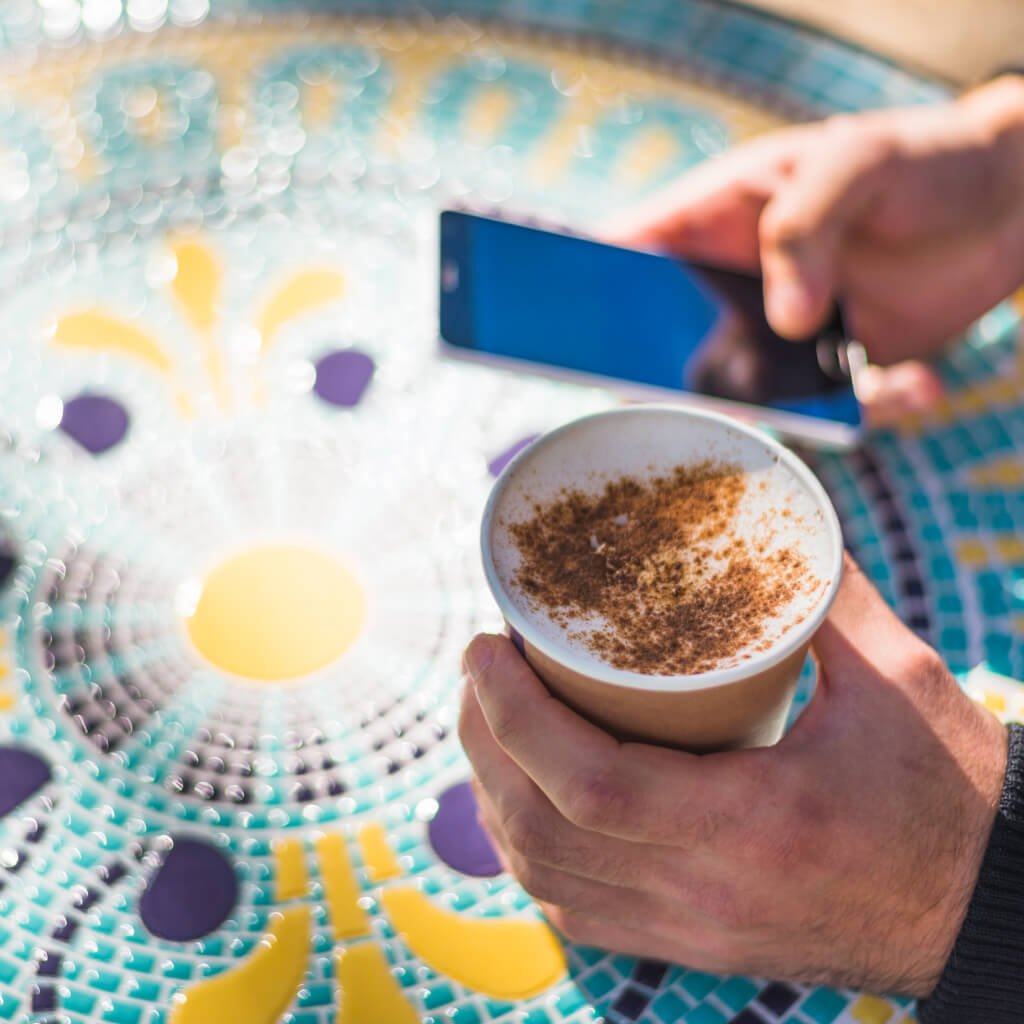
Their spaces are designed for late-night gatherings, encouraging conversation and connection in settings infused with cultural cues—from ornate patterns and Arabic calligraphy to the intoxicating scent of cardamom and ginger.
Art and culture play a significant part in these gatherings. In cities like Dearborn, Brooklyn, and San Francisco, Yemeni cafés host poetry nights, charity drives, and Ramadan gatherings. These events blur the line between a business and a cultural institution, creating a mutual benefit for both the community and the proprietors.
International Chains Bringing Authenticity Stateside
A notable example of an international chain is Kyan Café, the first Saudi Arabian-branded coffee chain to launch in the U.S. Located in the Bronx, it serves both Western drinks as well as Saudi and Turkish coffee, blending familiarity with tradition.
Founded in 2009, Kyan Café is the sixth-largest branded coffee chain in the Middle East with hundreds of shops across Saudi Arabia, Kuwait, Jordan, Oman, Qatar, and the UAE.
Turkish Delight Pairings: Tradition Meets Trend
In traditional settings, Turkish coffee is always served with Turkish Delight alongside a glass of water—creating a sensory balance of bitter, sweet, soft, and palate-cleansing. U.S. cafés are now offering this classic pairing—and in some cases innovating with beverages named after the confection—like a Turkish Delight Coffee that’s billed as “almost a dessert in itself.” The product is sold by Bacha Coffee, founded in Marrakech in 1910.
Shops also incorporate other sweets, including honeycomb cake, pistachio milk cake, and regionally flavored desserts.
Middle Eastern coffee culture has become much more than a niche—it’s influencing menus, café design, social rituals, and product innovation across the U.S. From intimate Turkish coffee rituals and welcoming Yemeni community hubs to viral ingredients like tahini and delightful pairings with Turkish delight, these trends merge history with modern tastes and hospitality.