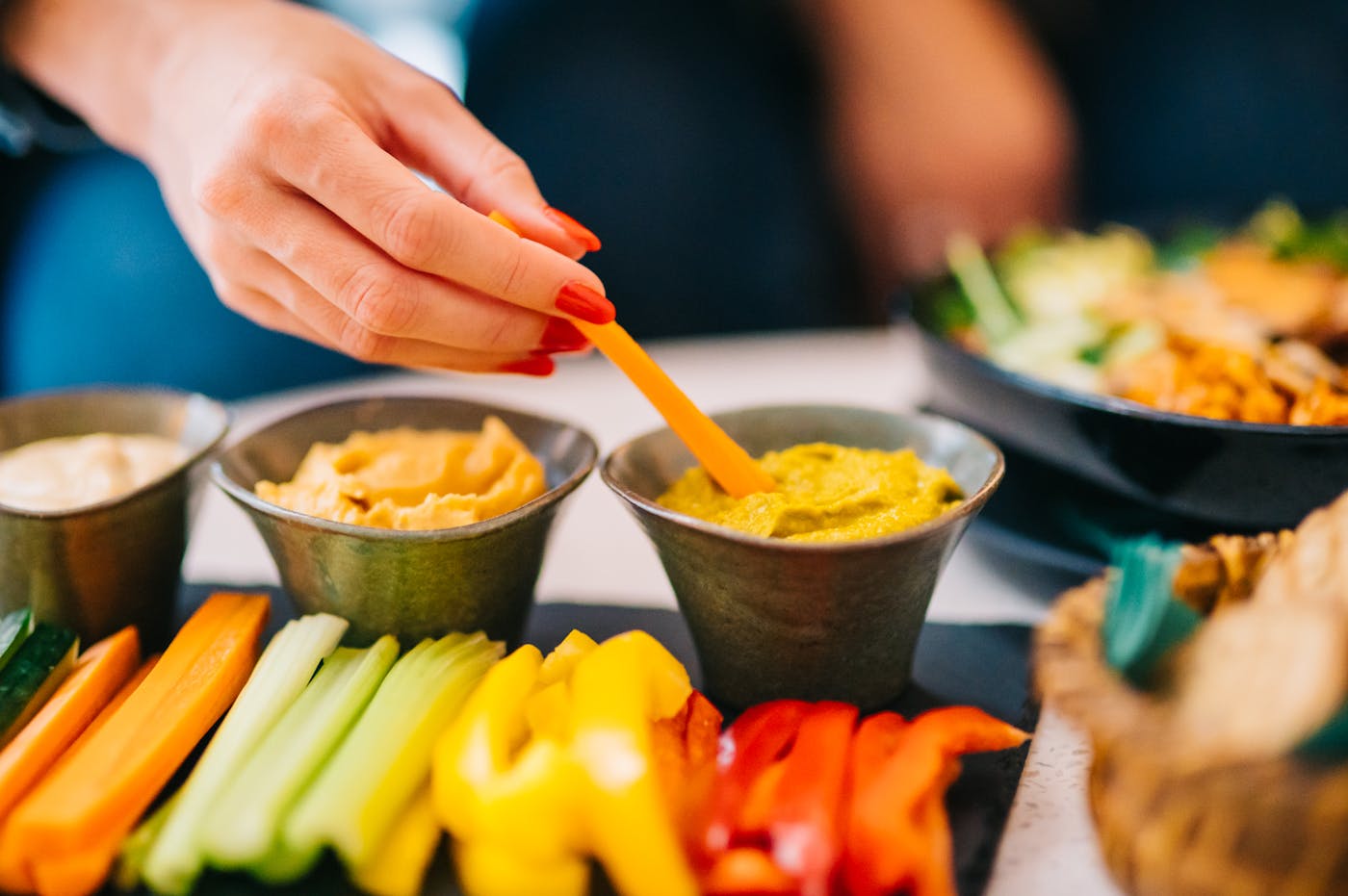






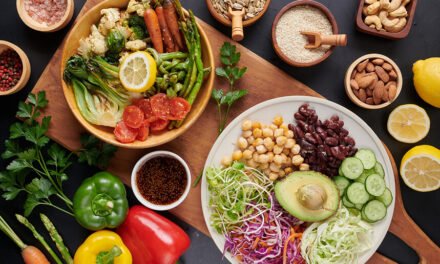
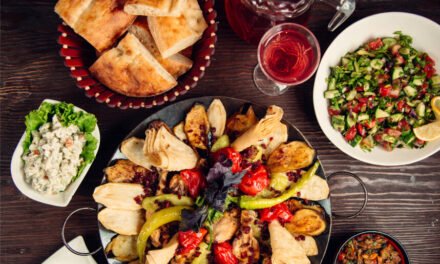





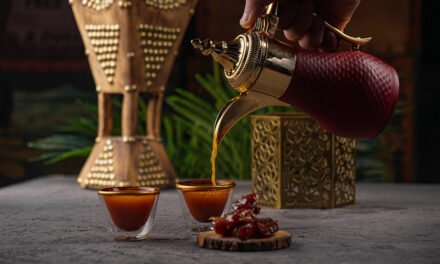

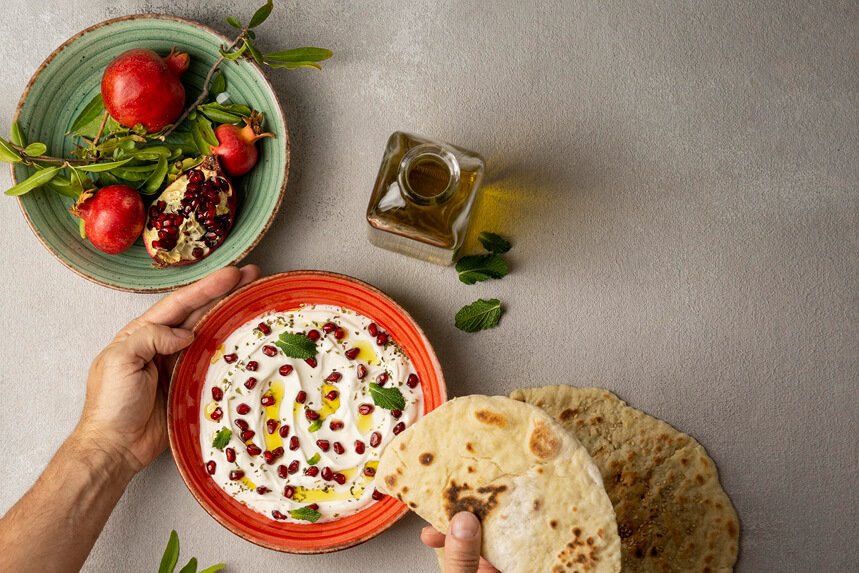
Visit almost any trendy restaurant in Los Angeles or New York City in recent years, and you'll notice something: nobody's ordering entrées anymore. Instead, tables are covered with six, seven, eight small plates — everyone reaching across, trying bites, arguing over the last piece of grilled kohlrabi.
This is mezze culture, a dining trend that's taken over American dining.
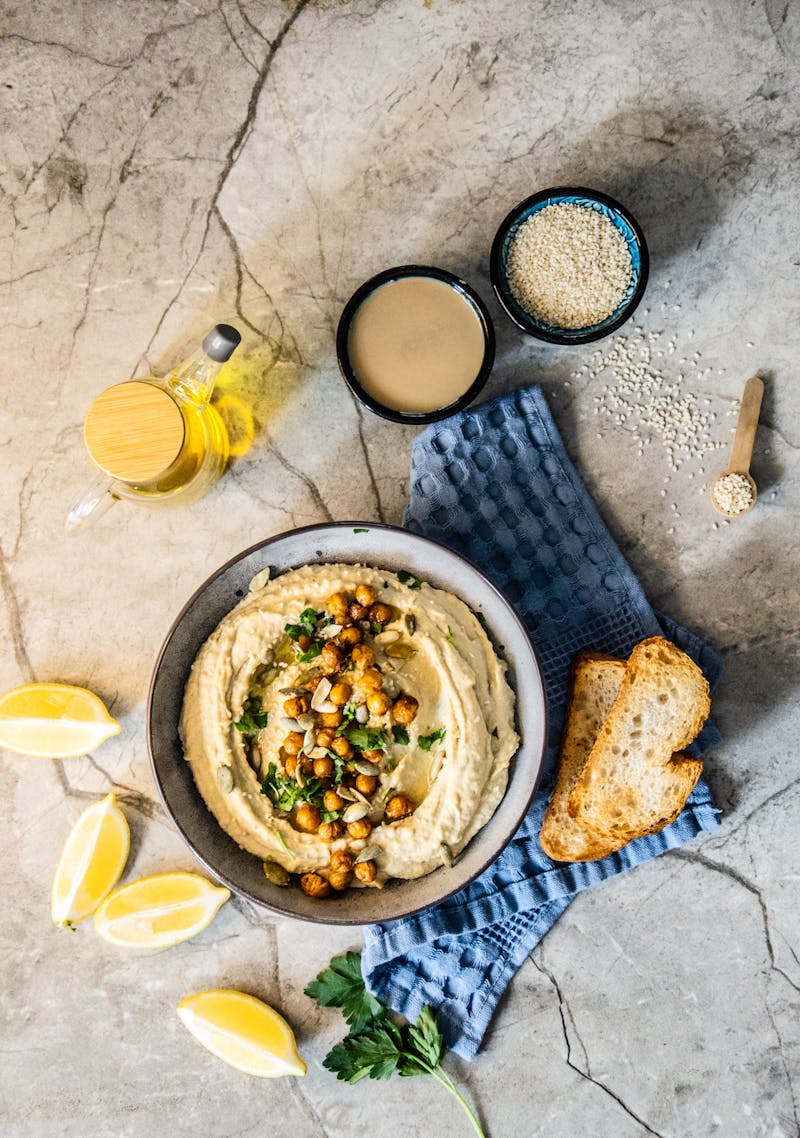
The word itself comes from Turkish (meze) by way of Persian (maza) — "to taste" or "to relish." Traditionally, it refers to small dishes you'd find across the Mediterranean and Middle East: Lebanese tabbouleh, Turkish köfte, Greek dolmas, Moroccan zaalouk. Such small plates have been integral to dining experiences in these regions, but American chefs have run with the concept in surprising ways.
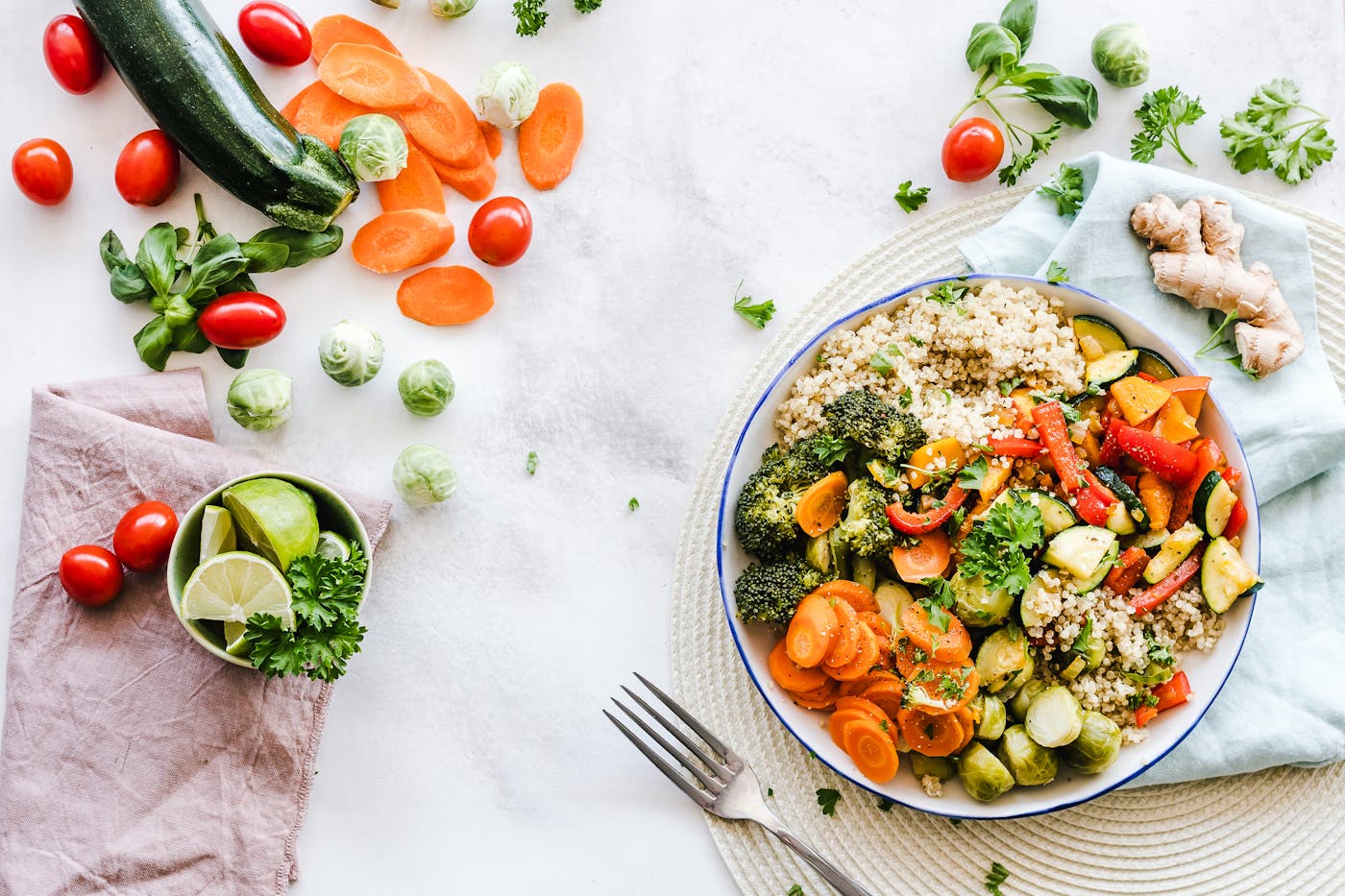
The Social Shift Behind Sharing Small Plates
Tapas started the conversation back in the early 2000s, paving the way for small-plate acceptance in the U.S. But mezze is different. It's broader, more adaptable, and draws influence from across the Mediterranean basin and beyond. Modern mezze menus incorporate dishes from Lebanon, Turkey, Greece, and Morocco, increasingly adding fusion elements that reflect America's melting pot ethos.
Chef Michael Solomonov's Philadelphia restaurant Zahav helped kickstart the American version. His menu features small plate seasonal vegetable dishes: beets with tahini, twice-cooked eggplant, pickled Napa cabbage, and marinated cauliflower. The main mezze dishes include lamb carpaccio, phyllo-wrapped halloumi with ground cherries and pistachio, tahini-roasted maitake, and fried squash.
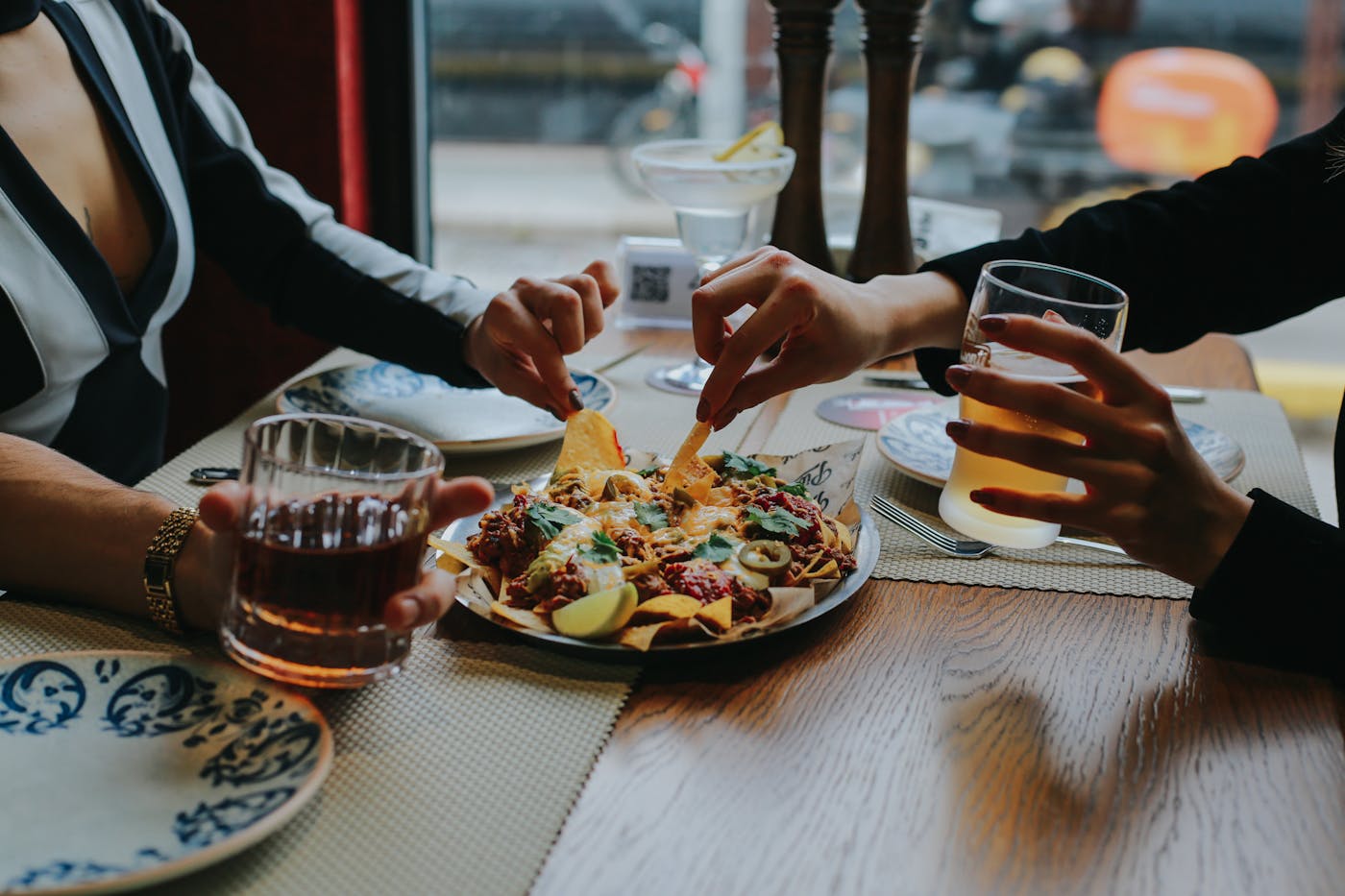
Where Mezze Is Happening
Bavel
In Los Angeles' Arts District, Bavel Middle Eastern restaurant does something extraordinary. Chefs Ori Menashe and Genevieve Gergis pull from Moroccan, Israeli, Turkish, and Egyptian family traditions, using slow-cooking techniques, aromatic wood fires, pickling, specialty spices, smoke, and herbs to create food that people wait weeks for reservations to try. At Bavel, expect grilled dates, Moroccan carrots, grilled kohlrabi, and oyster mushroom kebab to start the list.
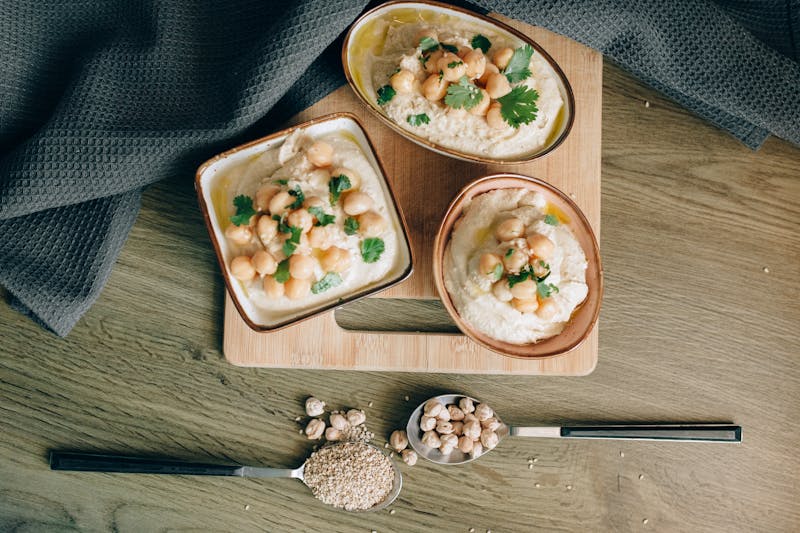
Leonetta
In New York City, mezze has become essential. "At Leonetta, we encourage guests to share multiple plates in the mezze style, which seems to fit the appetites of our guests, both literally and figuratively," says Torrey Grant, Leonetta's wine director. The restaurant serves Mediterranean cuisine with a lineup of small plates: baharat roasted mushrooms, za'atar steak fries, and crispy basmati rice, among others.
Grant adds that larger tables want to share plates and split the bill, which often includes wine. "Our wine program matches the mezze concept," he says. Using lighter wines with grapes like Assyrtiko, Arneis, Areni, and Nerello Mascalese allows guests to be adventurous in their pairings. "There's no commitment with a large entrée, a full bottle of wine, or even a single full glass."
"There's no commitment with a large entrée, a full bottle of wine, or even a single full glass."
Restaurants Benefit From Small Plate Dining
"Restaurants can prepare small plates more quickly and sell more of them, turning tables faster," says Chef Chuck Hayworth, COO at North Carolina-based The Resort Chef. "In a fine dining restaurant, margins are extremely low. This helps in food cost and provides a healthier financial view of the restaurant."
Diners also order more dishes and more drinks, boosting check averages. Flexible portion control means ingredients get used more efficiently. The model also allows for creative use of seasonal ingredients, and it minimizes food waste.
While upscale restaurants initially led the mezze movement, the concept has expanded across price points, helping it to reach a broader audience. Even fast-casual chains like CAVA have brought mezze-style dining to the masses.
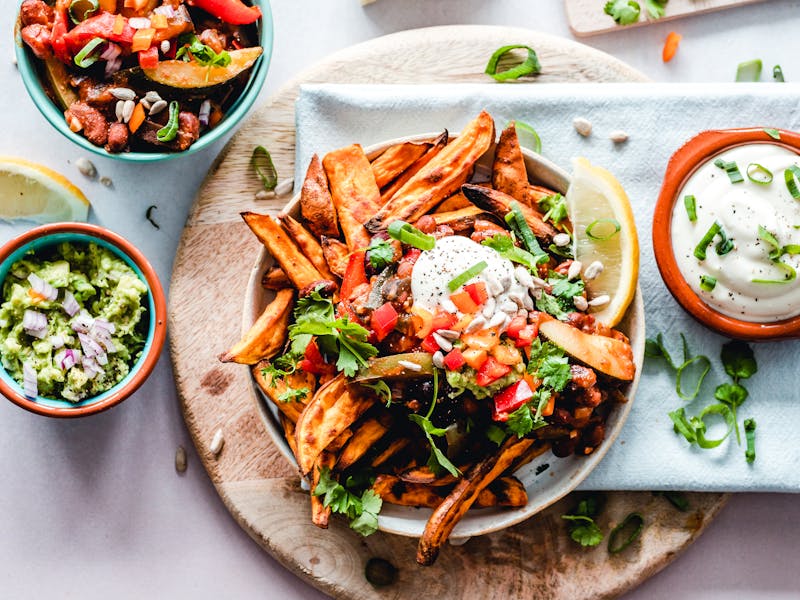
Vegetable mezze dishes are proving especially popular. Food & Beverage Magazine calls it "vegetable-forward mezze culture." Chefs are elevating what the publication calls "humble produce" through charring, fermentation, and the use of regional spice blends like za'atar, dukkah, and berbere. According to the magazine, "These plates provide excellent margin opportunities while meeting growing demand for plant-centric dining experiences."
The Real Appeal Behind The Mezze Trend
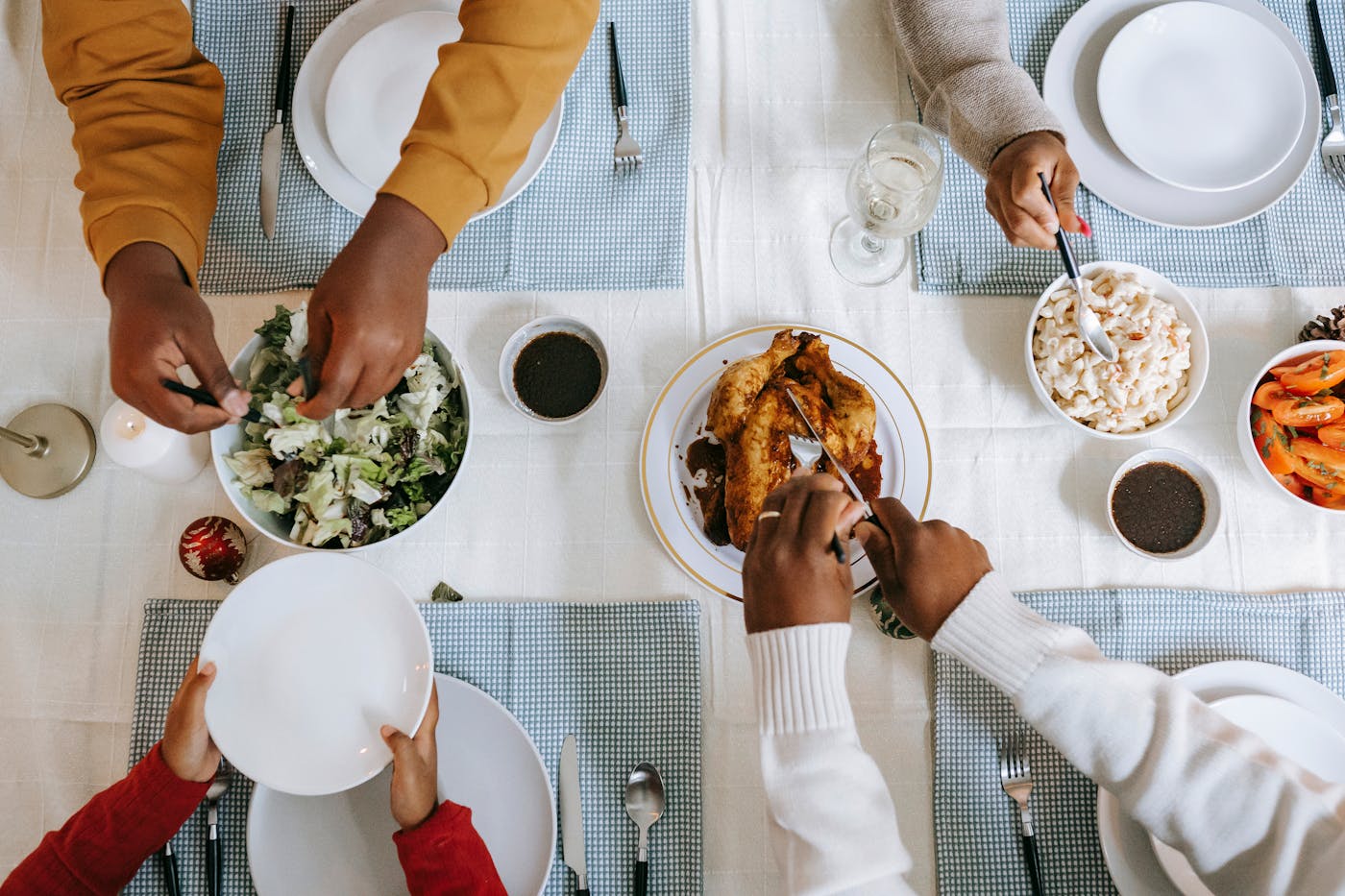
There's something fundamentally different about a table covered in shared dishes versus everyone silently working through their own entree. The mezze format naturally encourages conversation, sharing, and a more interactive experience between diners. It creates what some call "food talk" — what to try next, whether the cauliflower is better than the carrots, and who wants the last bite of a favorite dish. It makes dining more engaging.
The University of Chicago Booth School of Business studied this phenomenon and found that people conducting business over shared small plates collaborate better and close deals faster.
Millennials have driven much of the shift. They want to try new flavors together without committing to a full entree. Small plates represent a lower risk since there's no need to invest in a higher-priced entree.
What's Next For the Mezze Trend
Chefs are now getting more specific. They're moving past standard Mediterranean flavors and generic offerings to highlight distinct traditions from specific countries or even cities. Food & Beverage Magazine notes that innovative kitchens are now doing "bioregional interpretations that honor local ingredients through Mediterranean techniques" — Pacific Northwest mezze with local mushrooms, foraged greens, and regional seafood prepared with Mediterranean sensibilities.
American regional influences are also creating new fusion directions. Among the emerging trends: Southern-Mediterranean mashups and Mexican-Middle Eastern hybrids.
For American diners, the mezze revolution has made eating out less formal, more flexible, and focused on discovery and connection. The ritual of gathering around shared plates has become the new American way to eat.
"The ritual of gathering around shared plates has become the new American way to eat."