



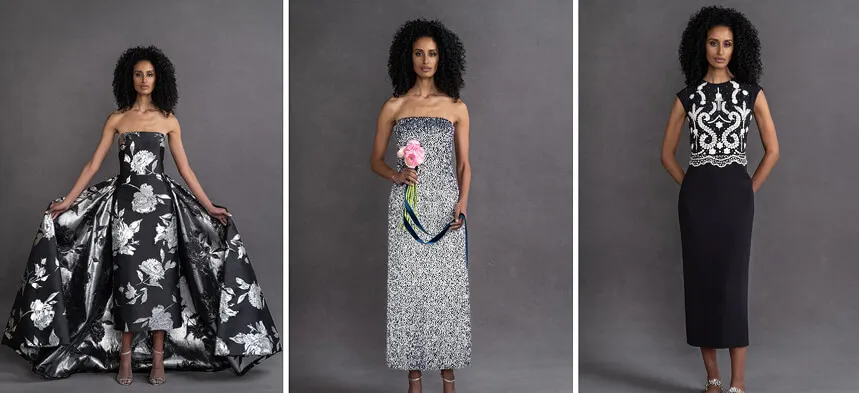
"In order to be irreplaceable, one must always be different." – Coco Chanel
Step aside, Paris and Milan — there's a new kind of fashion capital rising, and it carries the scent of oud, the shimmer of desert gold, and the legacy of civilizations that dressed with meaning long before fashion weeks existed.
From the ancient souks of Beirut to the sleek skyline of Dubai, the Middle East is no longer just a muse — it's a maker, an innovator, a trendsetter. Here, tradition doesn't inhibit creativity — it amplifies it. And today's Middle Eastern designers, beauty moguls, and influencers are stitching their culture into the seams of global fashion — fearlessly, and fabulously.
This isn't just a list of names — it's a movement. One where elegance has a story, embroidery has a soul, and modesty can be just as magnetic as a thigh-high slit.
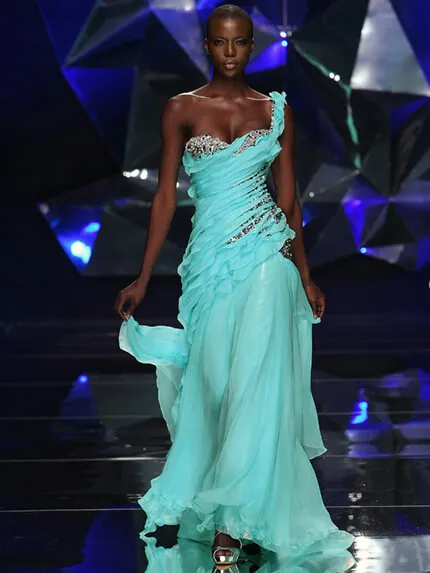
Abed Mahfouz — Instagram
Abed Mahfouz: The Artisan of Ethereal Elegance
With his beginnings in a small family atelier in Lebanon, Abed Mahfouz has become one of the region's most beloved couture storytellers. His gowns are known for their dreamy silhouettes, delicate beading, and a balance of structure and softness that feels like poetry in motion.
Where others seek drama, Mahfouz offers grace. His work speaks to the romantic, the refined, and the woman who sees fashion as an expression of both vulnerability and strength. For ALO readers, he's not just a designer — he's a master of quiet luxury.
Reem Acra: The Poet of Bridal Fantasy
Some designers craft dresses. Reem Acra crafts rituals.
Her bridal gowns don't just mark a moment — they define it. Drawing on her Lebanese heritage and love for storytelling, Acra's work channels the spirit of eternal celebration. Think delicate lace, architectural silhouettes, and a whisper of regal rebellion.
Acra's gowns have graced everyone from Halle Berry to First Ladies — making her a go-to for women who want to feel soft and strong, luxurious and loved. In the world of destination weddings, luxury unions, and high-society ceremonies, she is the secret ingredient.
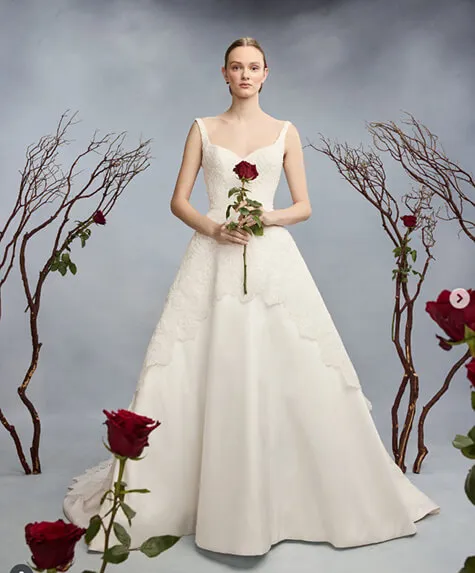
Reem Acra — Instagram
Zuhair Murad: The Fantasist of Fire and Stardust
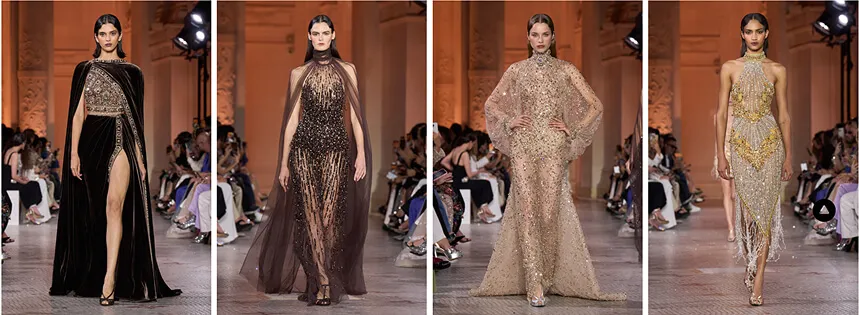
Zuhair Murad — Couture Fall 2025, Looks 45–48
If fashion is a fairytale, Zuhair Murad is its chief storyteller. His designs are not made for the faint of heart — they're made for the woman who commands the room before she even enters it. With roots in Lebanon and a flair for the otherworldly, Murad's creations are theatrical, sensual, and almost celestial in detail.
He blends ancient embroidery techniques with futuristic silhouettes, layering illusion tulle, baroque beading, and starburst motifs that shimmer like constellations. Whether it's Jennifer Lopez in a plunging gold gown or a bride gliding down the aisle in ethereal white, Murad ensures that every woman feels like myth incarnate.
"Drama, delivered with precision — Zuhair Murad doesn't just follow couture traditions. He expands them."
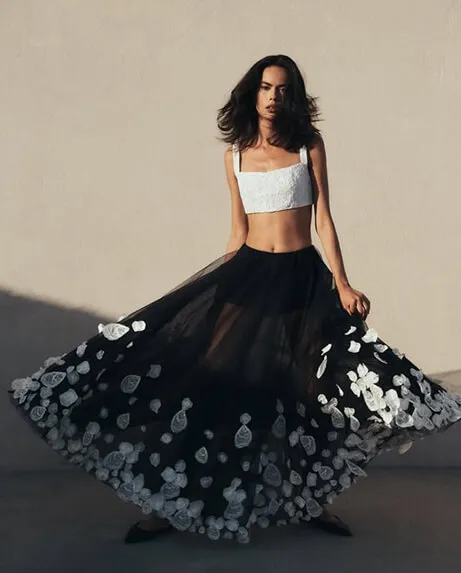
Razan Alazzouni — Instagram
Razan Alazzouni: Where Art Meets Ambition
His signature? Drama, delivered with precision. Zuhair Murad doesn't just follow couture traditions — he expands them, reminding us that fantasy and power can exist in the same breath.
Saudi designer Razan Alazzouni doesn't just design clothes — she sculpts them. With a fine arts background and a flair for the unconventional, her pieces flirt between couture and installation art. Bold florals, hand-stitched beadwork, and structured silhouettes define her look — each piece echoing modern Arab femininity: proud, powerful, and poetic.
She is the future of fashion diplomacy — fusing East and West, past and present. ALO readers who crave originality will find a kindred spirit in Alazzouni.
Huda Kattan: The Beauty Mogul That Changed the Face of Glam
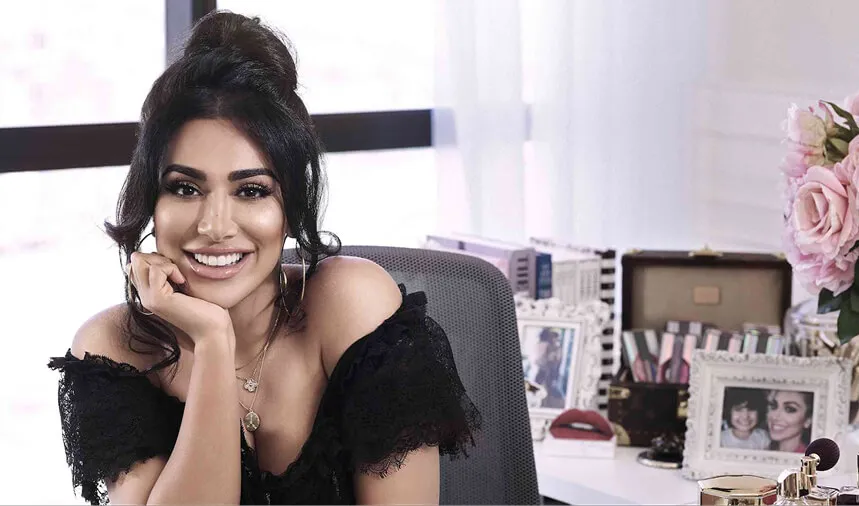
Huda Kattan — founder of Huda Beauty
Call her the contour queen. Huda Kattan, the Iraqi-American beauty mogul, turned a modest beauty blog into a billion-dollar empire. Her secret? She never played by the rules. She shattered them.
With Huda Beauty, she gave Arab women representation in global beauty conversations. But more than that — she gave the world permission to go bold. Bold brows, bold lips, bold identity.
Today, she's not just a beauty influencer — she's a fashion icon in her own right, redefining how the world views beauty from the Middle East. For the ALO audience that blends cosmopolitan lifestyle with cultural roots, Huda is both muse and mentor.
Farah Alhady: The New Face of Modest Chic
Kuwait's Farah Alhady is quietly revolutionizing modest fashion. Her Instagram is a diary of elevated simplicity — where neutrals, drapes, and structured layers meet elegance and edge. With her subtle, sharp eye for detail, Farah proves that fashion isn't about revealing — it's about revealing who you are.
She's collaborated with luxury houses, fronted major campaigns, and cultivated a following that spans continents. But her biggest impact? Showing that modesty can be magnetic, aspirational, and endlessly modern.
Spotlight on More Icons: Siriano, Kayrouz, Bazaza & Beyond
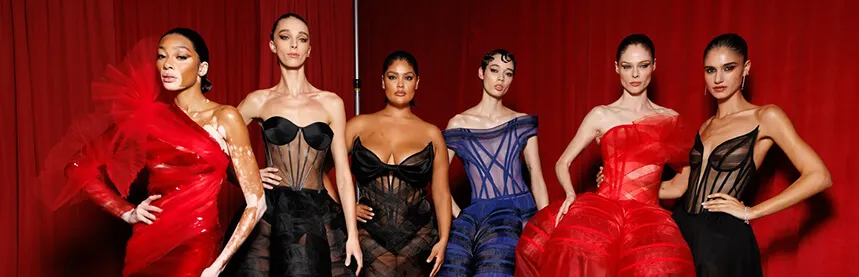
Christian Siriano — fearless elegance meets cultural dialogue
The fashion renaissance sweeping through the Middle East isn't led by one name — it's a constellation.
- Christian Siriano, though American, has celebrated Arab culture and collaborated with Middle Eastern creatives, redefining inclusivity with dramatic silhouettes and fearless elegance.
- Rabih Kayrouz bridges Parisian minimalism with Beirut's charm, offering ready-to-wear collections that feel architectural yet intimate.
- Hussein Bazaza brings storytelling to the runway with garments layered in mythology and meaning — his pieces are as cerebral as they are couture.
- Georges Hobeika elevates femininity to divinity, with gowns that glisten like starlight on the Mediterranean coast.
- Rami Al Ali, hailing from Syria, is a master of detail and drape, dressing royalty and red carpets alike with breathtaking modernity.
- Azzi & Osta, the dynamic Lebanese duo, blend vintage nostalgia with futuristic tailoring in pieces that feel cinematic and collectible.
Together, they don't just represent fashion — they represent a vision.
The ALO Takeaway: Fashion That Carries Meaning
To wear Middle Eastern fashion is to carry a piece of history reimagined. These designers aren't chasing trends — they're defining them through a lens of legacy, resilience, and reinvention.
At ALO Magazine, we celebrate that which is rooted and rare. And in today's world of fast fashion and digital overload, these creators offer something more: pieces with purpose, silhouettes with soul, and style that doesn't just turn heads — it turns pages in the cultural story of our time.
The future of fashion? It speaks Arabic, dreams in couture, and walks in the light of its own runway.
"To wear Middle Eastern fashion is to carry a piece of history reimagined."