










Supporting Artisanal Craftmanship and Traditional Techniques
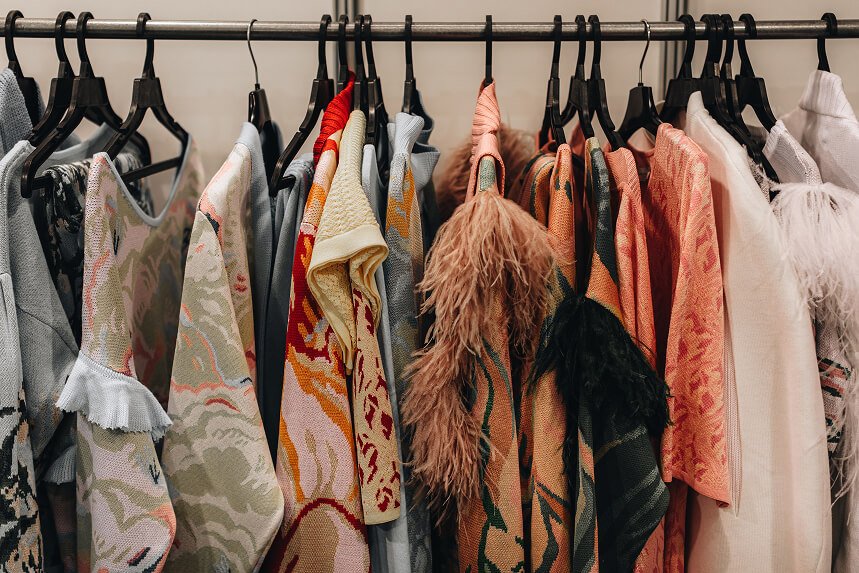
When I purchase a designer piece that catches my eye, what do I notice first? Quality. Craftsmanship. The silky, smooth textures of the fabric under my fingertips, the flow and liquidity of the garment as I move.
However, what is not quite as apparent at first glance is just how the garment was made. Who lent their hands to the threading, weaving, and embroidery? Did the fashion house ensure that ethical practices and fair wages were in place to protect the artisans? And were the garments made with sustainability at the forefront of the design? Although the answers to these questions typically remain behind the scenes, designers are becoming more transparent in the way they choose to present their brands to consumers who demand more than just fashion.
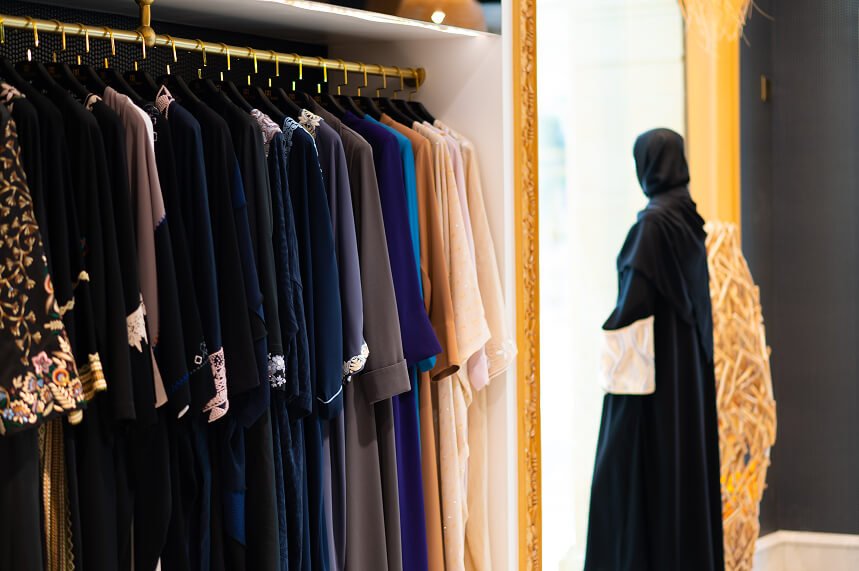
As the importance of sustainability continues to gain traction and awareness in the fashion industry, it is encouraging to see a return to the ancient practices that brought us to where we are today. Ornate weaving, beading, and hand-sewn embroidery. Raw materials such as cotton and linen. Plant-based natural dyes that add vibrant colors without chemicals or synthetics. While wearing the hottest couture labels, we can also become powerful advocates for sustainable manufacturing techniques, ethical labor practices, and fair living wages for hard-working artisans.
Together, we can make our voices heard by supporting luxury designers who are pledging to make a difference not only in what we wear, but in how our clothes are made.
The Problematic Rise of Fast Fashion
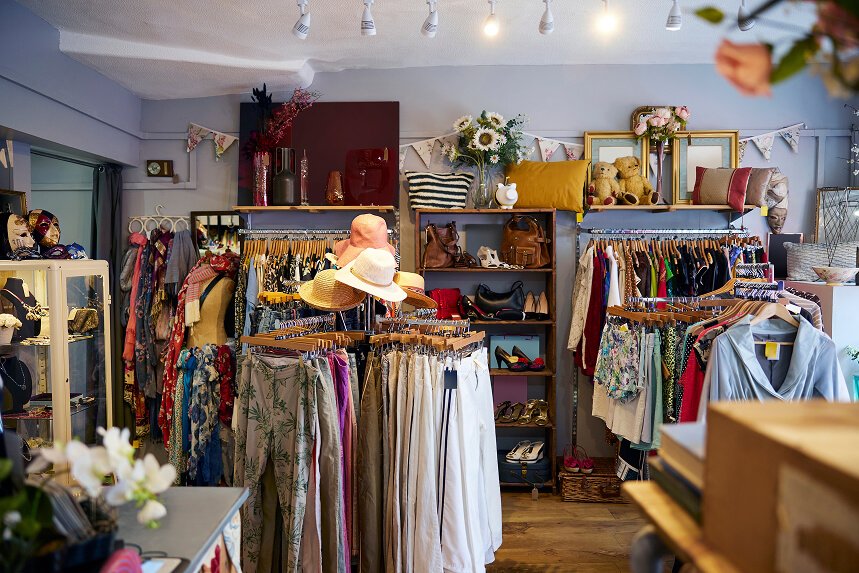
Unfortunately, the climate of “fast fashion” has given consumers access to affordable clothing that is often of low durability and poor quality. At these fast fashion operations, there are no signs of artisanal craftsmanship or handcrafted designs, as these have been replaced by the “turn and burn” mentality of selling low-quality items to the masses. In turn, the resulting castoffs have led to an excessive amount of unnecessary waste and environmental chaos.
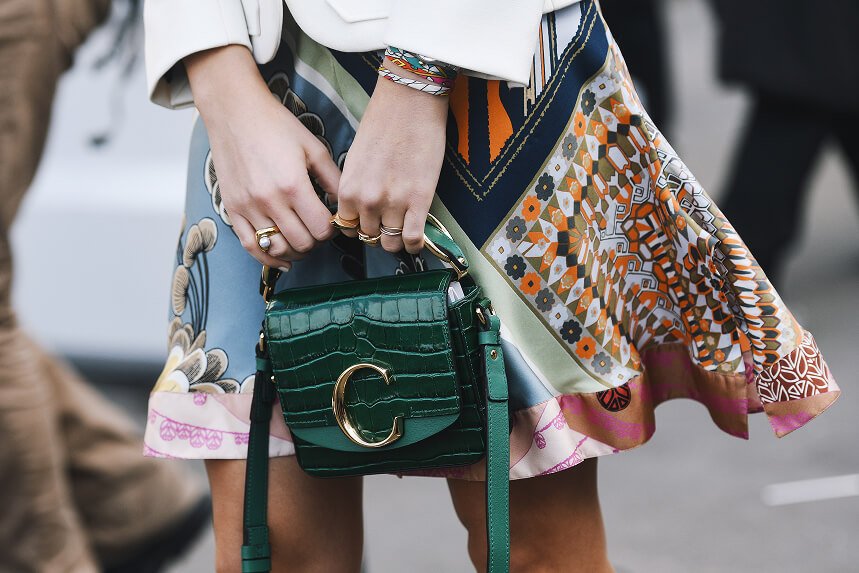
To help offset the wastefulness accelerated by consumer overconsumption, luxury brands and high-fashion conglomerates are developing their sustainability missions to create much-needed change.
In 2021, LVMH launched Nona Source, the very first online platform for resale of deadstock materials collected directly from the group’s fashion brands, including Louis Vuitton, Dior, and Givenchy. Chloé Craft is another initiative developed by luxury fashion house Chloé, providing unique and environmentally friendly clothing and accessories handcrafted by independent artisans around the world.
The Issue of Synthetic Fabrics
Today’s mainstream fashion industry also leans heavily on synthetic fabrics like polyester and nylon, petroleum-derived materials that not only shed microplastics into our oceans but also fail to break down, polluting landfills for generations. In contrast, many Middle Eastern and North African (MENA) traditions utilize natural, renewable materials such as Egyptian cotton, silk, wool, and linen, as well as desert-grown plant fibers like agave and palm. By choosing garments made from these heritage textiles, designers and consumers alike can reduce the environmental toll of fashion while preserving a rich artisanal heritage.
Sustainability Trailblazers With A Purpose
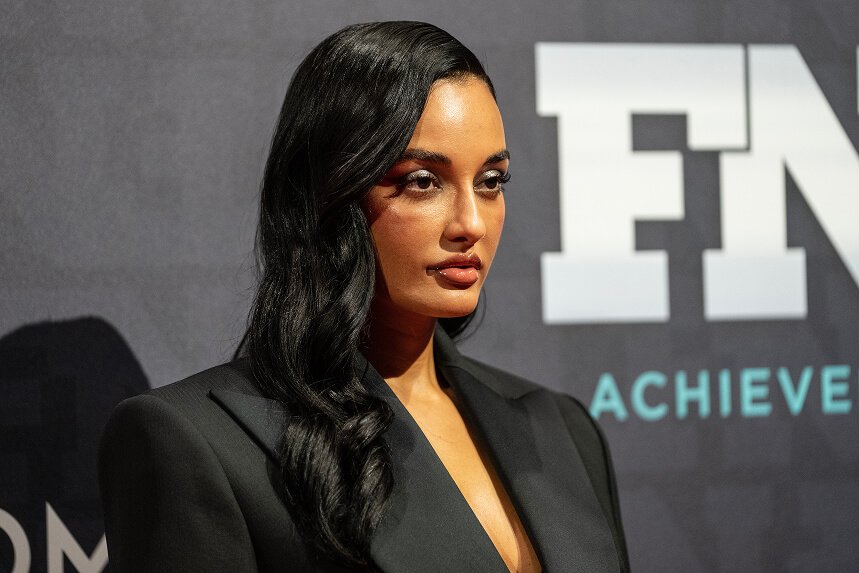
Now, haute couture industry trendsetters are taking their cue from this “fast fashion fatigue”, with a commitment to reimagining Middle Eastern craftsmanship with a focus on sustainability, looking to artisans of the past to help shape the future. These fierce and fearless designers are leading the charge to a zero-waste future that is 100% in style.
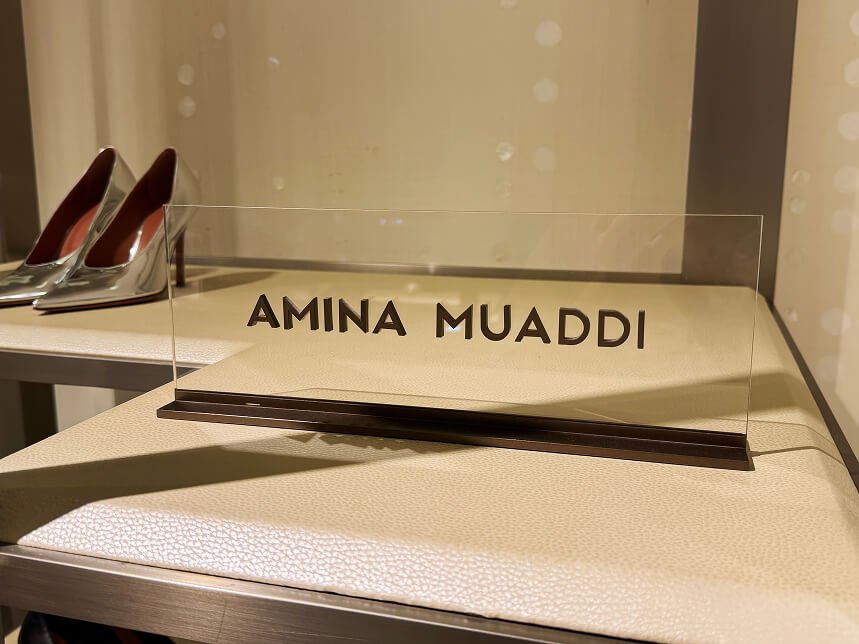
Jordanian-Romanian designer Amina Muaddi is a strong advocate for utilizing sustainable practices in her flourishing luxury fashion brand, which brings innovative Middle Eastern-inspired shoe designs to fashion-savvy and eco-conscious shoppers.
Her approach to creative design and brand development represents the opposite of modern-day “fast fashion”.Muaddi values creating sustainable products with true longevity, which come with a premium price tag, but can be enjoyed by the wearer for many years to come.
Muaddi also strives to give talented artisans a chance to shine and has made it clear where she stands on the value of learning from true artisans. As her brand continues to grow and expand, she intends to mentor and develop future artisans so that the finest Middle Eastern techniques will be sustained as the fashion industry evolves.
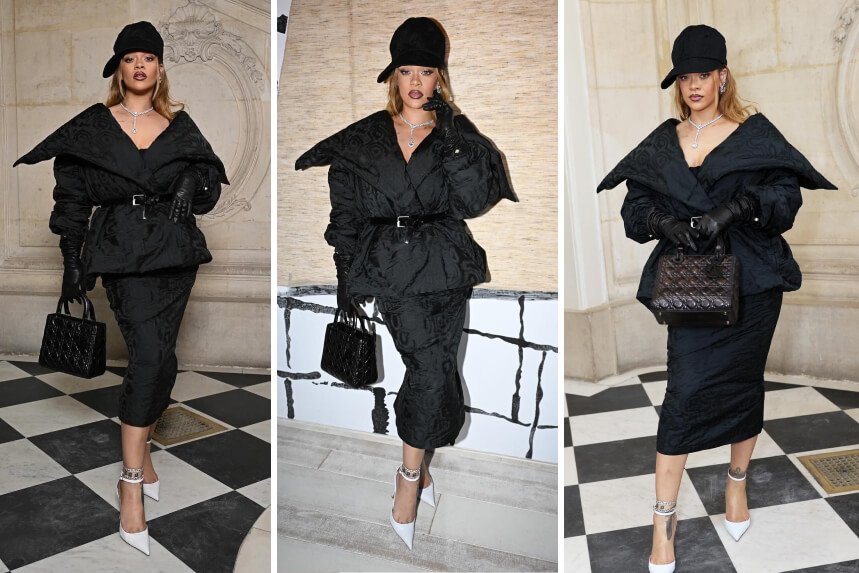
Credits: @aminamuadd on Instagram