














The Middle East has long been the cradle of some of the world’s most enduring narratives, from the epic verses of ancient poetry to the enchanting tales of *One Thousand and One Nights*. Today, a new generation of creators is honoring this rich heritage while pushing the boundaries of contemporary expression. They are blending traditional themes with modern realities, leveraging digital platforms to share complex stories and bridge cultural divides.
This is more than just a modernization of narrative; it’s a cultural renaissance. Middle Eastern storytelling is moving beyond generalized narratives to explore nuanced identities, challenging stereotypes, and offering profound insights into the region’s dynamic social landscape.
The New Literary Wave: Books as Cultural Bridges
Contemporary Middle Eastern literature is characterized by its willingness to explore themes of identity, displacement, and the often-fraught intersection of tradition and modernity. These authors are not just writing for a regional audience; their works resonate globally, offering a deeper understanding of the Middle Eastern experience.
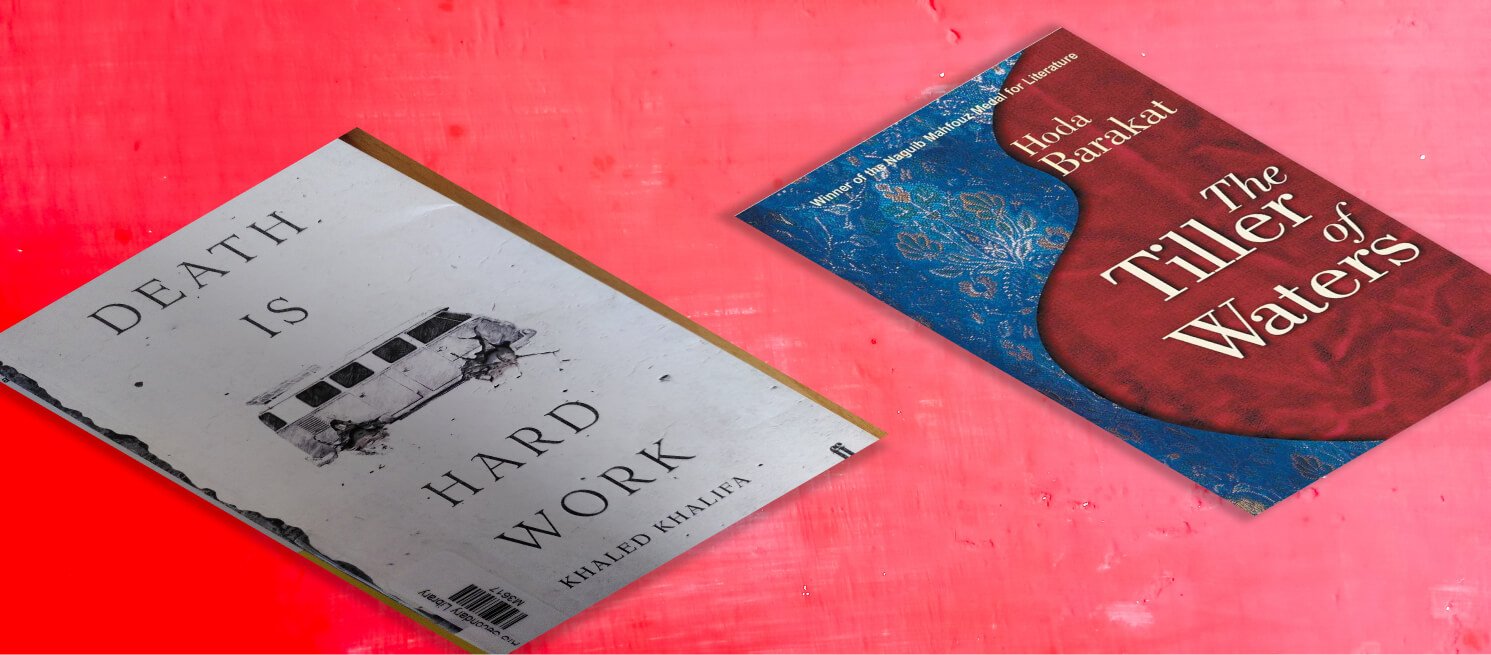
From the Levant, authors are offering powerful perspectives on the complexities of life in a region marked by resilience and conflict. Hoda Barakat, a prominent Lebanese writer, often explores the psychological impact of the Lebanese Civil War in her works. Her novel *The Tiller of Waters* delves into the hidden lives and emotional landscapes of individuals living in a war-torn environment.
Syrian authors are also providing essential documentation of the experiences within their country. Khaled Khalifa, an acclaimed Syrian novelist, captures the human cost of the Syrian conflict in works like *Death Is Hard Work*, a moving narrative about a family’s perilous journey to bury their father.
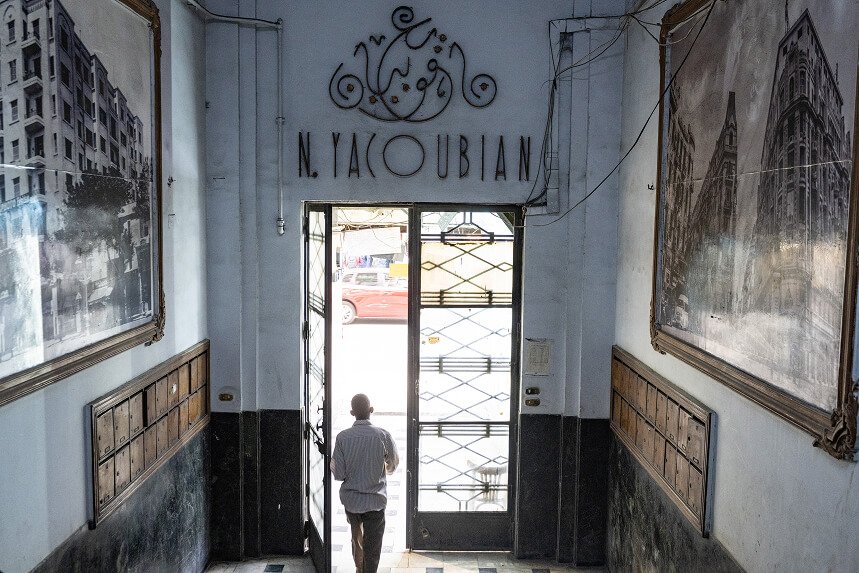
Cairo, Egypt. April 8th2025. The lobby of the original Yacoubian Building, the setting for the novel by Egyptian author Alaa-Al-Aswany that has since been made into a movie and TV series.
Egyptian literature continues to be a cornerstone of Arab storytelling, with contemporary writers building on the legacy of Nobel laureate Naguib Mahfouz. Alaa Al Aswany’s *The Yacoubian Building* offers a scathing and insightful look at modern Egyptian society through the inhabitants of a single Cairo apartment building, addressing themes of corruption, political disillusionment, and changing social values.
Ahmed Mourad introduces a more contemporary, often surrealist twist to Egyptian fiction. His novel *The Blue Elephant* blends psychological suspense with elements of the supernatural, captivating a new generation of readers with a cinematic style and exploration of complex human relationships.
Diaspora Perspectives: Bridging Worlds
The Arab American diaspora in the USA is a particularly vibrant space for cultural blending. Writers here often explore the multifacetedness of identity, negotiating the hyphen between their heritage and their American lives.
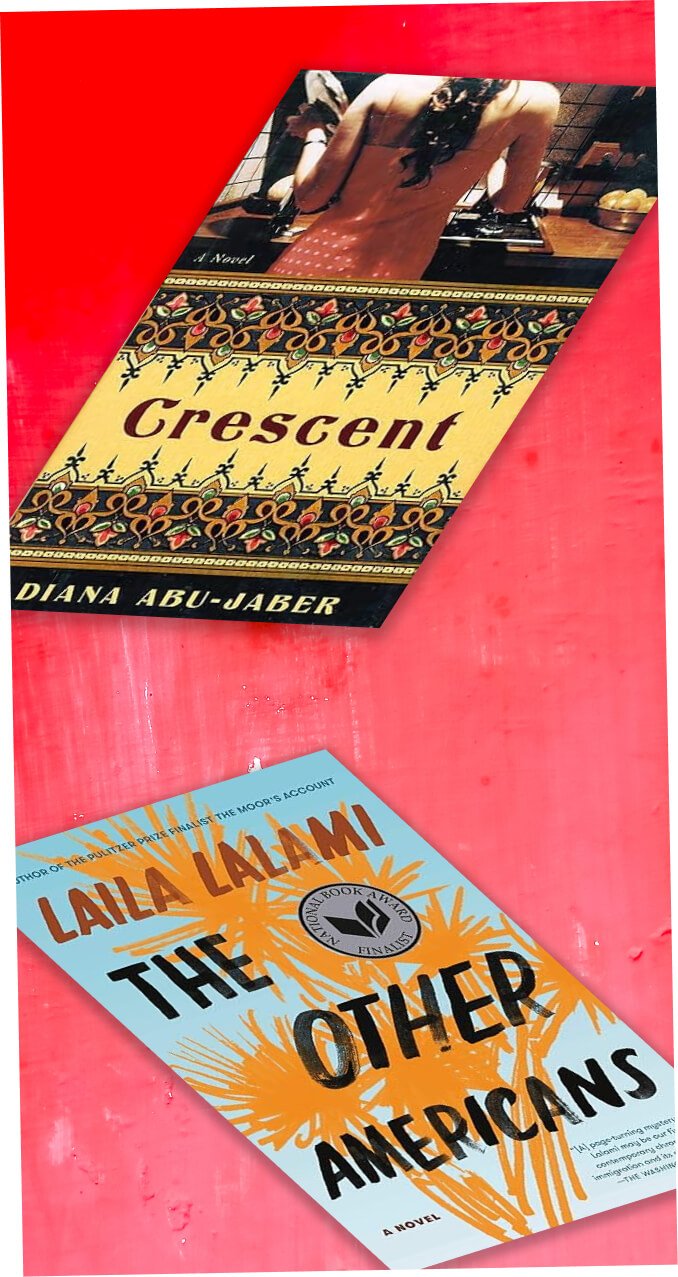
Authors like Diana Abu-Jaber (of Jordanian and American descent) explore this intersection with nuanced humor and introspection. Her novel *Crescent* examines the relationship between food, identity, and cultural memory. Laila Lalami, a Moroccan-American author, has garnered acclaim for works like *The Other Americans*, which delves into the complexities of immigration, race, and belonging in the United States.
The publishing landscape is also evolving. Initiatives like “Literature Everywhere” in Saudi Arabia are making literary content, including podcasts and short stories, freely available in public spaces through QR codes, democratizing access and engaging a broader audience with diverse forms of storytelling.
The Intimacy of Sound Podcasting and the Power of Dialogue
Podcasting has emerged as a crucial platform for sharing diverse perspectives from the Middle East, offering an intimate medium for dialogue that bypasses traditional gatekeepers. Audio allows creators to discuss complex cultural, political, and literary topics with nuance and immediacy.
One notable example is BULAQ (بولاق), a podcast co-hosted by Ursula Lindsey and M Lynx Qualey. It focuses specifically on Arabic literature in translation, providing in-depth analysis of contemporary writing from the MENA region. BULAQ serves as an essential bridge for Western audiences seeking to engage with Middle Eastern literary voices.
Another key platform is The Afikra Podcast, dedicated to cultivating curiosity about the histories and cultures of the Arab world. The podcast frequently features interviews with authors and experts, fostering intellectual engagement and celebrating the rich tapestry of Arab heritage.
Podcasts like Kerning Cultures specifically aim to dissect traditional media narratives about the Middle East, telling stories that reflect the depth and richness of the region through personal accounts and investigative reporting. Additionally, the podcast “Levantine Arabic, made easier” by Carol Haidar, offers bilingual stories that touch on love, travel, food, and culture, demonstrating how the medium can be used for both language learning and cultural immersion.
Diaspora Podcasting Exploring the Hyphenated Identity
Podcasts produced within the US diaspora offer specific insights into the Arab American experience. “Americanish: Daughters of Diaspora”, for instance, co-hosted by Adela Cojab (Syrian-Lebanese Mexican Jew) and Mariam Wahba (Egyptian Coptic Christian), explores what it means to be “American-ish” in a socially and politically charged environment. These conversations tackle identity, cultural heritage, and the challenges faced by young Arab Americans.
The digital sphere is rapidly transforming how stories are created and consumed in the Middle East. Social media platforms, mobile apps, and innovative content formats are enabling rapid storytelling, particularly targeting younger, digitally native audiences.
Platforms like Instagram and TikTok are not just for entertainment; they are vital spaces for visual storytelling and cultural expression.

Independent creators and established media networks are leveraging these platforms to create short, impactful narratives.
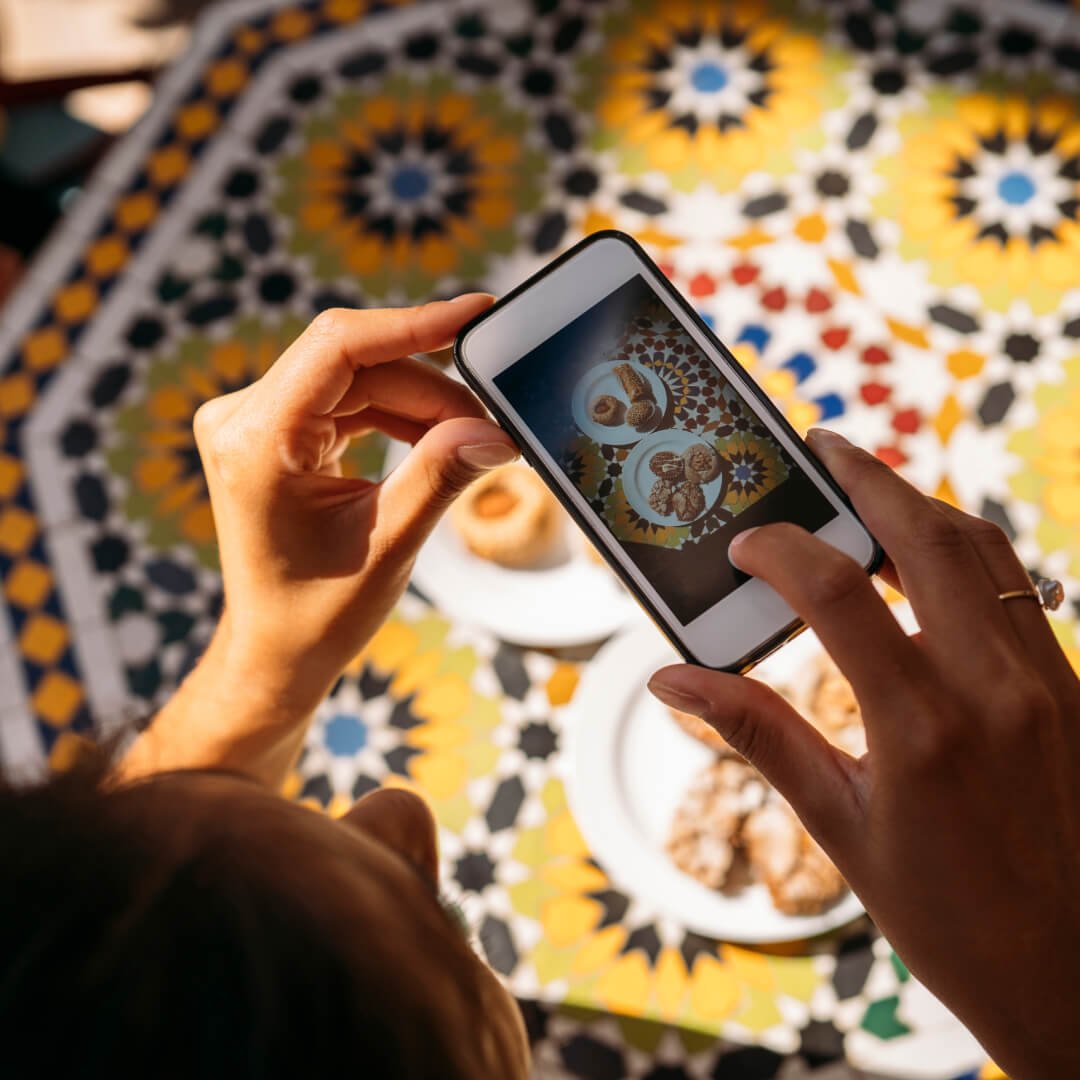
A significant innovation is the rise of “micro-drama.” The platform “Scene,” for example, delivers one-minute, vertical episodes designed for a “fast-scrolling audience.” This approach adapts storytelling to modern consumption habits, making complex narratives digestible and engaging for mobile users while featuring both established celebrities and rising stars.
Additionally, the integration of Augmented Reality (AR) is creating immersive cultural experiences. Some initiatives are utilizing AR in hotels and cultural sites to enhance visitor experiences. For example, the Qasr Al Sarab Desert Resort in the UAE uses AR-enabled devices to allow guests to explore the surrounding desert’s rich heritage, viewing traditional Emirati architecture and engaging with virtual guides that showcase local wildlife and ancient traditions.
A Global Connection
The evolution of Middle Eastern storytelling is a testament to the resilience and adaptability of the region’s creators. By blending traditional knowledge with digital innovation, they are not only preserving their heritage but also actively shaping the global cultural narrative. The stories emerging from the Middle East today are dynamic, diverse, and fundamentally interconnected with the world.