


The Enduring Influence of Middle Eastern Design on Modern Couture
Think about the last time you saw a style statement that simply took your breath away. Was it a basic black dress? Was it a classic nude pair of stilettos? A handbag in a neutral color palette? Although these are certainly fashion staples that every woman needs in her closet, we can all agree that they are not necessarily fashion-forward.
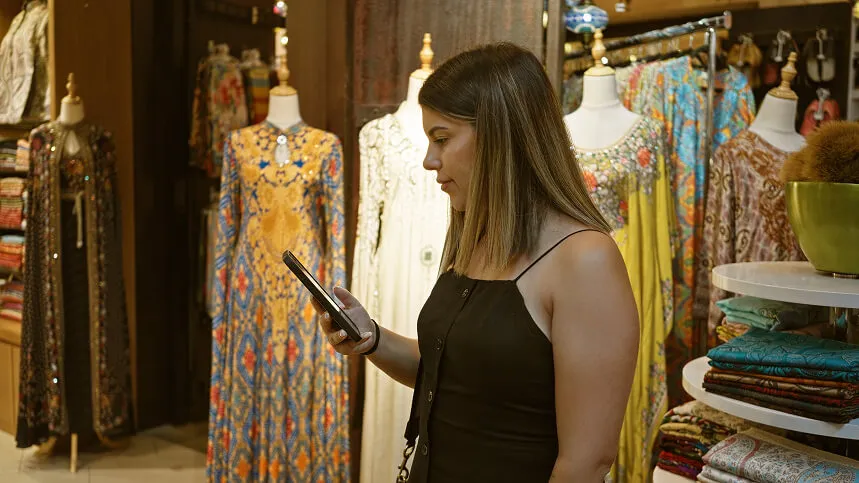
When it comes to modern-day trends, it's the daring patterns, vibrant colors, and sumptuous textiles that really get heads turning and tongues talking. And the origins of many sophisticated patterns and textiles are squarely rooted in the ancient civilizations of Arabic culture.
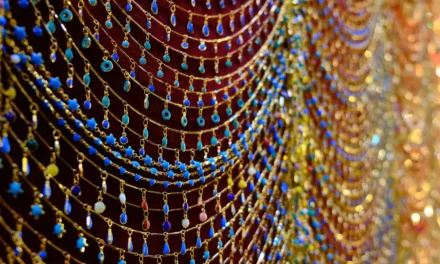
Traditional artisans were focused on creating beautiful, durable, and high-quality garments, using organic fabrics such as cotton and linen, and gorgeous raw silk, chiffon, and crepe. These fine textiles and light, breathable designs were ideal for the hot and dry Arabic climates, and were used to make garments such as abayas, kaftans, and hijabs. Textiles were also hand-dyed and hand-sewn, typically adorned with elaborate embroidery, intricate golden threads, and vibrant patterns.
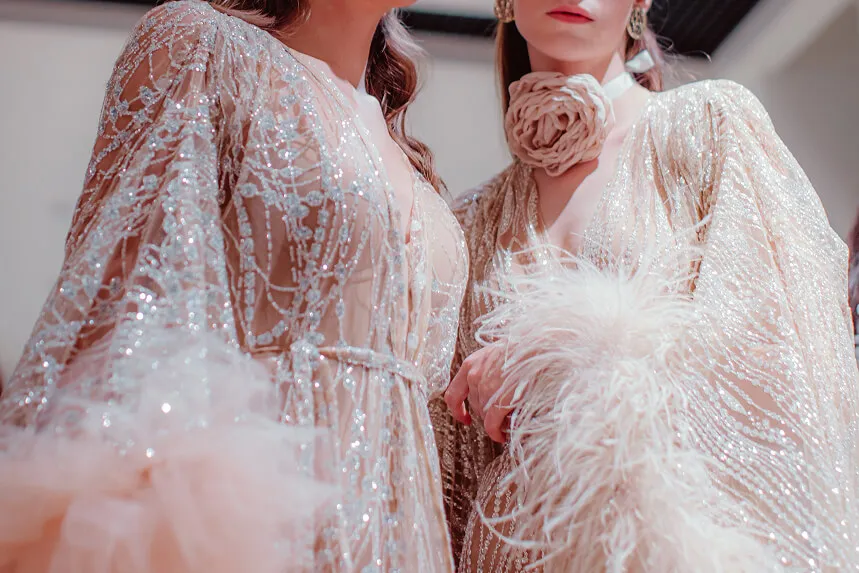
The artisanal legacy of Middle Eastern textiles — hand-dyed, hand-sewn, hand-embroidered
By digging deeper into the history behind Middle Eastern textiles and patterns, we can discover how the past is undeniably woven into the present and the future.
Middle Eastern Textiles: A Fascinating Artisanal Journey
Each Arab region has brought its own signature traditions and techniques to the world of artisanal craftsmanship, ultimately influencing the 21st-century fashion industry in a great number of impactful areas. The Mesopotamians, for example, used ornately woven textiles to symbolize wealth, prosperity, and status, while the Egyptians introduced the art of pleating and brought forth widespread use of lightweight fabrics such as linen.
The city of Damascus, the largest in Syria, was not only a flourishing hub of fine silk production but also manufactured damask fabric to enrobe wealthy women of Syria in regal and elegant gowns. Palestinians have also made their mark with their intricate embroidery techniques, otherwise known as tatreez, each thread woven into a story that reflects symbolism, meaning, and heritage.
Throughout history, these ancient civilizations have had a direct impact on the evolution of Middle Eastern fashion. And lucky for us, these time-tested traditions have paved the way for modern designer clothing seen in luxury boutiques around the world. Some of these major fashion designers have graced red carpets globally, such as Zuhair Murad, Georges Hobeika, and Elie Saab, whose exquisite creations frequently echo the opulence and artistry of their heritage.
Georges Hobeika — the opulence of heritage on the global red carpet
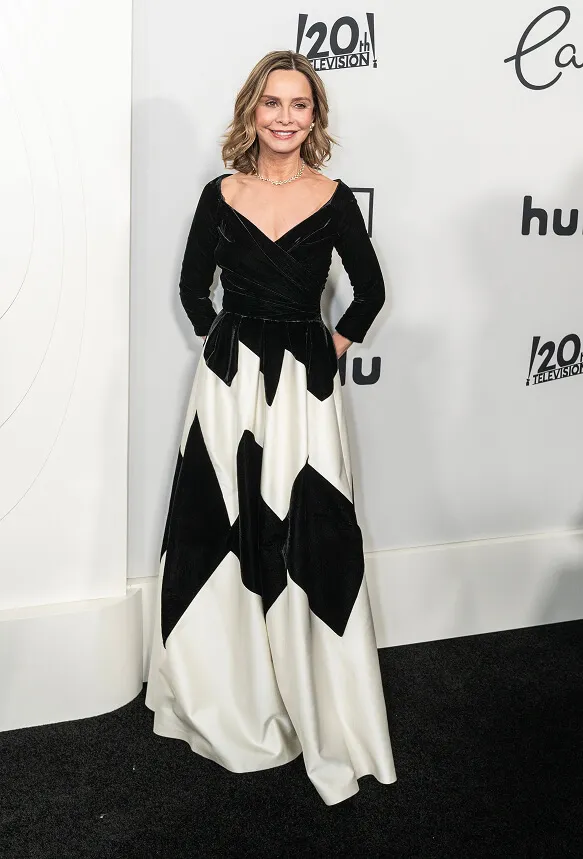
Zuhair Murad — where ancient artistry meets contemporary glamour
"These time-tested traditions have paved the way for modern designer clothing seen in luxury boutiques around the world."
Geometry As Fashion
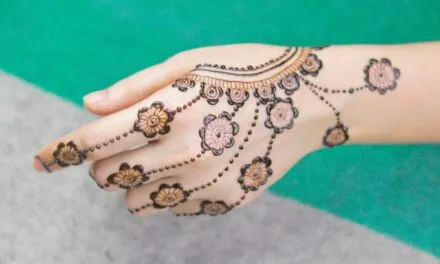
The use of mysterious and intriguing geometric patterns in art, ceramics, pottery, and tapestries dates back to the 9th century, as early artisans began experimenting with geometric shapes such as stars, circles, squares, and lozenges. As the use of geometric patterns increased throughout the centuries and became integral in expressing cultural and spiritual significance, the complexity of the patterns evolved to include 6-point, 13-point, 14-point, and 16-point stars.
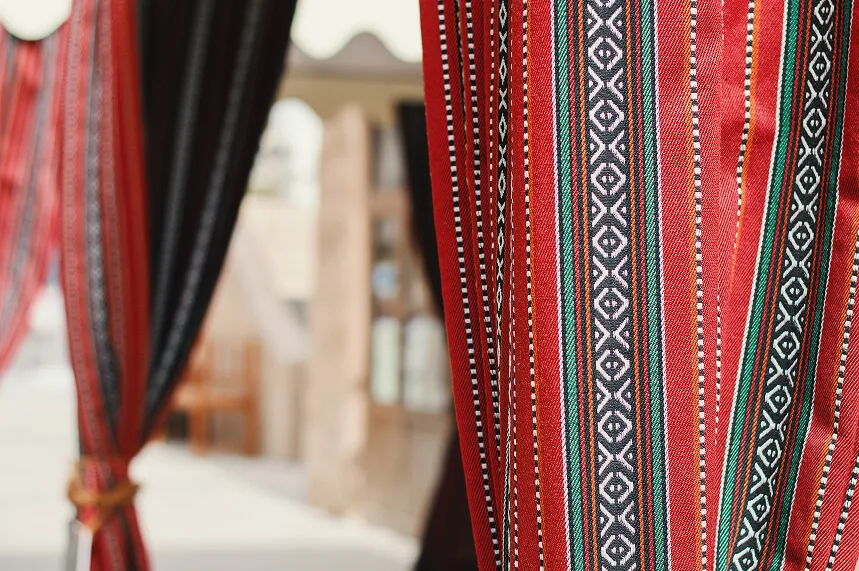
Geometric patterns — from 9th-century artisans to 21st-century runways
These ancient displays of creativity were heavily influenced by the Islamic belief in aniconism, which prohibits the depiction of living creatures in artwork. Therefore, early Islamic artists turned to bold, colorful designs with complex geometric shapes, bright florals, and calligraphy, often represented by the arabesque technique of creating rhythmic, repeating, or scrolling patterns.
Putting Culture Back Into Couture
Today, luxury brands are reinventing the concept of global fusion, with brands such as Christian Dior, Valentino, Prada, and Gucci catering to a wider clientele, often with a wide budget to match. Their modern collections have infused a welcome twist into the fashion industry, seamlessly merging modest Middle Eastern trends with high-fashion concepts.
Elie Saab
A glance at Elie Saab's 2025 Spring/Summer Collections reveals cocktail dresses with enchanting floral appliqués, loosely flowing trousers with scrolling patterns and floral prints, and jaw-dropping gowns with modest necklines and the glimmering elegance of beaded embroidery. For example, his collection often features pieces where intricate beading and flowing silhouettes recall the grandeur of traditional Middle Eastern ceremonial attire.
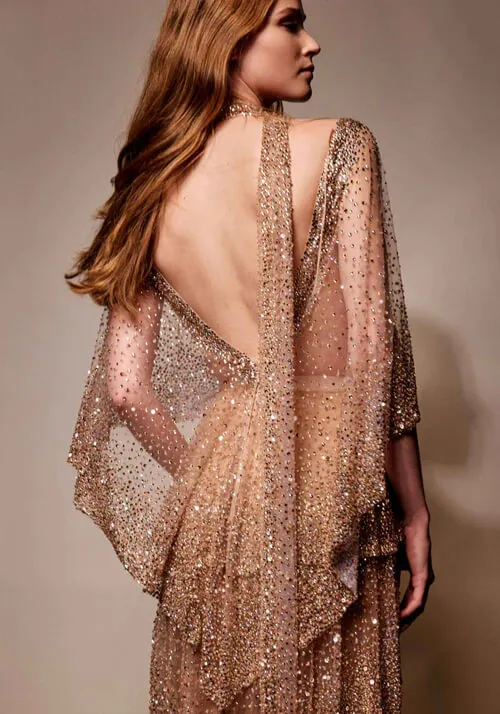
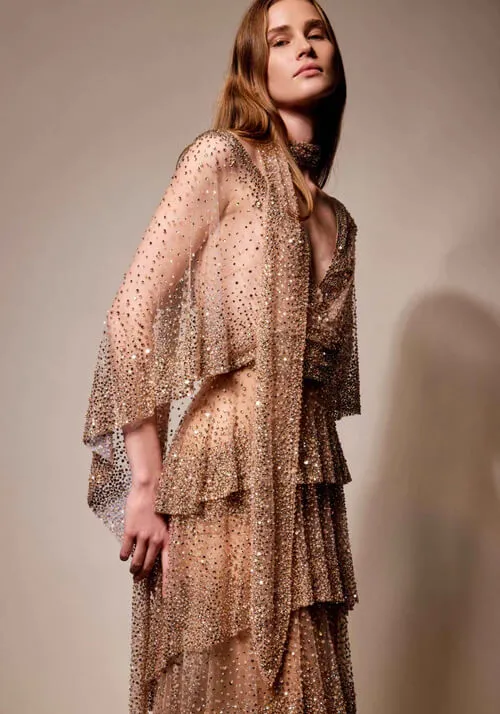
Elie Saab — Spring/Summer 2025 Haute Couture Collection
Dior
The Dior Capsule Collection 2025 was a resounding success, with each piece constructed of luscious fabrics such as silk and tulle, and of course, the glimmer of golden hues and opulent metallic sheen that is synonymous with chic Arabic style. Think Middle Eastern tradition with a twist of innovation.
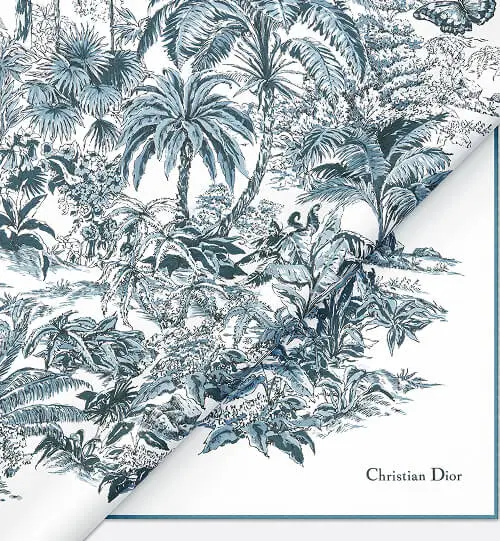
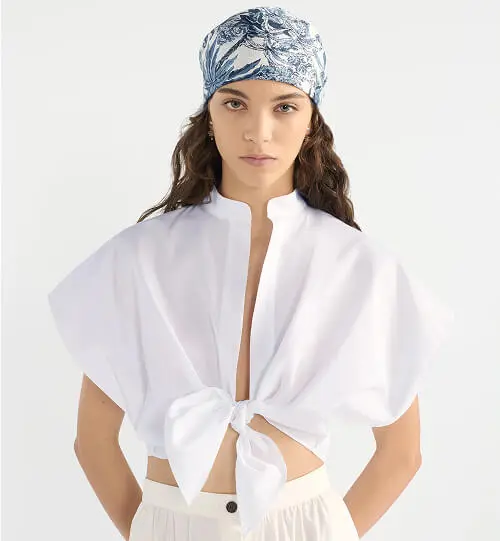
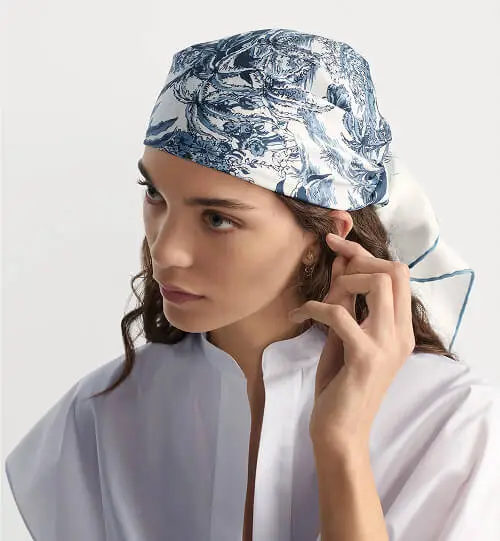
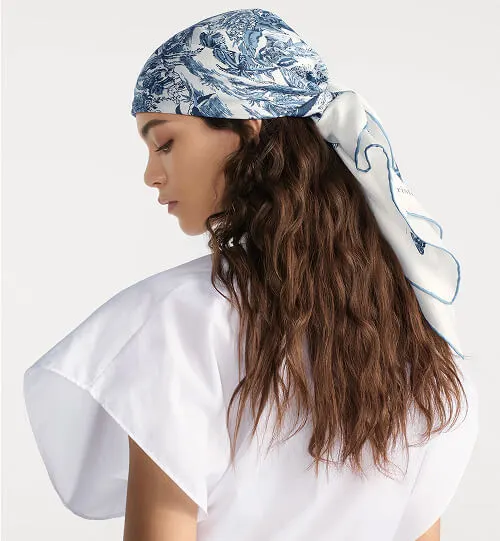
Dior Capsule Collection 2025 - silk, tulle, and the shimmer of desert gold
Gucci
Gucci's 2025 Nojum Collection was timed to coincide with Ramadan, highlighted by dazzling designs that add feminine whimsy and romance with ethereal silk and elegantly draped crepe georgette. These coveted couture pieces feature sophisticated earthy neutrals, modern floral patterns, and romantic blush tones, representing the juxtaposition of sand and sky, and revealing a chic desert palette with a splash of iridescence.
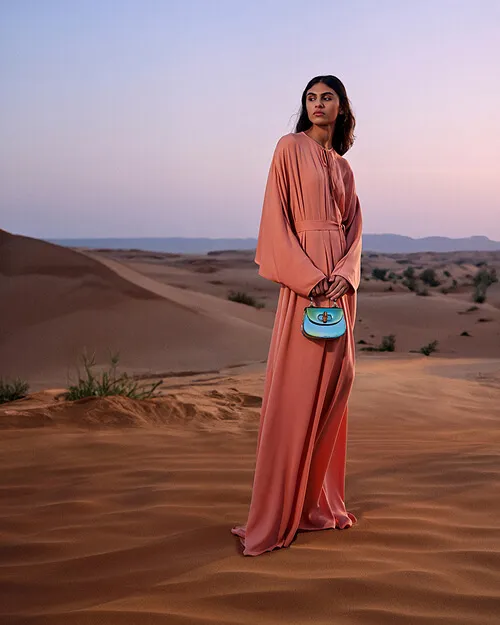
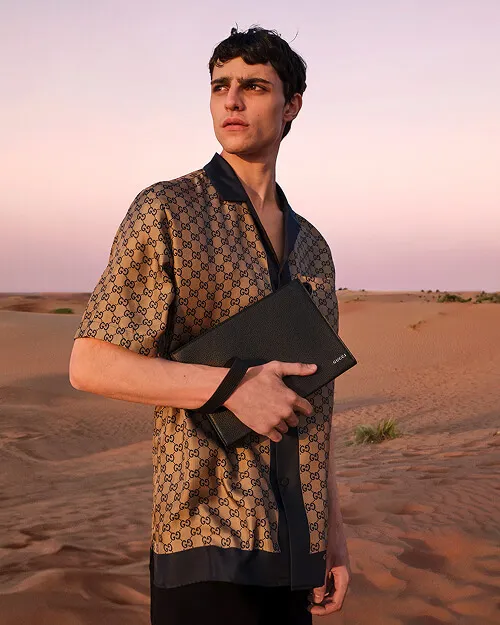
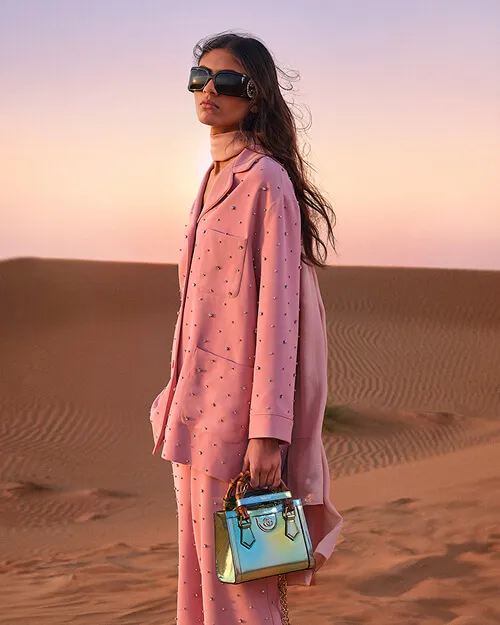
Gucci Nojum Collection 2025 — sand and sky, blush and iridescence
These elegantly flowing silhouettes with supple liquidity and seamless movement are in high demand, and the modern crop of luxury brands is doing their part to ensure the time-honored traditions of the Middle East are preserved for centuries to come. The fusion of ancient artistry with contemporary design truly defines the new landscape of luxury fashion, inviting us all to appreciate the rich tapestry of global influences.
"The fusion of ancient artistry with contemporary design truly defines the new landscape of luxury fashion."