







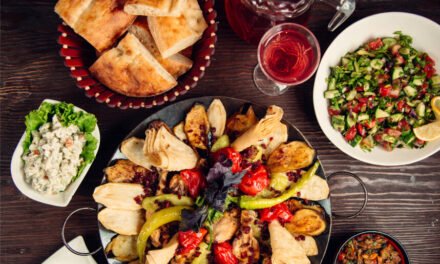







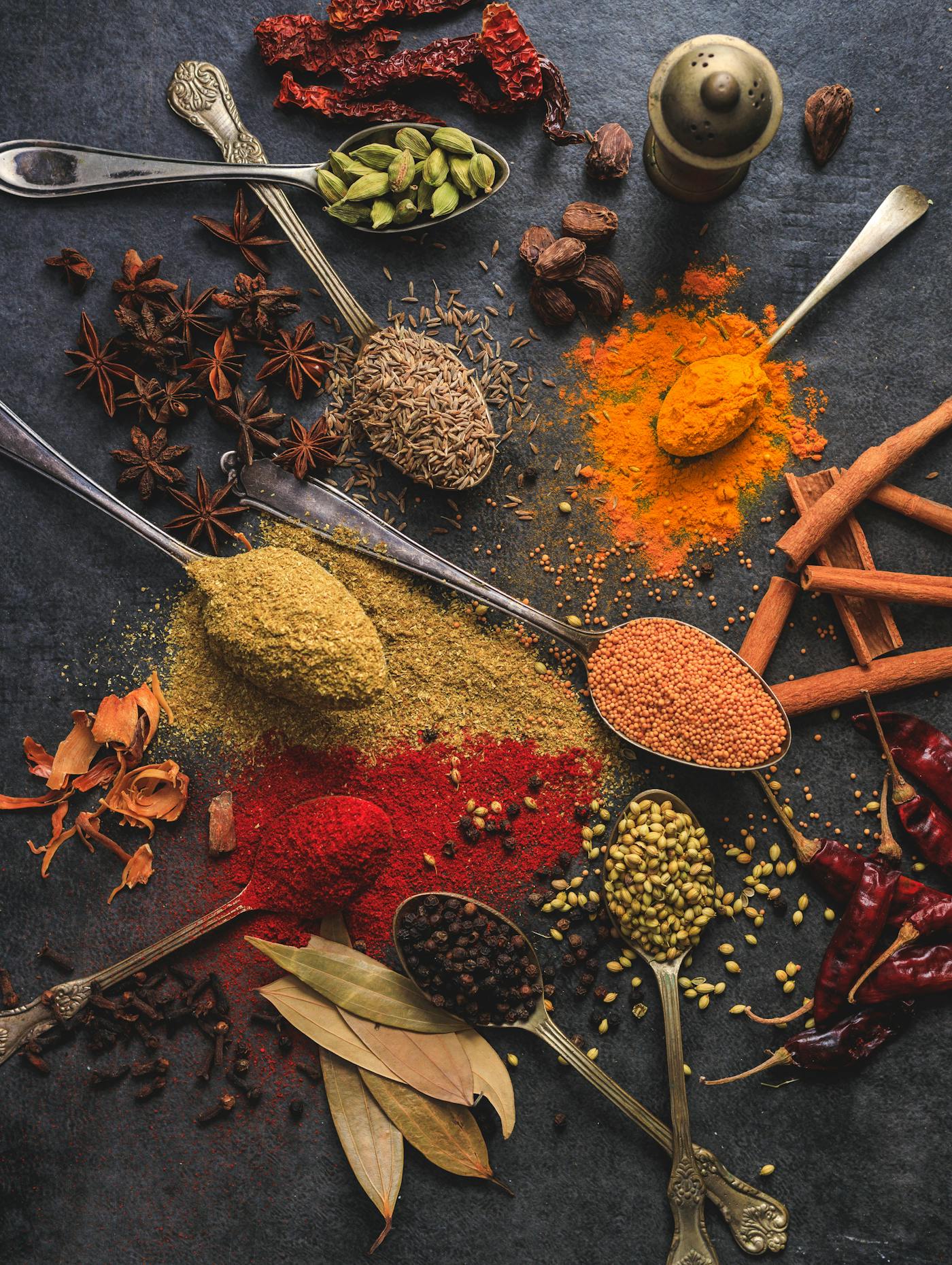
The scent hits you first — a complex, intoxicating blend of toasted cumin, fresh mint, and the ancient, smoky aroma of burning frankincense. It's the signature fragrance of the Middle East, a region where cuisine is not merely sustenance, but the very language of heritage and hospitality.
To travel here is to embark on a journey "back to our roots," to a place where civilizations first mastered agriculture and perfected the art of the feast. Forget the hurried dining of the West; in this cradle of civilization, every meal is a conversation, a ritual, and a profound connection to the land.
The Levant: The Heart of Hospitality
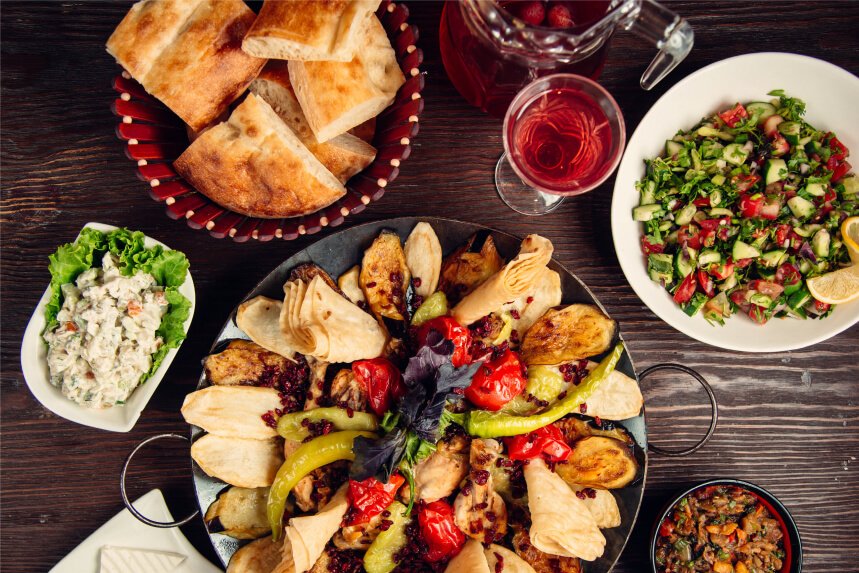
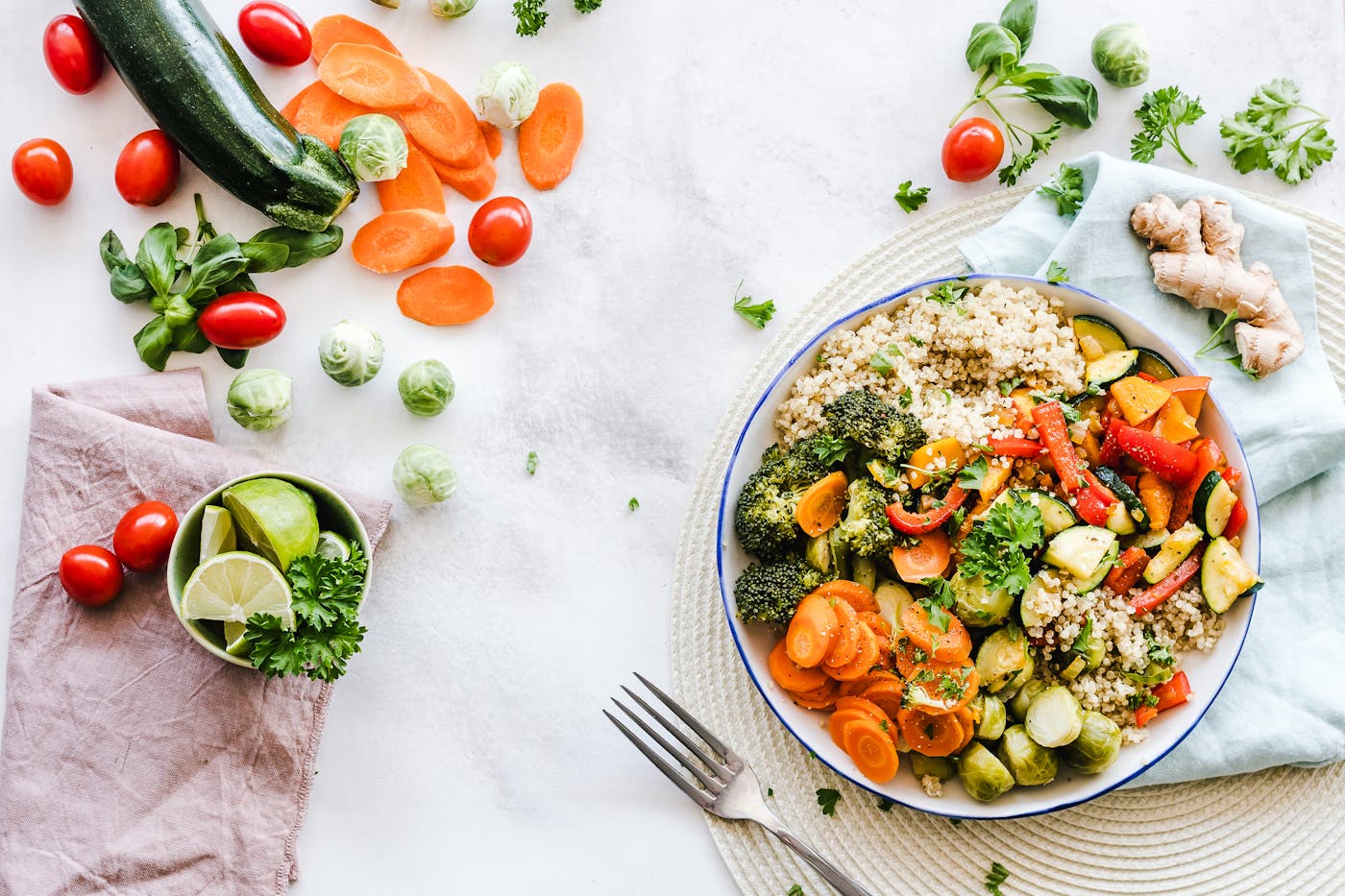
In the Levant — a historically rich swath encompassing modern-day Lebanon, Syria, Jordan, and Palestine — the philosophy of dining revolves around Mezze. This is not simply an appetizer course; it is an elaborate, communal art form. Mezze is a celebration of abundance, where tables are laden with dozens of small dishes reflecting the freshness of the Mediterranean climate.
Dining here is a slow, multi-act performance. The vibrant colors of Tabbouleh, the smoky depth of Baba Ghanoush, and the creamy perfection of Hummus are presented with a flourish, inviting guests to linger and share. The focus is on the freshest ingredients — the finest olive oils, the sharp tang of sumac, the aromatic blend of za'atar.
Before diving into fine dining or cooking classes, sample mezze from local street vendors or small, family-owned cafés. These casual spots often serve the most authentic versions of dishes like mutabbal or muhammara, where the recipes haven't changed in generations.
Experiences in the Levant:
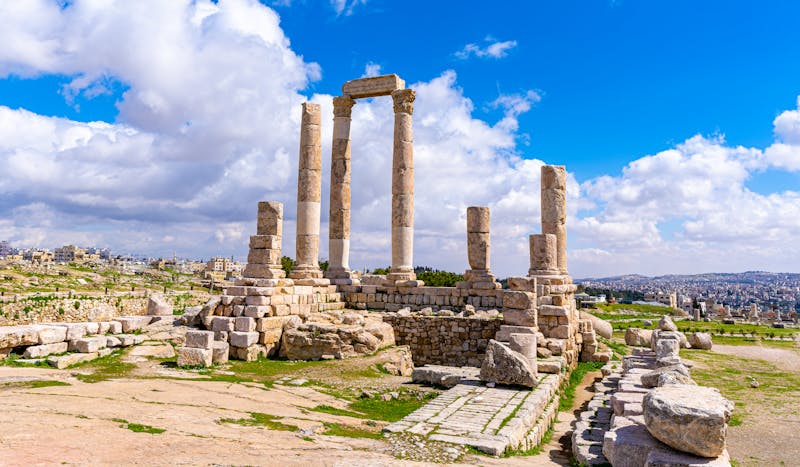
For an immersive, high-end experience, culinary travelers can seek out authentic cultural immersions. Consider a traditional "cook-and-dine" session at Beit Sitti in Amman, Jordan. Located in one of the city's oldest neighborhoods, this acclaimed venue offers hands-on cooking classes in a grandmother's home, preserving authentic Arabic dishes and providing a deep dive into local culture.
In Beirut, the culinary journey deepens through private cooking classes offered by local families. These exclusive sessions allow travelers to step into a traditional Lebanese home and learn the meticulous preparation of dishes like stuffed grape leaves or rich kibbeh, followed by a shared feast. It is an intimate look at the region's hospitality, moving beyond restaurant dining to the heart of the Levantine kitchen.
For refined Lebanese cuisine, Amman also offers sophisticated options such as Fakhreldin Restaurant with its elegant ambiance and charming garden terrace, or Burj Al Hamam, located within the Intercontinental Hotel, known for its luxurious dining and authentic flavors.
While Michelin Guide recognition is currently limited in the Levant, certain restaurants have received acclaim and recognition for their exceptional standards. In Dubai, Bait Maryam, a Levantine restaurant specializing in Palestinian-Jordanian cuisine, has received a MICHELIN Guide Bib Gourmand and the Welcome and Service Award for its authentic flavors and warm hospitality.
Before your cooking class or dinner reservation, visit a neighborhood produce market (souq) with a local. You'll gain insight into the daily rhythms of the community and understand how freshness drives Levantine cuisine.
Where to Stay in the Levant
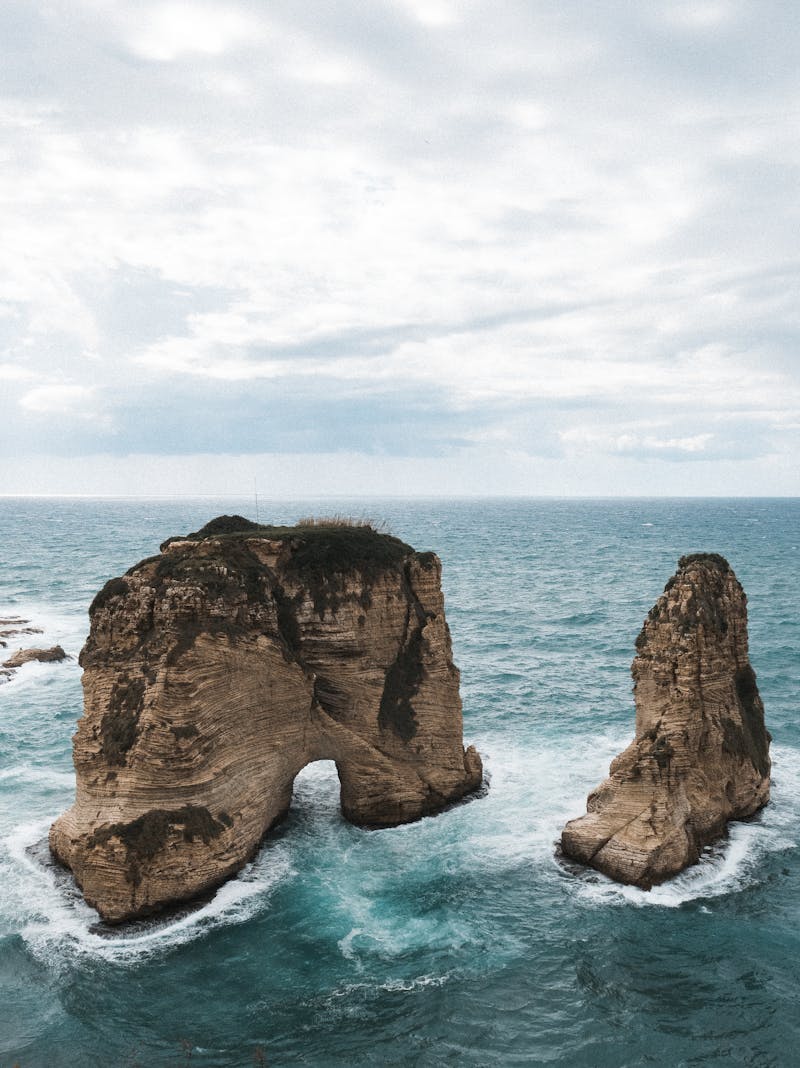
For the discerning traveler, Beirut offers upscale accommodations that provide a perfect base for culinary exploration. The InterContinental Phoenicia Beirut stands as an iconic landmark, blending Art Deco elements with contemporary Lebanese design and offering a rich culinary experience within the hotel.
Alternatively, the Kempinski Summerland Resort offers refined luxury on Beirut's coastline with personalized service and diverse dining venues showcasing both international and Lebanese cuisine.
The Arabian Peninsula: Desert Luxuries
The Arabian Peninsula offers a distinct culinary experience shaped by the vast desert and the historical flow of the Spice Route. While modern metropolises like Dubai and Riyadh boast world-class gastronomy, the true soul of the cuisine is found in the ancient traditions of Majlis — the gathering spaces where guests are welcomed with profound hospitality.
Here, the table is a testament to the desert oasis. Dishes incorporate luxury items like saffron, cardamom, and the finest dates. The experience often begins with the distinctive, earthy scent of frankincense and a rich, spiced Arabic coffee.
Arabic coffee (qahwa) is a ritual of respect and generosity. Accepting a small cup — often served with dates — is customary, and refusing can be seen as impolite. Observe the local serving customs and notice the fragrant notes of cardamom and cloves.

Experiences in the Arabian Peninsula:
Dubai's culinary scene offers some of the most opulent experiences globally. Luxury resorts such as Raffles The Palm Dubai and Atlantis The Royal offer access to celebrity chef-helmed restaurants and sumptuous accommodations. The iconic Burj Al Arab Jumeirah provides an unparalleled level of luxury dining.
For a serene desert escape, Six Senses Zighy Bay in Oman provides an immersive retreat where guests can enjoy gourmet dining inspired by the surrounding landscape. In Saudi Arabia, luxury properties like the Banyan Tree AlUla offer unique dining experiences amidst stunning desert landscapes, blending ancient heritage with modern luxury.
In desert regions, the golden hour transforms a meal into a cinematic experience. Book outdoor dinners just before sunset — especially in places like AlUla or Zighy Bay — for cooler temperatures, stunning visuals, and spiritual calm.
Michelin Star Dining in Dubai
Dubai's culinary scene is a global hub, and the city boasts a significant number of Michelin-starred restaurants. For an extraordinary dining experience, consider Ossiano (One Michelin Star), known for its immersive atmosphere and innovative seafood, or Trèsind Studio (Two Michelin Stars), which offers a progressive take on Indian cuisine. STAY by Yannick Alléno (Two Michelin Stars) at the One&Only The Palm provides a masterclass in modern French cuisine.
Bedouin Gastronomy in Wadi Rum
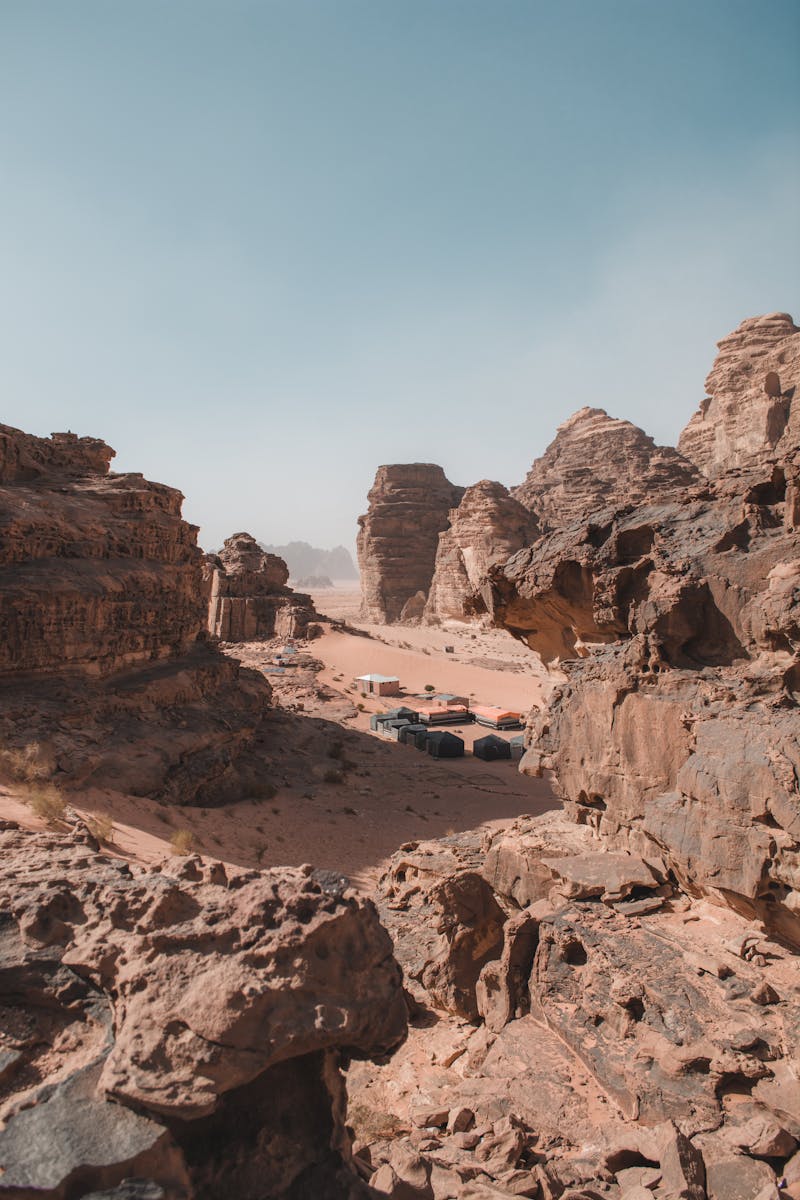
A truly unforgettable culinary immersion awaits in the sculpted landscapes of Wadi Rum, Jordan. Here, the Bedouin tradition offers a dining experience deeply connected to the environment. Travelers can partake in the Zarb experience — a slow-roasted feast where lamb or chicken, marinated with spices and vegetables, is lowered into a buried oven beneath the desert sands.
This is more than a meal; it is a display of ancient desert survival techniques and community. The resulting meat is exceptionally tender and imbued with a smoky, earthy flavor. High-end desert camps in Wadi Rum elevate this tradition, combining the rustic authenticity of Bedouin cooking with the elegance of a luxury retreat under the stars.
Traditional Bedouin meals like Zarb are meant to be eaten communally. Embrace the moment, eat with your hands if offered, and engage in stories around the fire — it's as much about human connection as flavor.
The Philosophy of the Table
While the regional flavors vary, the underlying philosophy of Middle Eastern cuisine remains consistent: food is a means of connection. The Foul (fava bean) breakfast, for instance, a staple across the region, is more than a nutritious start; it is a ritual.
Foul is a testament to the power of simple ingredients, cooked slowly and served generously. Like many Middle Eastern dishes, it is prepared to capture the attention of a room, transforming a simple breakfast into an occasion for storytelling. It is a hearty comfort food — made from fava beans cooked with garlic, lemon juice, and olive oil — that often anchors family gatherings.
For the more adventurous palate, the Levantine dish Fatteh (toasted pita bread layered with chickpeas, yogurt, and toasted pine nuts) represents a sophisticated blend of textures and temperatures, a perfect representation of the region's ability to turn humble ingredients into a luxurious feast.
"In this cradle of civilization, every meal is a conversation, a ritual, and a profound connection to the land."
Across the Middle East, meals are social anchors. Even a simple breakfast can last hours. Whether it's foul or fatteh, take your time. Linger at the table — it's a cultural show of respect and curiosity.
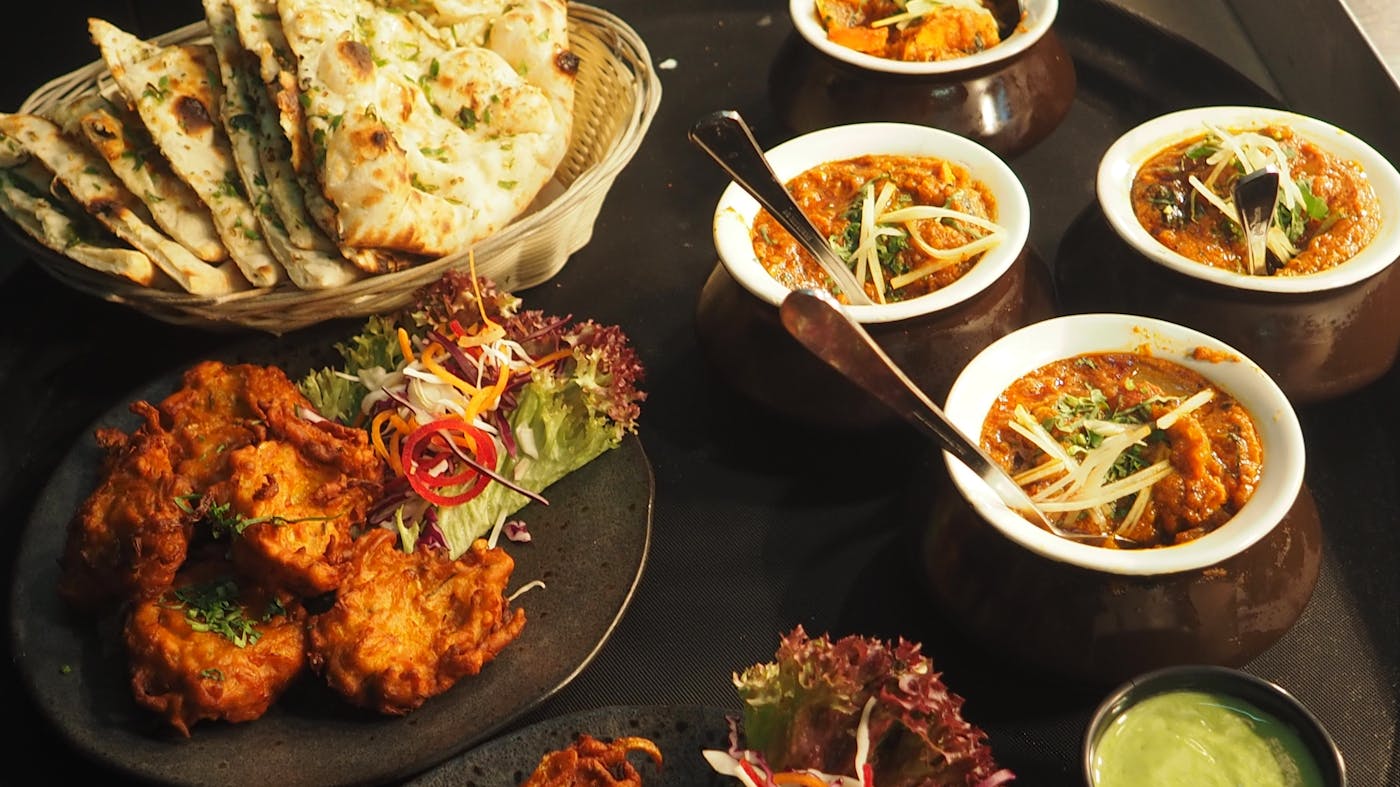
From Street Food to Opulent Dining
The culinary journey through the Middle East reveals a spectrum from ancient, utilitarian traditions to modern opulence.
Consider Manakesh, the versatile flatbread topped with za'atar or cheese, a ubiquitous street food that has found its place on the finest hotel menus. Or Kishik, the fermented yogurt and bulgur wheat porridge, a symbol of mouneh (preservation) that provides a unique, tangy flavor profile now appreciated by gourmands.
Even the desserts reflect this fusion of tradition and luxury. The delicate pastry of Knefe (shredded phyllo dough, cheese, and sugary syrup) or the various fillings of Fatayer (pastries with meat or cheese) offer a rich, decadent finish that speaks to the region's culinary artistry.
The Middle East invites the culinary traveler not just to dine, but to understand. Each dish is a narrative, a connection to ancient wisdom, and a celebration of human generosity. By embracing this approach, a meal becomes more than just satisfying; it becomes a profoundly memorable cultural experience.
Middle Eastern cuisines are full of hidden gems — like kishik, molokhia, or mahlab. Challenge yourself to try one new ingredient per region. You may uncover a new favorite and gain a deeper understanding of traditional food preservation or farming techniques.
Capture not just what you ate, but where you were, who you met, and how it made you feel. These meals often become more than food — they become memories that root you in the shared human experience of nourishment and story.