









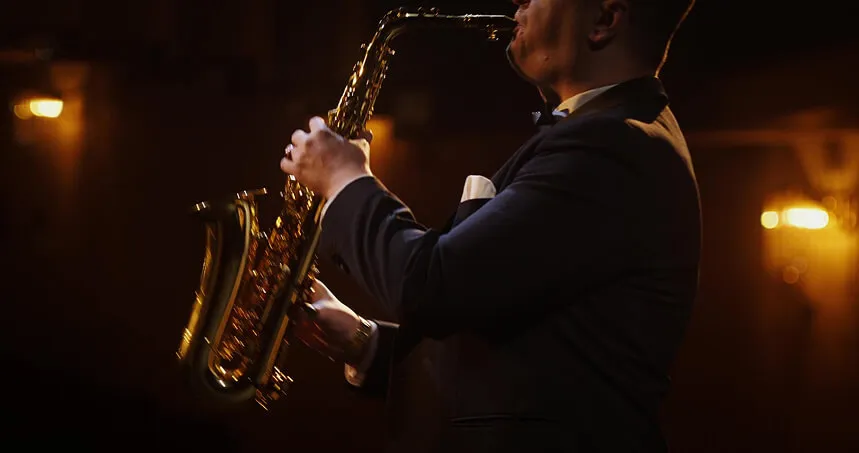
Every year, right around mid-February, we hear the same quiet skepticism: Is Valentine’s Day still relevant? Has love become too commercial, too curated, too predictable? And yet—despite the eye rolls, despite the clichés—something keeps pulling us back. Not the flowers. Not the prix-fixe menus. Something older. Something deeper.
Music.
Long before Valentine’s Day had a date on the calendar, love was already being sung about. Not as spectacle, but as sacrifice, as patience, as devotion. Across cultures, music became the place where people stored what they couldn’t safely say out loud—longing, loyalty, heartbreak, hope. It was where love could exist honestly, even when circumstances were complicated.
That’s why love in music never feels shallow. It’s lived-in. It carries history.
Even in the royal courts of classical Europe, love was given its own noble language. In the aching piano lines of Rachmaninov, love was grand and turbulent, full of longing and emotional gravity. In Joaquín Rodrigo’s compositions, particularly his Concierto de Aranjuez, love sounded like memory itself, tender, restrained, and luminous with loss. These masters did not decorate love; they dignified it. Their music gave emotion architecture, turning feeling into something lasting, something worthy of reverence.
In the Middle East and across the region, love has often meant endurance. Families separated by borders. Stories shaped by migration. Feelings held quietly out of respect, tradition, or necessity. When words weren’t enough, or weren’t allowed, music stepped in.
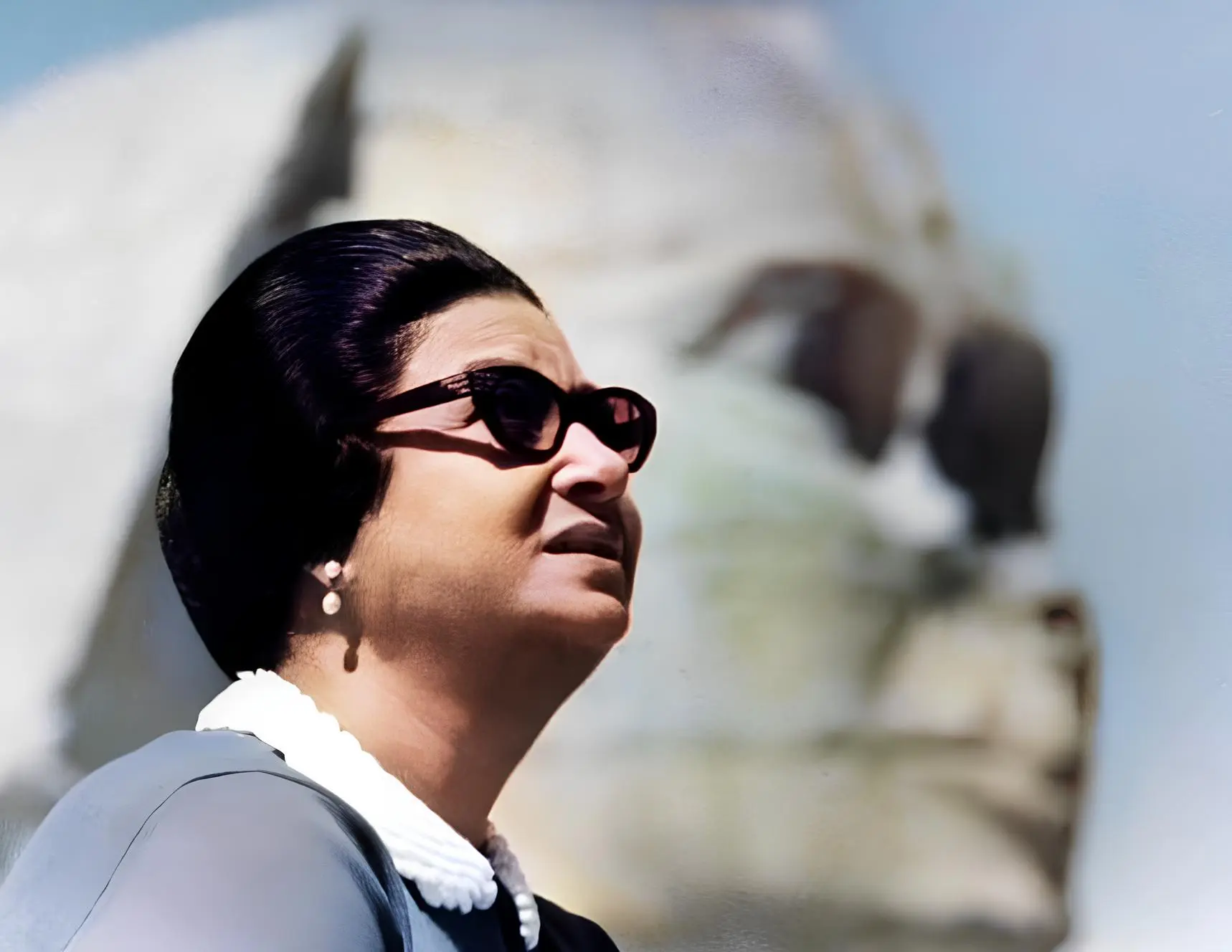
The voice of Umm Kulthum sang about love but it also elevated it, stretched it, made it sacred. Often called The Star of the East, she remains one of the most powerful and influential cultural figures in the Arab world. Her songs could bring cities to a standstill, her monthly radio performances once gathering entire households around a single voice. Decades later, her music still defines what emotional depth sounds like in the region—her lyrics carrying devotion, heartbreak, and dignity in equal measure. Her songs were emotional events, shared collectively, felt deeply, remembered for decades.You can experience this timeless devotion through “Enta Omri” here.
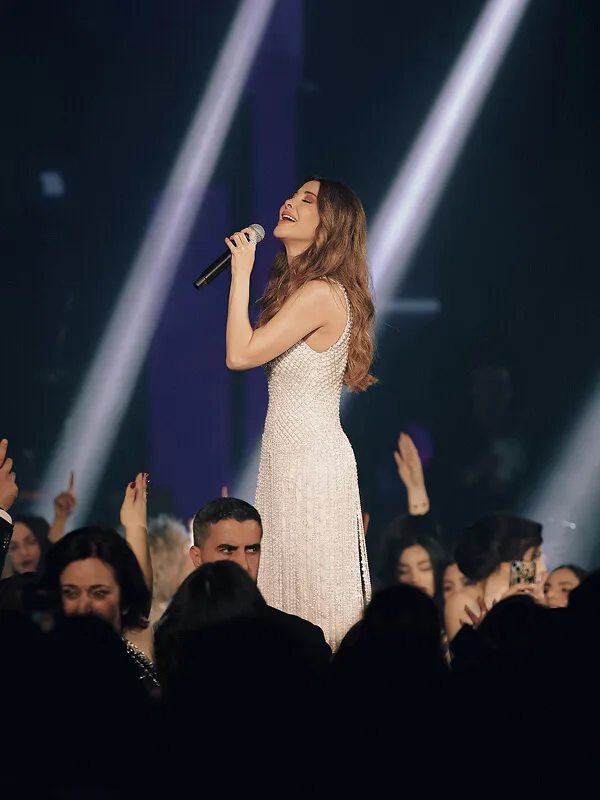
Fast forward, and love sounds different, but the intention remains. Artists like Nancy Ajram brought intimacy back into focus, love that feels personal, conversational, close to everyday life. Her modern voice reflects how love is lived today—lighter, closer, and woven into daily life.
Globally, voices like Whitney Houston reminded us that love can be powerful without being restrained, emotional without apology. Her timeless declaration of devotion continues to echo across cultures. Different cultures, different eras, same truth: music gives love permission to be felt fully.
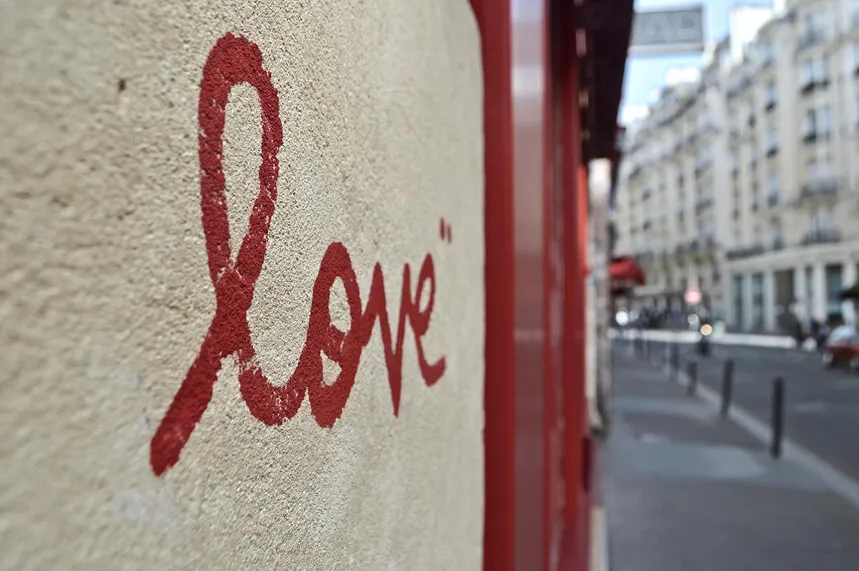
But Valentine’s Day today isn’t only about romance. Culturally, love has expanded. It shows up in empathy. In care. In choosing softness in a world that often rewards detachment. It lives in how we treat our elders, how we show up for causes that matter, how we take responsibility for our own well-being so we don’t pour from an empty place.
Self-love isn’t a trend now, it’s a prerequisite. Wellness is love. Rest is love. Setting boundaries is love. So is gifting someone a piece of jewelry with meaning. So is cooking a meal and staying a little longer at the table. So is appreciation, spoken clearly, without irony.
These are all languages of love. Music is just one of them, but it may be the most universal.
It teaches empathy without instruction. It reminds us that heartbreak is survivable. That passion is worth the risk. That devotion doesn’t always need an audience. And that loving others starts with understanding ourselves.
So maybe Valentine’s Day still matters, not because it tells us how to love, but because it asks us why we love. And music, in all its forms, continues to answer that question better than anything else ever could.
We share this story as a dedication from ALO, produced by our publisher, to all who choose to celebrate this day, through romance, through kindness, through memory, and through love in all its forms.