





Under the golden sun of the ancient world, a woman dips her fingers into a bowl of crushed leaves, transforming nature's gift into art. The scent is earthy, rich with history. As the paste glides over her skin, patterns emerge — delicate, intricate, mesmerizing. It is not just adornment; it is a story. A tradition. A blessing.
This is henna — an ancient practice that has transcended borders, faiths, and centuries, binding humanity in an intricate dance of beauty and meaning.
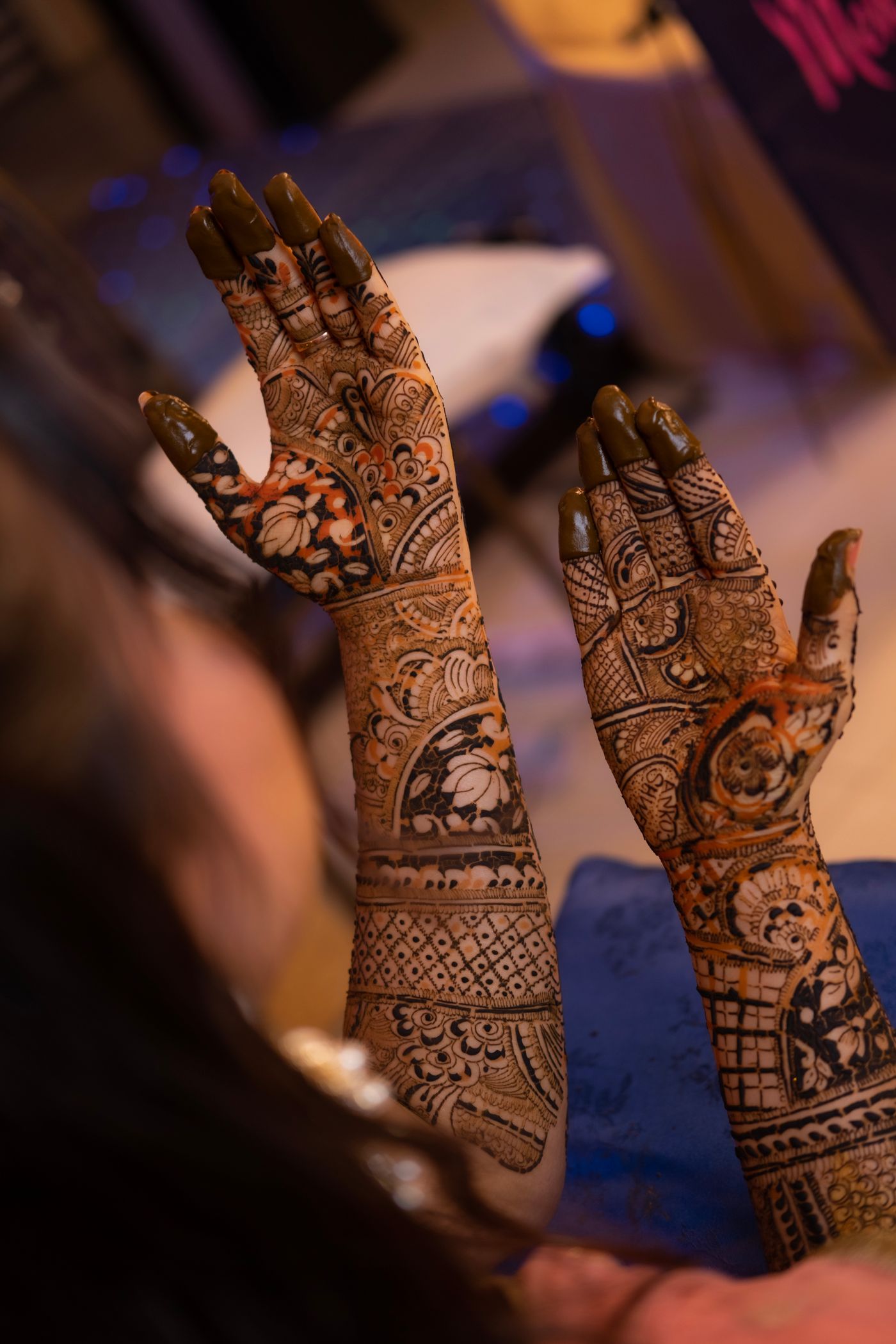
Henna — an art that adorns and endures
The Origins: A Gift from Nature
Henna, known botanically as Lawsonia inermis, is a flowering plant native to North Africa, the Middle East, and South Asia. Its deep reddish-orange stain has been cherished for over 5,000 years — a natural dye used by pharaohs and poets, brides and warriors. It has colored the fingers of queens and the palms of farmers, each application a symbol of love, celebration, or protection.
In ancient Egypt, Cleopatra is said to have used henna to enhance her beauty, while mummies were adorned with henna-stained nails to guide them in the afterlife. Across the deserts of North Africa, the Berber people painted their hands and feet with henna, believing it warded off evil spirits. In South Asia, mehndi — a form of henna body art — flourished, becoming an essential part of wedding rituals and festivals.
But henna is not just for body art — it has long been revered for its ability to enhance and protect hair.
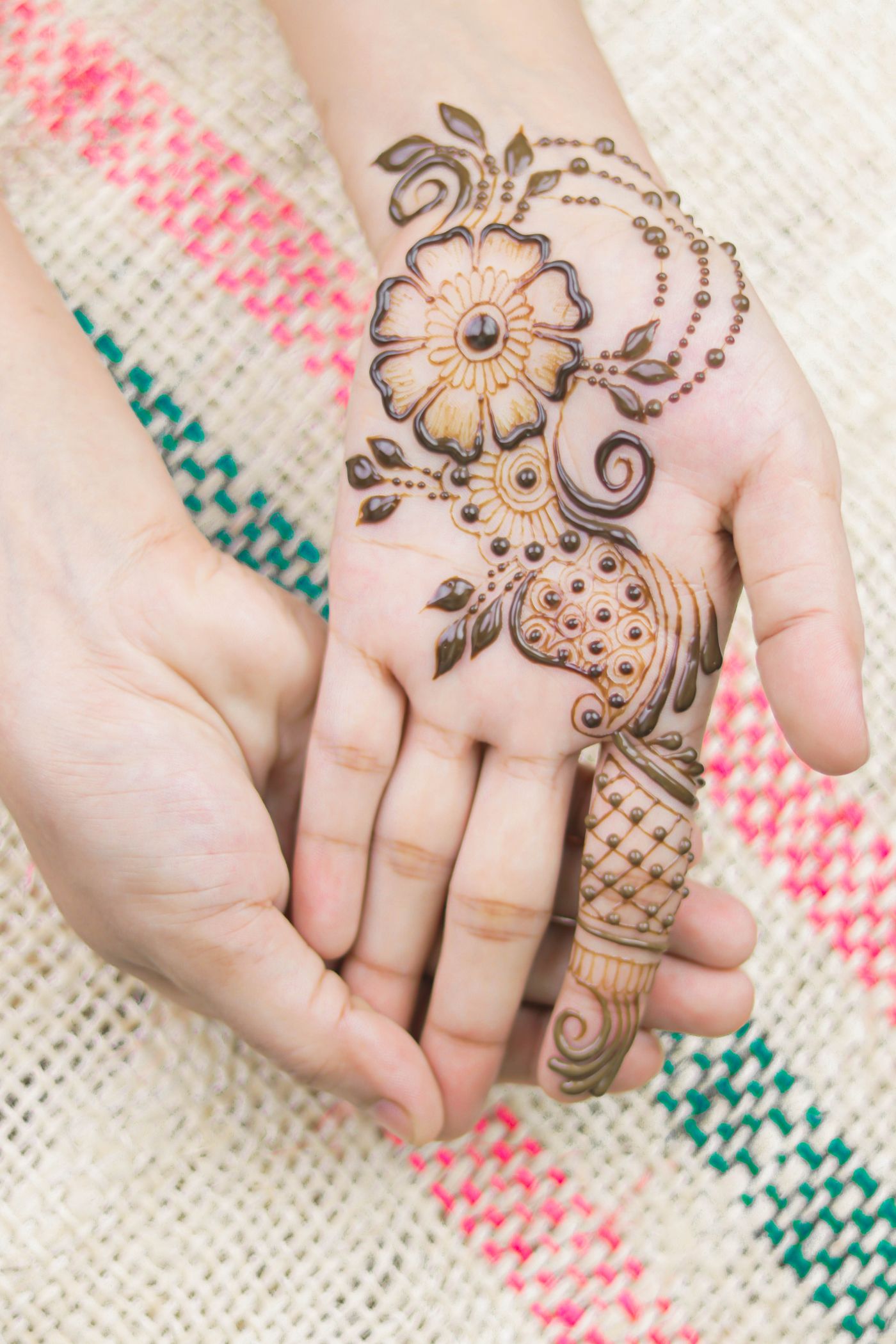
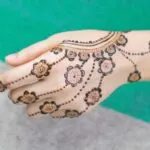
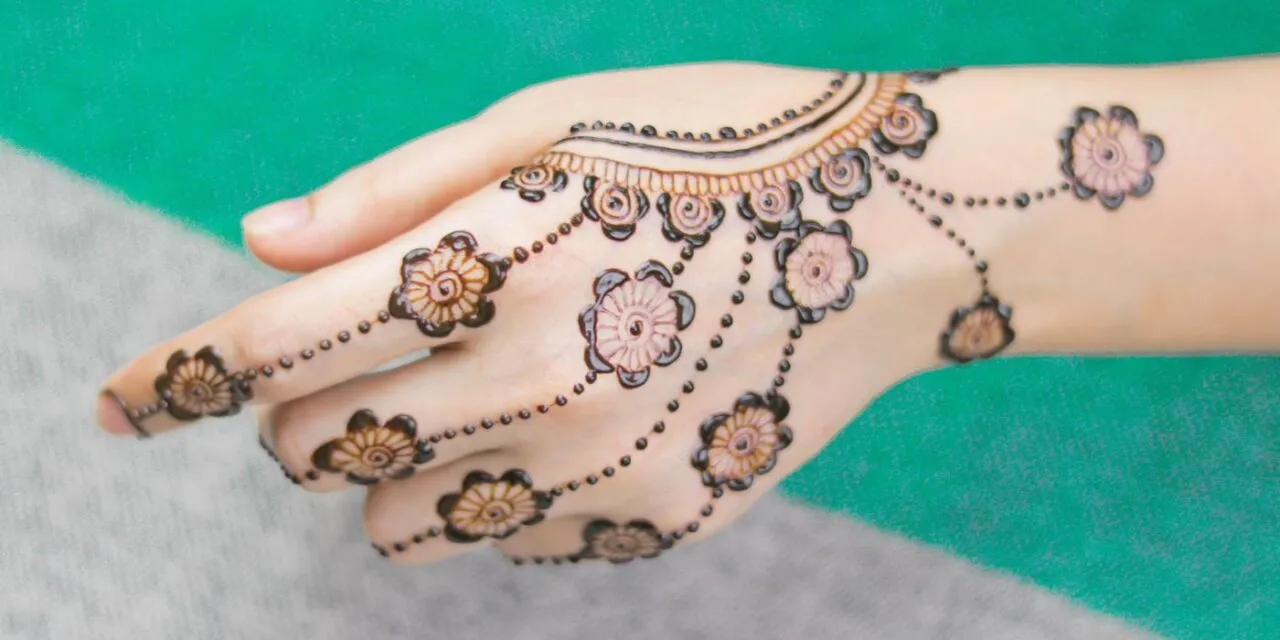
Five thousand years of tradition — henna on hands
"It has colored the fingers of queens and the palms of farmers — each application a symbol of love, celebration, or protection."
Henna for Hair: A Tradition of Strength and Beauty
Beyond its role in body decoration, henna has been used for centuries to dye and condition hair. Many Middle Eastern, North African, and South Asian cultures still turn to henna as a natural remedy for hair health. Packed with antifungal and antibacterial properties, it strengthens hair follicles, promotes growth, and leaves a natural reddish tint.
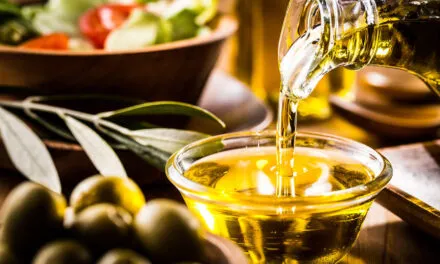
In countries like Lebanon, Palestine, and Jordan, grandmothers still pass down the tradition of henna hair treatments to younger generations, teaching them how to mix it with natural ingredients like olive oil, yogurt, and tea for enhanced conditioning. Some women, particularly in rural areas, continue to apply henna not only for its color but for its cooling properties, believing it helps relieve headaches and protects against harsh climates.
In Armenia, henna was historically used to give hair a deep auburn hue, with some records suggesting that noblewomen and artists embraced the dye for both aesthetic and symbolic reasons. Even today, natural henna hair dye remains popular as a chemical-free alternative, blending beauty with tradition.
Henna is packed with antifungal and antibacterial properties — it strengthens hair follicles, promotes growth, and leaves a natural reddish tint, making it one of the world's oldest beauty remedies still in active use today.
A Ceremony of Symbols: Henna Traditions Around the World
Henna is more than just art; it is a sacred ritual, a language woven in curves and swirls, dots and floral patterns, each design carrying deep significance. Across the world, henna ceremonies are infused with cultural meaning, uniting families and marking life's most precious moments.
India & Pakistan: The Mehndi Night
In South Asian weddings, the mehndi ceremony is a vibrant pre-wedding festivity filled with music, dance, and laughter. Brides sit adorned in bright colors as skilled artists create intricate patterns on their hands and feet, believed to bring good fortune and prosperity. The deeper the henna stain, the stronger the bond between husband and wife — a whisper from the ancestors blessing the union.
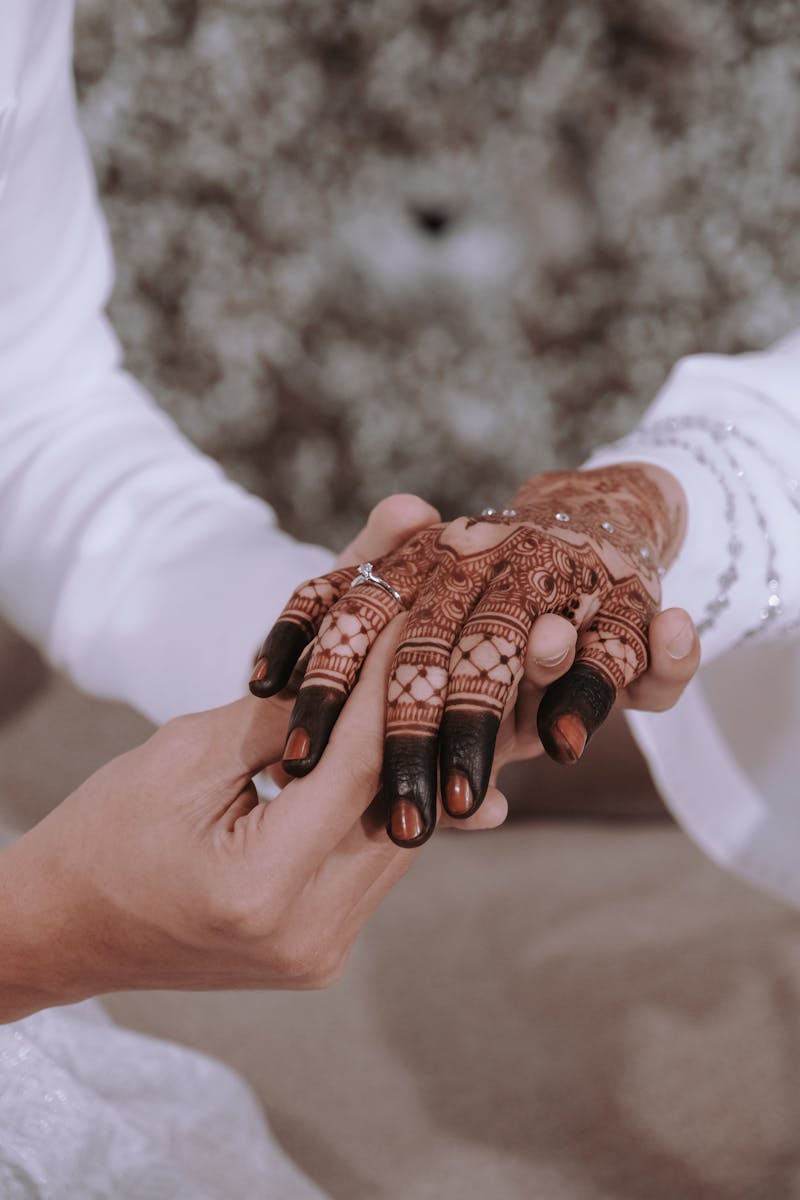
The mehndi night — a union sealed in henna and celebration
Morocco: The Bridal Blessing
In Morocco, henna ceremonies are steeped in protection and spirituality. Before a wedding, a bride's hands and feet are painted with designs that shield her from misfortune and attract happiness. Accompanied by the beating of drums and the scent of incense, the ritual is a passage into a new chapter of life, guided by generations of wisdom.
Yemen: A Rite of Passage
Among Yemeni Jewish communities, henna ceremonies hold profound cultural significance. The bride, draped in traditional garments, is surrounded by family as elders apply henna to her hands, symbolizing joy and protection from the evil eye. It is not just an ornamentation but a rite of passage, marking her transformation from daughter to wife, from girl to woman.
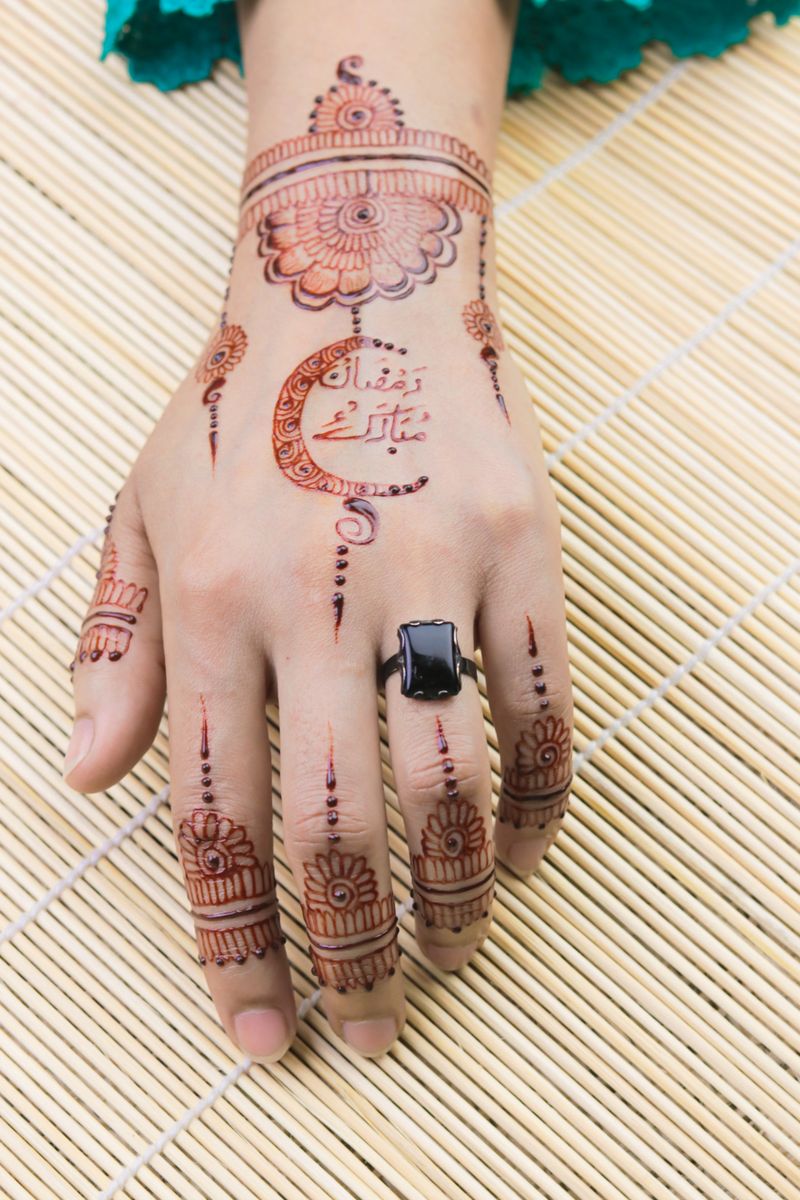
Henna as community — a thread that binds generations
Palestine, Jordan & Lebanon: A Cultural Thread
In Palestinian, Jordanian, and Lebanese traditions, henna is not only a bridal practice but also a symbol of community. Palestinian brides often have their hands and feet decorated in henna before their wedding day, accompanied by singing and traditional folk dances. The designs may feature olive branches — a nod to Palestinian heritage, symbolizing peace and endurance.
Jordanian women, especially in rural areas, use henna not only in weddings but also in healing rituals. In Lebanon, henna celebrations have evolved over time, often blending modern influences with historic customs, preserving the tradition in a way that aligns with contemporary wedding customs.
The Middle East & North Africa: A Festive Tradition
From Egypt to Tunisia, henna is an integral part of celebrations beyond weddings. It appears during Eid, childbirth ceremonies, and even personal milestones. In Sudan, elaborate henna rituals are performed for both brides and grooms, emphasizing unity and joy.
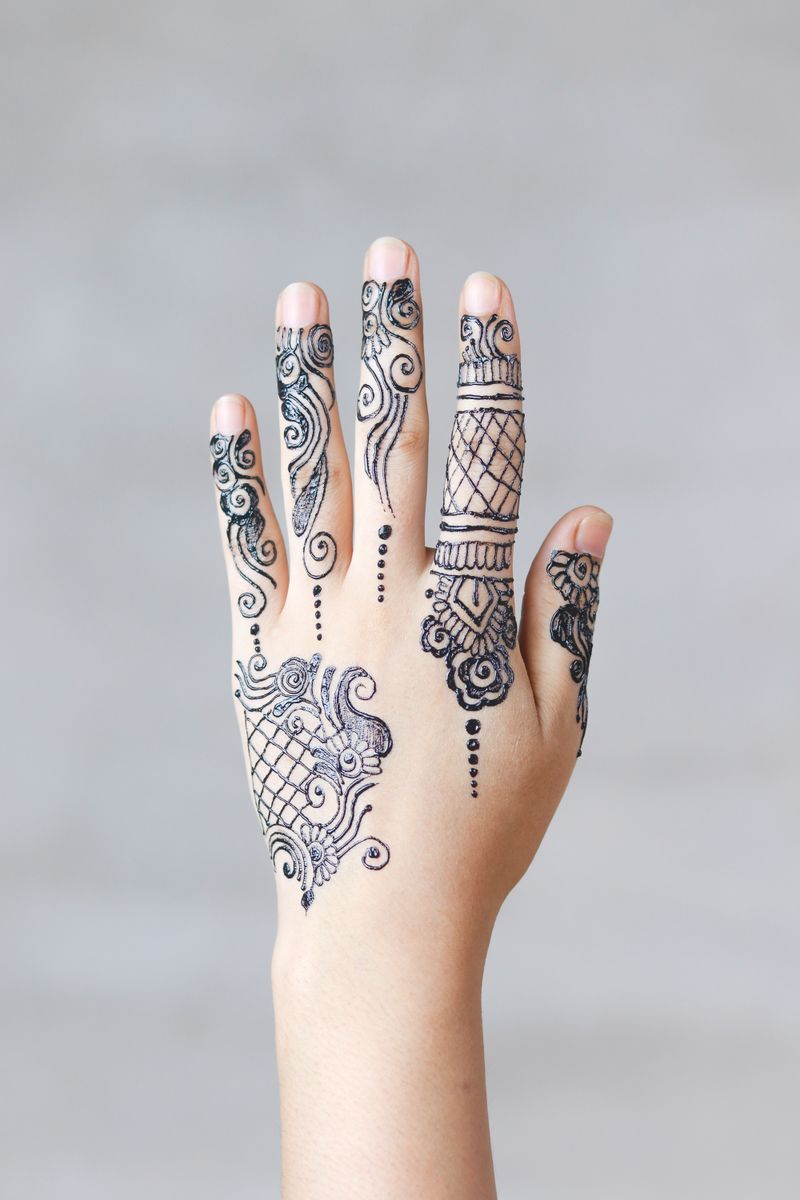
Arabic mehndi — bold geometry, spiritual depth
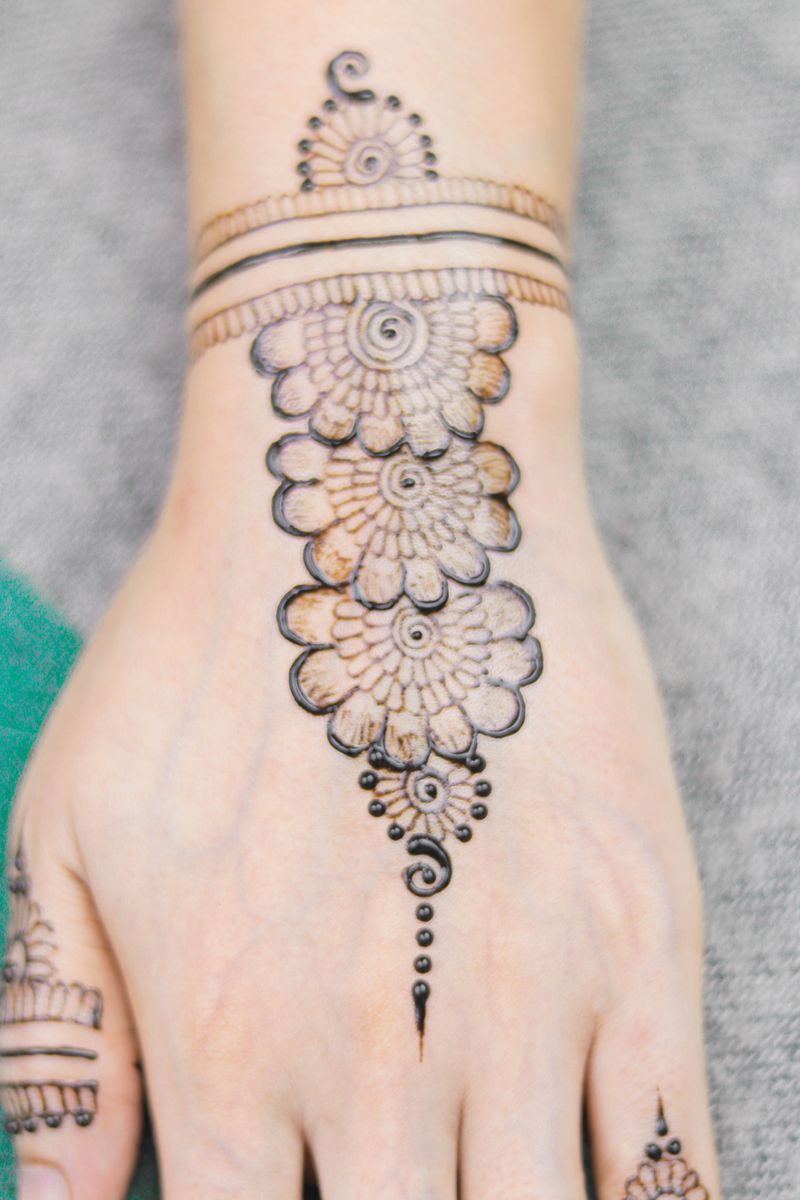
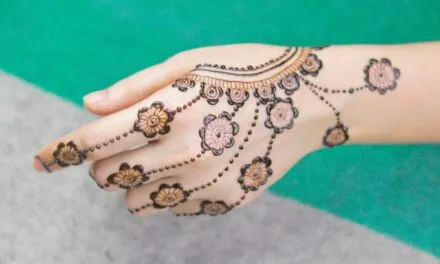
Floral designs — nature's beauty, rendered in paste
Henna in Body Art: From Tradition to Modern Expression
While henna has long been a staple of cultural rituals, it has also found its way into modern body art. In recent decades, henna has been embraced as a natural alternative to tattoos, used to create intricate, temporary designs that fade over time.
Many people in Western countries have adopted henna for aesthetic expression, often decorating their hands and arms with patterns inspired by Middle Eastern and South Asian motifs. Henna tattoos are also seen at music festivals, yoga retreats, and bohemian gatherings, where the art form is appreciated for its beauty and non-permanent nature.
However, in some cultures, henna tattoos hold deeper spiritual meaning. Armenian women, for example, have been known to use henna designs that incorporate symbols of eternity, protection, and family. Similarly, some Middle Eastern communities still use henna to draw sacred symbols that represent fertility, happiness, and warding off negative energy.
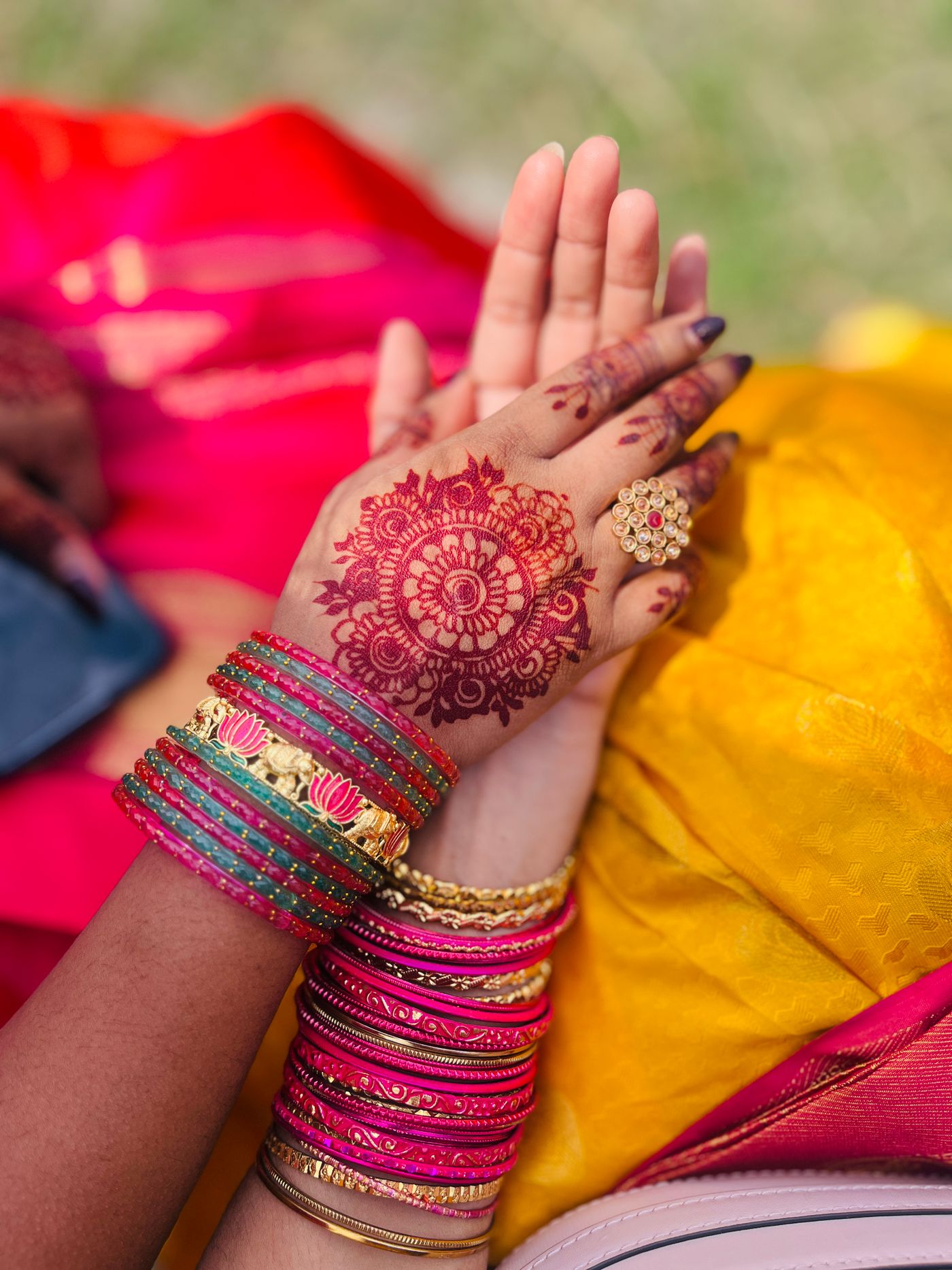
Henna as modern expression — temporary in form, permanent in meaning
The Magic in the Stain
Henna is ephemeral, a temporary adornment that fades with time — yet its meaning lingers. It is a reminder of joy, of heritage, of the timeless beauty that connects us all. Whether traced onto the hands of a South Asian bride, a North African mother, or an artist in a New York studio, henna remains a testament to the power of tradition, art, and human connection.
The stain may disappear, but the stories remain — etched into history, waiting to be told again.
"The stain may disappear, but the stories remain — etched into history, waiting to be told again."